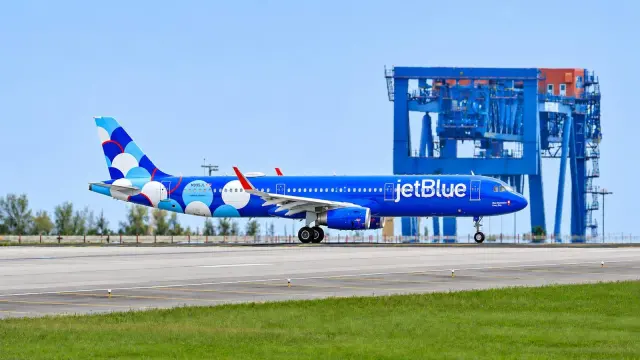
It takes one second to fix and it makes a real difference: putting your tray table up before the plane moves. A JetBlue communications manager has pointed out it's not just courtesy, either — US FAA rules require tray tables to be stowed before an aircraft moves on the tarmac.
The reason is safety, not tidiness. Boeing's 2024 Statistical Summary found that roughly 20% of fatal commercial jet accidents worldwide between 2015 and 2024 occurred during takeoff and the initial climb. That's why crew secure everything before those phases — carts, movie screens, seat backs — and why a loose plastic tray flapping around during jostling isn't as harmless as it looks.
There's a second, less obvious factor: the 90-second rule. The FAA expects a full aircraft to be evacuated within a minute and a half. If an emergency happens and your tray is down, someone — you or a crew member — has to spend precious seconds flipping it up before anyone behind you can get past. Scaled across a packed cabin, those fractions of a second matter enormously. The same logic applies to upright seats and clear aisles.
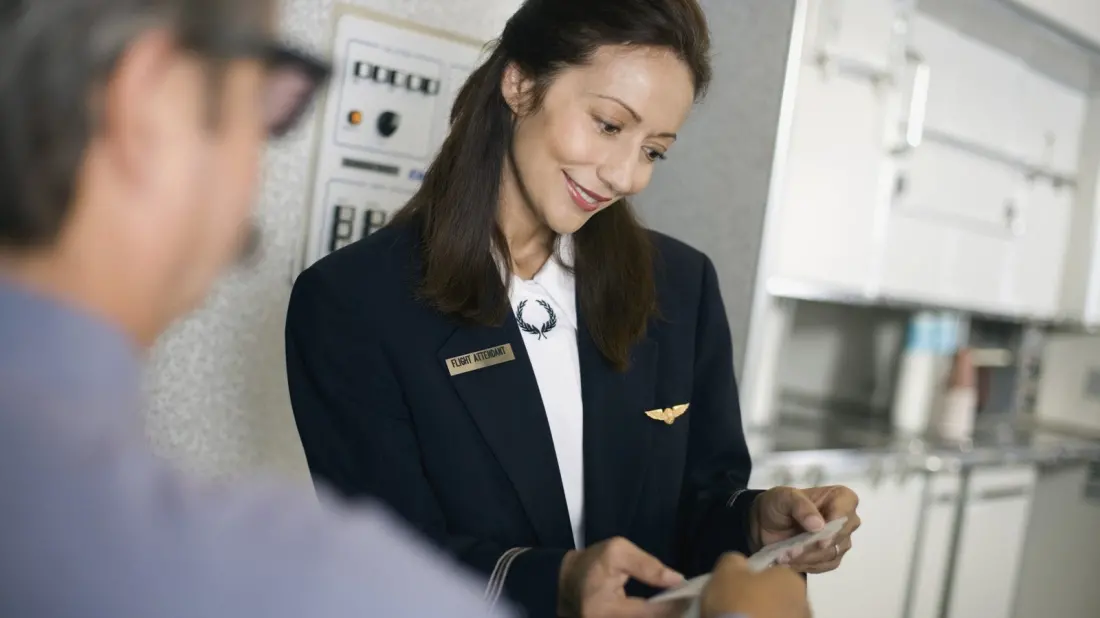
Flight attendants notice the passengers who don't do this immediately. So the etiquette is simple: find your seat, sit down, stow your tray, leave the window shade alone, and resist reclining for a pre-takeoff nap. If you genuinely need the tray — a medical reason, an unstable drink, whatever — it can wait until the seatbelt sign goes off at cruising altitude. The length of the flight is irrelevant; a one-hour hop has the same takeoff risks as a 14-hour long-haul.
For travellers, this is one of those small habits that buys goodwill with crew and, more importantly, keeps the cabin evacuation-ready. Do it before the doors close and you'll never have to think about it again.