El Salvador is the smallest country on the Central American mainland, which works in its favour: cities are close together, so you can string several into one trip without long drives. A new guide rounds up the places that matter, from the busy capital to quiet highland towns built on pottery and coffee.
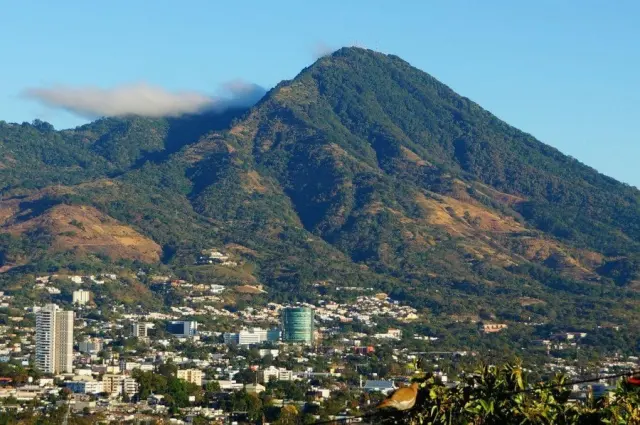
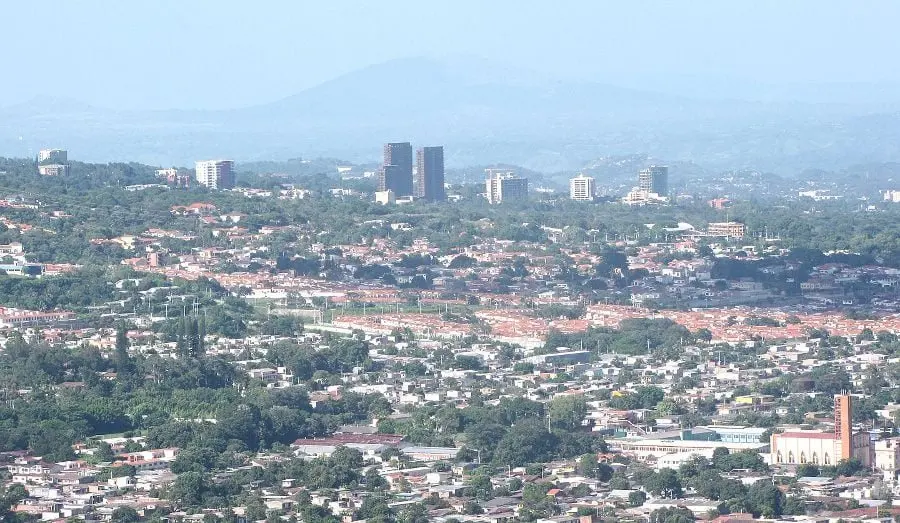
San Salvador is the obvious base. The capital packs a historic centre with the Metropolitan Cathedral, National Palace, National Theater and Plaza Libertad, plus museums and malls, and it doubles as the country's transport hub. Two easy day trips stand out: El Boquerón National Park on the rim of the San Salvador Volcano, and Joya de Cerén, a Maya farming village preserved in volcanic ash and often called the region's answer to Pompeii.
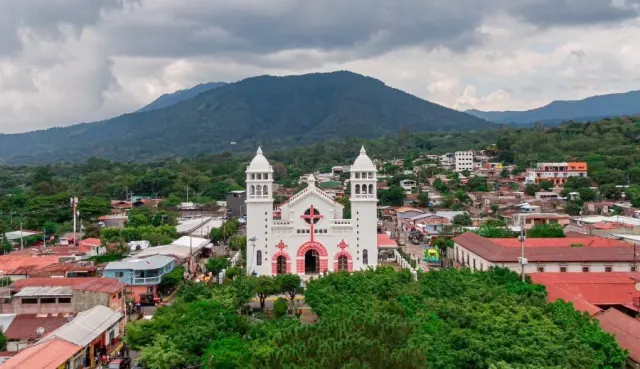
Head west and Santa Ana is the pick for architecture. Its Gothic Revival cathedral anchors a plaza shared with the National Theater and Municipal Palace, and the city sits within reach of Santa Ana Volcano, Cerro Verde National Park, Lake Coatepeque and the Tazumal ruins at Chalchuapa. Nearby Sonsonate is the practical jumping-off point for the Ruta de las Flores, the mountain road past Nahuizalco, Juayúa and Izalco, known for coffee farms, crafts and weekend food festivals, with Pacific beaches at Los Cóbanos not far away. Ahuachapán adds a quirkier draw: Los Ausoles, a geothermal field of steam vents and bubbling mud pools, plus access to the pretty towns of Ataco and Apaneca.
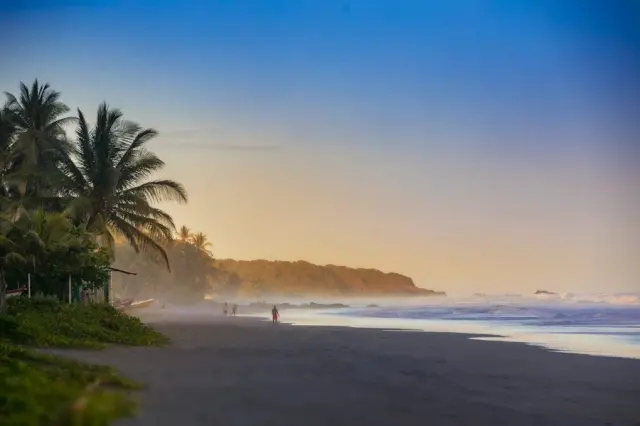
The east gets less international traffic but has its own pull. San Miguel is the region's commercial hub, best known for its cathedral basilica and a carnival that draws crowds from across the country; it's the gateway to Chaparrastique Volcano and the beaches of El Cuco and Las Flores. La Unión sits on the Gulf of Fonseca, serving fresh seafood and boat trips to the gulf's islands, with Playa Las Tunas and Conchagua Volcano nearby. Usulután is quieter still but puts you close to the mangroves and wildlife of Jiquilisco Bay, and to the crater lake at Alegría.
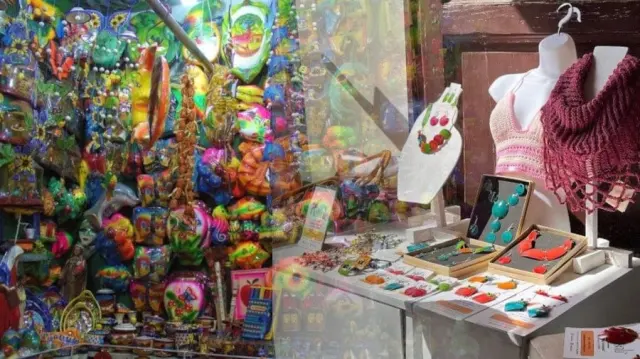
For something slower, skip the big centres. Suchitoto technically holds city status but feels like a small town, with cobblestones and colonial buildings. San Vicente has a famous clock tower and views over Chinchontepec volcano. In the north, Chalatenango leads towards cool highlands around El Pital, while Sensuntepeque — the "city of 400 hills" — is a relaxed base for Cabañas. Ilobasco is the artisan stop: generations of potters turn out clay figurines and the tiny miniature scenes known as sorpresas.
Why it matters: El Salvador rewards travellers who don't mind making their own route. Short distances mean you can pair a volcano hike with a beach afternoon, or a colonial plaza with a coffee finca, in ways that take weeks elsewhere in Central America. It suits independent travellers, food-and-craft types, and anyone who liked Guatemala or Colombia before the crowds.