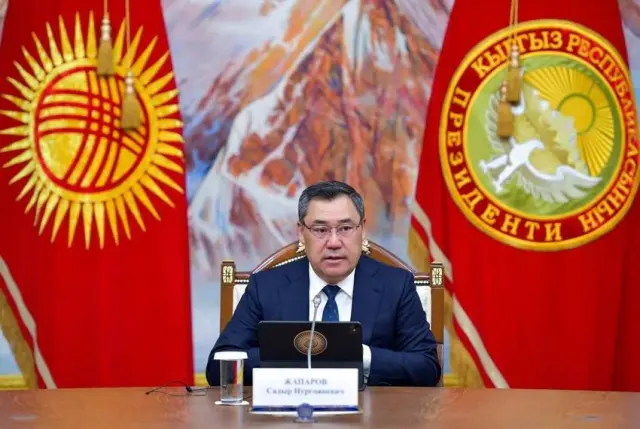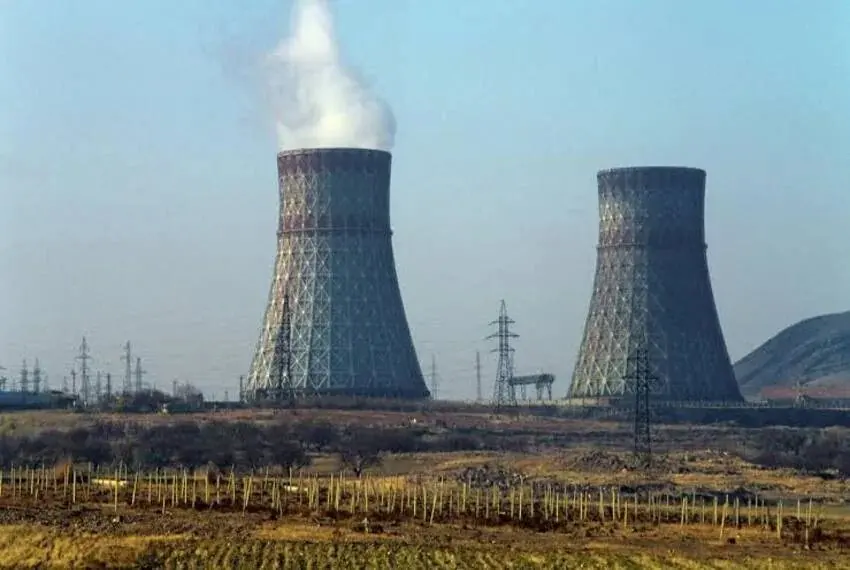
Kyrgyzstan has no immediate plans to break ground on a nuclear power station. Energy Minister Altynbek Rysbekov told parliament that active work on the project will only start once the country has secured full public consent — a notable condition in a region where energy mega-projects often move ahead regardless of local opinion.
The debate came after MPs argued the mountainous nation risks being left behind. One of them, Ulan Primov, made the case bluntly: energy-hungry facilities are being built, the future belongs to nuclear power, and Kyrgyzstan should push forward rather than trail its Central Asian neighbours. Rysbekov agreed that nuclear energy is becoming a necessity but framed the timeline as measured rather than rushed.
Some groundwork has already started. In 2024, two groups of Kyrgyz specialists travelled abroad to study how nuclear plants are run, and the ministry is looking closely at international experience. The minister was candid about the skills gap: the country has virtually no nuclear experts of its own, so plans are being drawn up to open faculties and departments at technical universities. He pointed out that neighbouring countries have spent 10 to 15 years building research capacity and are only now moving towards construction.
There is also outside interest. Russia's state nuclear corporation Rosatom has said it is ready to build small- and medium-capacity reactors in Kyrgyzstan, a format often pitched to countries with limited grids and budgets.
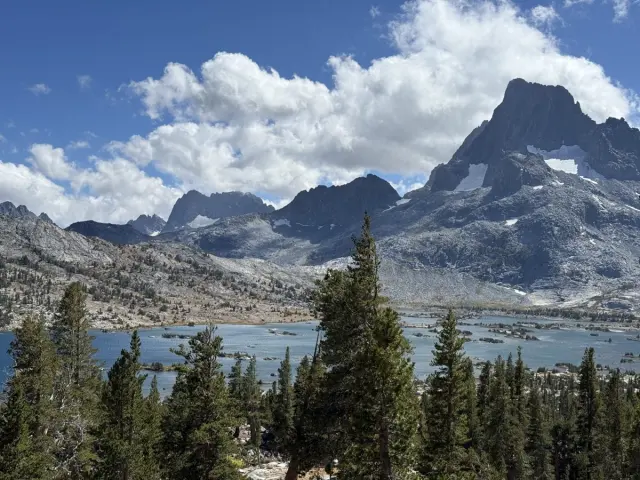
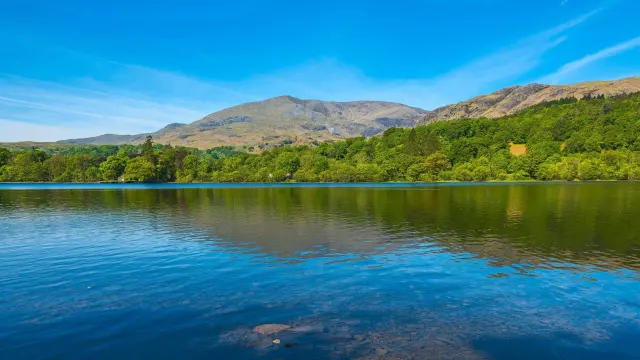
For travellers, this is context rather than itinerary. Kyrgyzstan remains one of Central Asia's easiest countries to fall in love with — horse-trek routes around Song-Kul, the alpine trails of the Ala-Too range, and Bishkek's lively bazaars are the draw, not power infrastructure. But energy politics shape the country: chronic electricity shortages and aging Soviet-era hydro plants are an everyday reality, and how Kyrgyzstan secures future power will influence both costs and development in the remoter valleys that trekkers love. Any large-scale construction in a country famous for its unspoiled mountains would be worth watching closely. For now, though, nothing is being built — the minister's message was consultation first, concrete later, so travellers can expect the Kyrgyzstan they know for some time yet.
Reporting by 24.kg