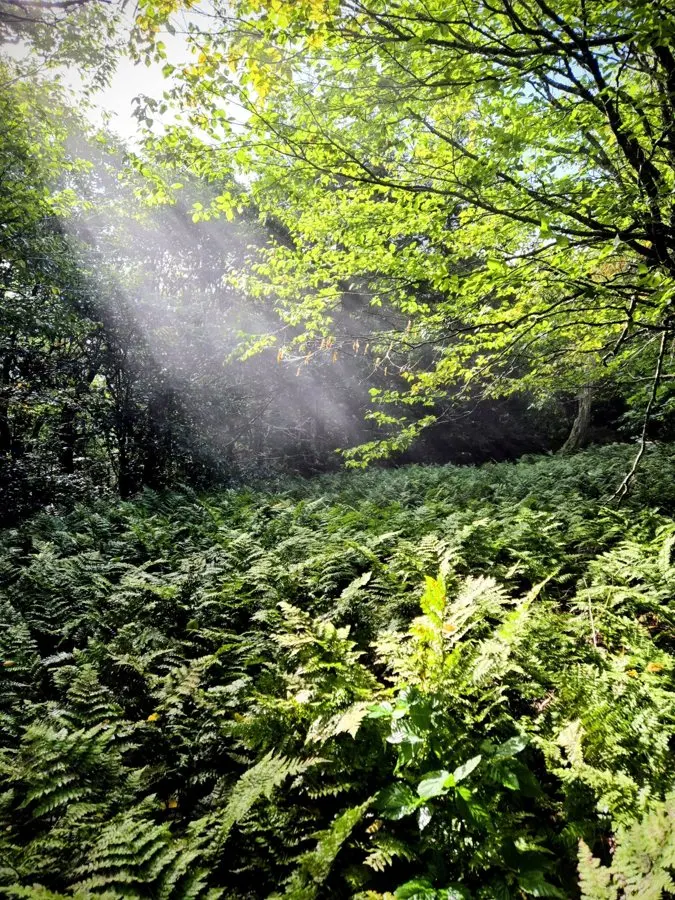
Ten miles on the Long Trail can now take the effort that thirteen did three weeks ago. That's the reality check from a pair of thru-hikers logging day 21 of their Vermont trek, a stretch between Sucker Brook Shelter and Skyline Lodge that summed up everything the trail does well and badly.
The previous night was brutal. A storm rolled over Sucker Brook Shelter with howling wind and driving rain, and by 6:47 pm everyone had retreated into their quilts in the dark. The writer described lying awake unable to tell trees from sky, and at one point venturing into the pitch blackness with only a red headlamp before giving up and trusting her hiking partner's tent to hold. By morning, the sun returned and everyone was intact.
Then came the wet trudge. The Long Trail's maintenance is noticeably lighter than the Appalachian Trail's, which means a narrow path threading through untrimmed bushes that soak you from the waist down. Hikers call it the carwash. Wood nettle, trekking-pole height and precisely positioned to sting hands, adds spice to the whole affair. The day's route packed 3,481 feet of ascent and 2,451 of descent into 9.4 miles.
Signs of moose were everywhere: churned mud and generous droppings marking the trail as their preferred highway. The terrain demanded some gymnastics too. One blowdown stack, three trees layered too low to crawl under and too tall to climb, required the writer to fold herself through a gap, briefly getting stuck and having to unclip her sternum strap to escape. Her 77-year-old trail companion, fittingly nicknamed The Historian, took his own tumble and got back up impressively.
The reward was Skyline Lodge, one of the Long Trail's most loved shelters, sitting above a lake famous for its sunrises. The trio arrived with daylight to spare, found room for three, and warmed up with homemade chili as temperatures dropped sharply behind the storm front. One catch: the water source had gone dry despite the rain, so dinner and breakfast were made on precisely rationed water.
For anyone eyeing the Long Trail, the takeaways are honest ones. Expect rougher tread and more overgrowth than the AT, elevation change that punishes long days, and shelters that can fill up, so arrive early or carry a tent. Water sources can be unreliable even after rain, so treat capacity planning as part of your day. And pack a sense of humour about logs, nettles and mud. The trail is only 272 miles long but punches well above its weight for scenery and challenge.