El Salvador is compact, green and surprisingly wet during its rainy season — yet most of its rivers are in poor shape. The environment ministry, MARN, estimated in its 2018 Water Quality Index that around 80% of the country's surface water bodies were contaminated. For visitors, that doesn't mean skipping the country, but it does explain why you should think twice before swimming in urban rivers or drinking anything that hasn't been treated.
The main culprit is untreated sewage. A 2019 MARN report, drawing on the LATINOSAN sanitation data, found only about 7% of the country's wastewater was actually treated before being discharged. In a country with dense towns and limited sewer networks, that means household waste, detergents and bacteria flow straight into streams — the Acelhuate River, which drains most of San Salvador's metro area, is the textbook case, with one 2011 study attributing roughly 80% of its metropolitan wastewater load to households.
Farming and industry add to the load. Fertilisers, pesticides and sediment wash off fields during heavy rains, triggering algae blooms that suffocate fish, while some factories still release untreated chemical wastewater. Then there's rubbish: plastic bottles and household trash clog drainage ditches and riverbanks, and every big downpour pushes it further downstream. MARN's SOS Ríos Limpios programme has been installing floating barriers and running river clean-ups to tackle exactly this.
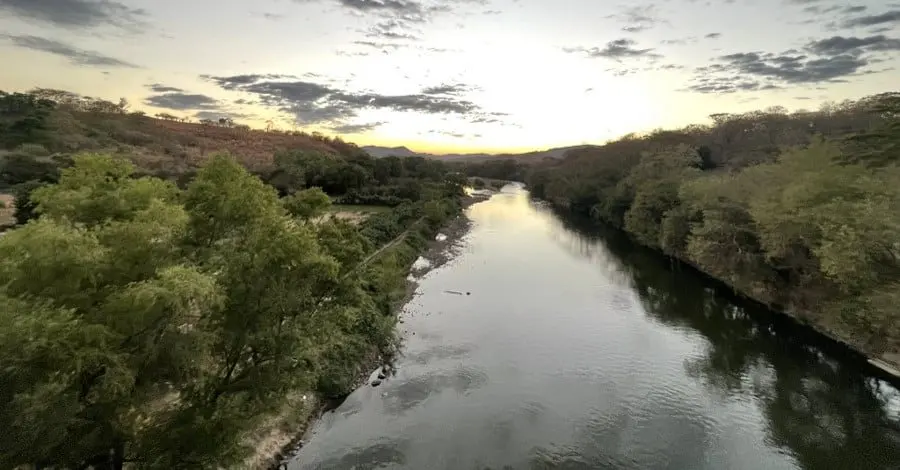
The river that matters most is the Lempa. It generates hydropower, irrigates farmland and supplies communities across the country, and it feeds Lake Suchitlán — the reservoir behind the Cerrón Grande dam and a designated Ramsar wetland. Nutrient pollution and sediment are disrupting that ecosystem, and because the Lempa crosses borders, fixing it requires cooperation with Guatemala and Honduras too.
Why should a traveller care? Practical reasons first: stick to bottled or filtered water, be cautious with ice in rural areas, and choose tour operators that avoid polluting riverside spots. The health risks — gastrointestinal illness from contaminated water — fall hardest on children and older adults, but visitors with sensitive stomachs shouldn't take chances either. On the flip side, some of the country's nicest escapes sit near these waterways: the colonial town of Suchitoto overlooks Lake Suchitlán, and responsible tourism there supports the communities pushing for cleaner rivers.
There's been progress on paper. The General Water Resources Law, in force since July 2022, recognises safe water and sanitation as fundamental rights, and the Salvadoran Water Authority (ASA) now handles permits, monitoring and discharge rules. Turning legislation into clean rivers, though, will take years of investment in treatment plants, sewers and enforcement — and Salvadoran communities are living with that gap in the meantime.
If you're heading to El Salvador for its beaches, volcanoes and surf towns, go — just be aware that its freshwater systems are fragile, and treat rivers and lakes with respect rather than as swimming holes. Travelling thoughtfully here genuinely supports the clean-up effort.