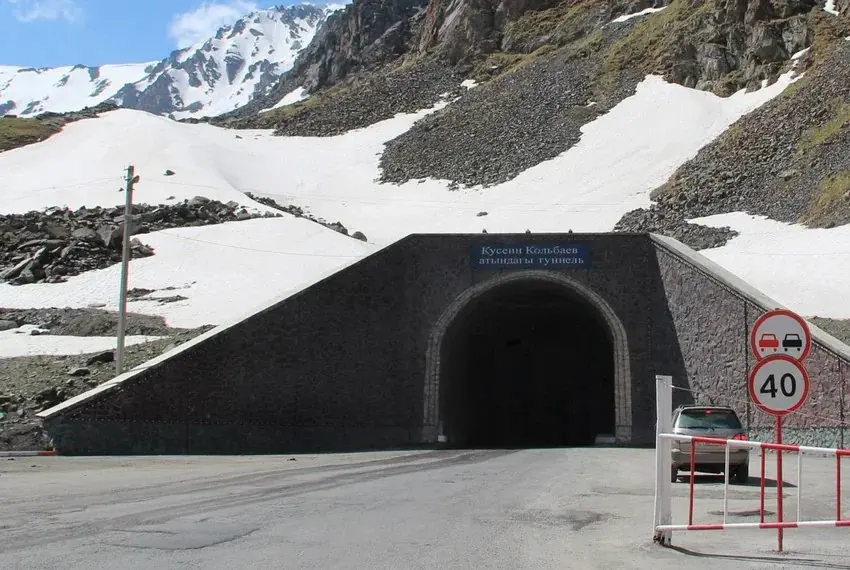
Kyrgyzstan's President Sadyr Japarov confirmed on 8 November that the government is weighing up plans for a second tunnel at Too-Ashuu Pass, the main high-mountain bottleneck on the road from the capital Bishkek toward the Suusamyr Valley, Osh and the country's south. Speaking at a meeting with residents of Kara-Balta, Zhaiyl and Panfilov districts, he said the proposed tunnel would sit at a lower elevation than the existing one.
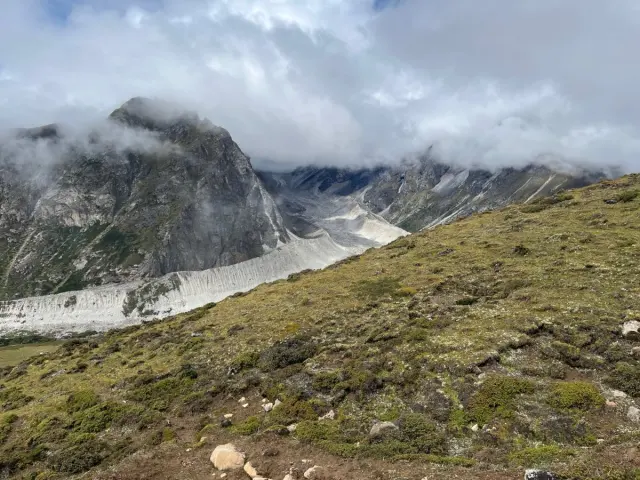
The idea didn't come out of nowhere. A local villager, Marat Sagynbaev of Novonikolaevka, raised alarms about glaciers around the pass, arguing that heavy traffic and dust from the road are speeding up their melt. He asked for protective measures — and the president's answer was that redirecting traffic underground is the plan in play. A second tunnel would cut the number of vehicles crawling over the pass itself, easing both the traffic chaos and the environmental pressure on the glacier zone.
Don't start planning your route around it just yet. No construction start date, price tag or technical specs were announced, and Japarov himself framed it as a project for the future. The existing tunnel at Too-Ashuu, carved through at around 3,100 metres, has long been a famous teeth-gritting stretch of the Bishkek–Osh highway: narrow, dark, often congested, and closed or queue-bound in bad weather. Anyone who has driven or taken a shared taxi to Song-Kul, the Suusamyr valley or onward to southern Kyrgyzstan knows the drill.
For travellers, though, the direction of travel matters. Kyrgyzstan has been steadily upgrading the Bishkek–Osh corridor for years, and better infrastructure means shorter, safer trips to some of Central Asia's best high-country scenery — horse treks around Song-Kul, summer pastures in Suusamyr, and the long haul down to Osh, Dungan mosques and the Ferghana side of the country. If a second, lower tunnel eventually gets built, the crossing that currently eats hours and nerves could become a non-event, opening up the south to more spontaneous trips and winter travel.
Who should care right now: road-trippers, cyclists and overlanders plotting the classic Bishkek-to-Osh run, and anyone heading to the jailoos in summer when pass traffic peaks. In the meantime, the practical takeaway is unchanged — the old tunnel still rules the route, so time your crossing for daylight, check road conditions in spring and autumn, and build in buffer time for queues at the summit section.
Story reported by 24.kg.