Autumn used to be the travel industry's quiet stretch — cheaper hotels, empty museums, plane fares that dipped after Labor Day. Not anymore. Bookings for fall trips are up 59% year over year according to travel network Virtuoso, with September sales jumping 77% and November up 71%. The 'fallcation' has officially gone mainstream.
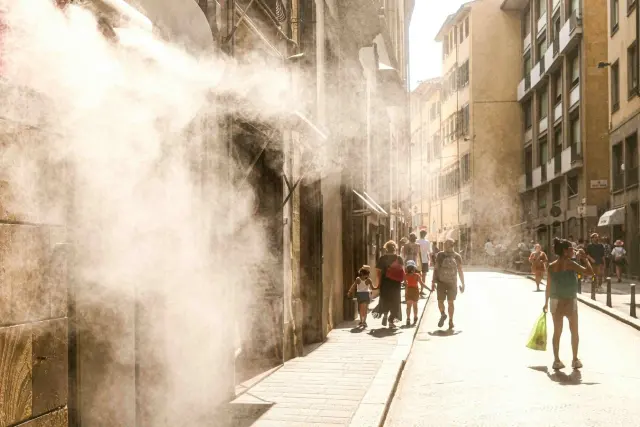
What's driving the shift? A mix of things. Summers in southern Europe have become genuinely uncomfortable — heatwaves, wildfires, airport queues and overtourism protests have dominated headlines. Meanwhile, summer itself keeps getting more crowded as more people travel than ever. Tom Barber of UK operator Original Travel says September and October departures now outperform August by 53% and 45%, and that autumn has beaten summer for at least two years running.
So who's actually travelling in fall? Mostly people without school-age children: empty-nesters, couples, friend groups and solo travellers. Food lovers are a big chunk — the mid-October harvest festival in Bordeaux's Saint-Émilion and Champagne's grape harvest draw serious interest, especially from travellers who'd rather go deep on one region than race through a whole country.
The hot destinations: Japan for autumn foliage, Italy and Greece for city and culture trips (Tuscany, the Peloponnese, Venice), and still the Mediterranean in October if you want a swim. Americans, one advisor notes, are increasingly saving Europe for September or October rather than fighting July heat. Domestically in the US, quieter picks like Newport, Rhode Island, Big Sky in Montana and Santa Fe, New Mexico are trending.
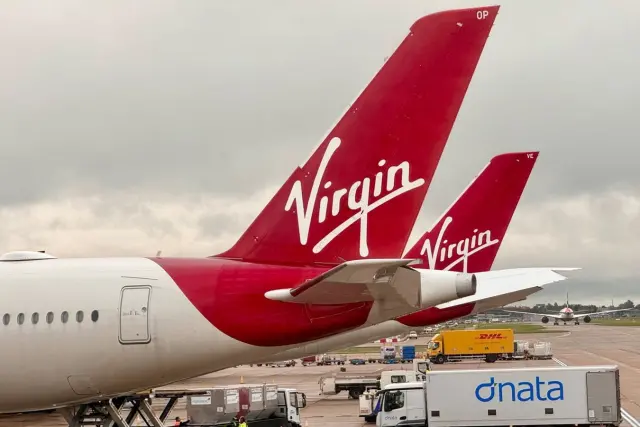
Crucially, this isn't replacing the summer holiday — most travellers are adding a second trip rather than swapping. Red Savannah's villa bookings were up 24% in June and 65% in July and August. But the calendar is being redrawn: hotels like Le Sirenuse in Positano now stay open into November, cruise lines Regent Seven Seas and Explora Journeys are running their first full Mediterranean winter seasons, and airlines are extending routes — United's Newark–Palermo flight runs until mid-December, while Delta flies JFK to Catania and Porto into January 2027.
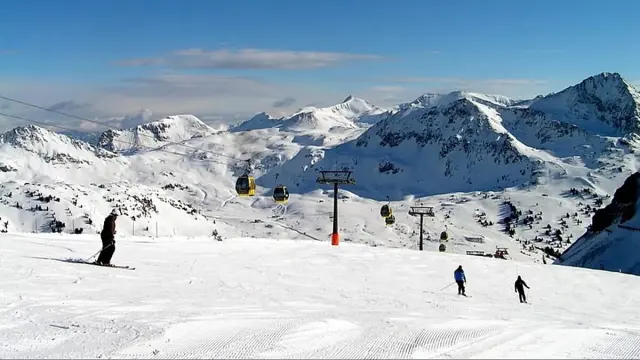
The catch, experts warn, is that September and October won't stay a bargain forever. As they become part of the main season in southern Europe, expect higher rates and tighter availability. Some in the industry see a silver lining: longer seasons could mean steadier tourism jobs instead of an eight-week summer spike — and perhaps destinations returning to the seasons that actually suit them, like the Riviera in winter or the Alps in summer.
The practical takeaway: if you want the old-school shoulder-season magic — mild weather, thin crowds, soft prices — book early and lean towards late October and November, which haven't yet caught up with September's popularity.