One of Miami Beach's most famous hotels is at the centre of a bruising legal fight that has now reached an unusual milestone: a judge has ordered a prominent rabbi to hand over his private AI chat logs.
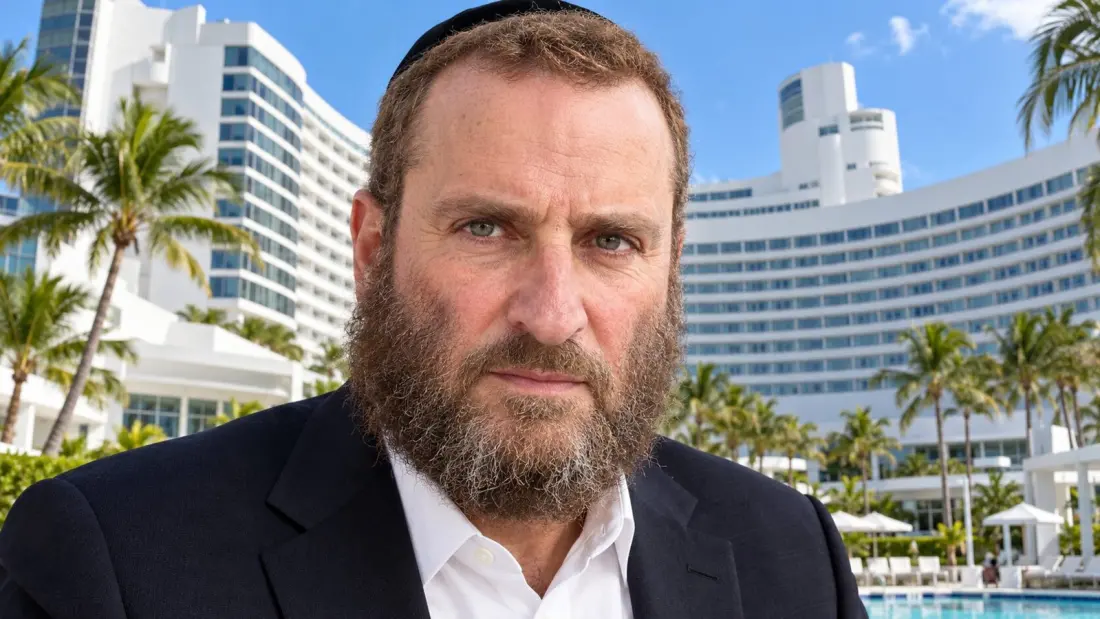
The dispute began around midnight on December 1-2, 2024, in the lobby of the Fontainebleau Miami Beach. Rabbi Shmuley Boteach, working on his laptop, says he was confronted by a guest named Faiz Akbar, who called him a "baby killer" and threatened him in explicitly antisemitic terms. Boteach recorded the encounter and accused hotel security of siding with the aggressor — hugging and fist-bumping him and refusing to call police. The hotel tells a different story: guards intervened within roughly two minutes, separated the men, and banned Akbar from the property.
There was history here, too. Boteach had a January 2023 incident at the same hotel, after which the Fontainebleau apologised and promised security training. When the 2024 confrontation happened, he saw it as another broken promise; the hotel saw a man angling for compensation. He announced plans for a $100 million lawsuit and urged travellers to boycott the property. The hotel claims he offered to stand down in exchange for a $1 million donation to his organisation; he says that demand was dropped during resolution talks brokered through Miriam Adelson.
The Fontainebleau then sued him for defamation, alleging he falsely claimed he was banned for being "too Jewish," misrepresented its cooperation with police, created AI videos showing hotel figures making fabricated admissions, and compared hotel representatives to Nazi collaborators. A judge let the defamation claim proceed in September 2025, ruling that attributing a specific discriminatory reason to his exclusion was a checkable factual claim, not opinion.
Then Boteach's own conduct caught up with him. Despite a court order to stop posting about the case — and a protective order covering hotel video he'd obtained — he kept publishing, including inflammatory posts about the hotel's attorney. Last month the judge dismissed his claims and entered a default judgment for the hotel.
What remains is damages, and that's where things get genuinely novel. The hotel wants uncapped punitive damages, which requires proving Boteach specifically intended to harm the business. It argued his AI conversations would reveal the planning behind his campaign — and on Wednesday, the judge allowed discovery of relevant, nonprivileged AI chats since December 3, 2024, including deleted ones. The court's reasoning: instructions to an AI can show why a statement was created and what effect its creator wanted. Boteach calls the ruling a threat to every hotel guest's digital privacy.
For travellers, the case is a strange window into how far a reputational fight between a guest and a famous resort can go — and a preview of privacy questions we'll all be debating as AI chats become part of ordinary life.