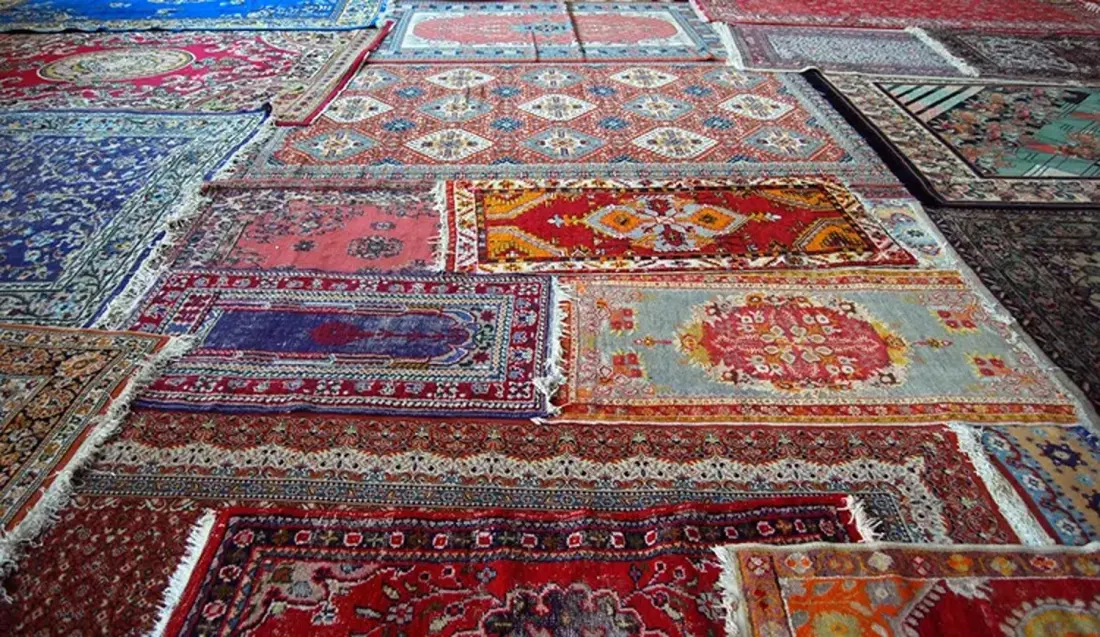
A woven mat sits behind glass at the Horniman Museum in South East London, labelled with a date and a place of origin. To the team behind a new exhibition opening there, that label is exactly the problem — because the same mat, unrolled at home, might carry a grandparent's prayers, a family's journey across borders, or the comfort of ritual in an unfamiliar city.
The project, opening on 3 December 2026, rethinks how the Horniman presents its substantial collection of belongings from Southwest Asia and North Africa — the SWANA region. It's the work of Hekayyatna, a London-based storytelling and cultural production house, alongside Horniman curator Heba Abd El Gawad and University College London. Their central move is deliberately small but pointed: they call the museum's objects "belongings," a word chosen to signal that everything in the collection once belonged to a person, a family, or a community — not to an institution.
"Museums have a really great knack for making belongings feel disconnected from the communities and people they come from," says Zeina Dowidar, cofounder of Hekayyatna. Items arrive in collections, get catalogued, and end up sanitised behind glass, their living context stripped away.
The consequences of that disconnect can be surprisingly concrete. One item in the Horniman's collection — an Arabic book — had been catalogued as Farsi. A small clerical slip, perhaps, but it shows what happens when the people describing an item lack the language or cultural knowledge to read it properly. The wrong label doesn't just sit on a database; it obscures the context that would make the item legible at all.
The exhibition's answer is participation. Through community workshops and an online open call, the project invited people with SWANA heritage to encounter the collection and respond through their own memories and knowledge. What does a misbaha — a set of prayer beads — mean to someone who remembers a grandparent moving them quietly through their fingers? What does a prayer mat reveal to a person who grew up watching one unrolled at home? The answers will sit alongside the objects themselves when the show opens in December.
Dowidar frames the stakes across generations: "All our belongings tell a story about us. The generations that come after us will look at them and wonder where we got them, when, and why." Strip out the human context and the mat stops being an inheritance and becomes mere inventory.
For travellers, this is a reason to look past London's biggest institutions. The Horniman, in Forest Hill, is one of the city's more thoughtful museums, and a visit timed to the opening offers a rare chance to see a collection curated with — rather than about — the community it came from. Hekayyatna has also said it hopes to replicate the model with other museum collections, so this could be the start of a wider shift in how diaspora heritage is displayed. If you care about how the things people carry — mats, beads, books — hold families and cultures together, this is worth the trip south of the river.
Reported by Egyptian Streets.