Half of what Italy, Ireland or India eats today simply didn't exist before the Americas. That's the provocation chef Lois Ellen Frank throws at students at the Santa Fe School of Cooking, where a morning class starts not with a recipe but with a history lesson that reframes global cuisine entirely.
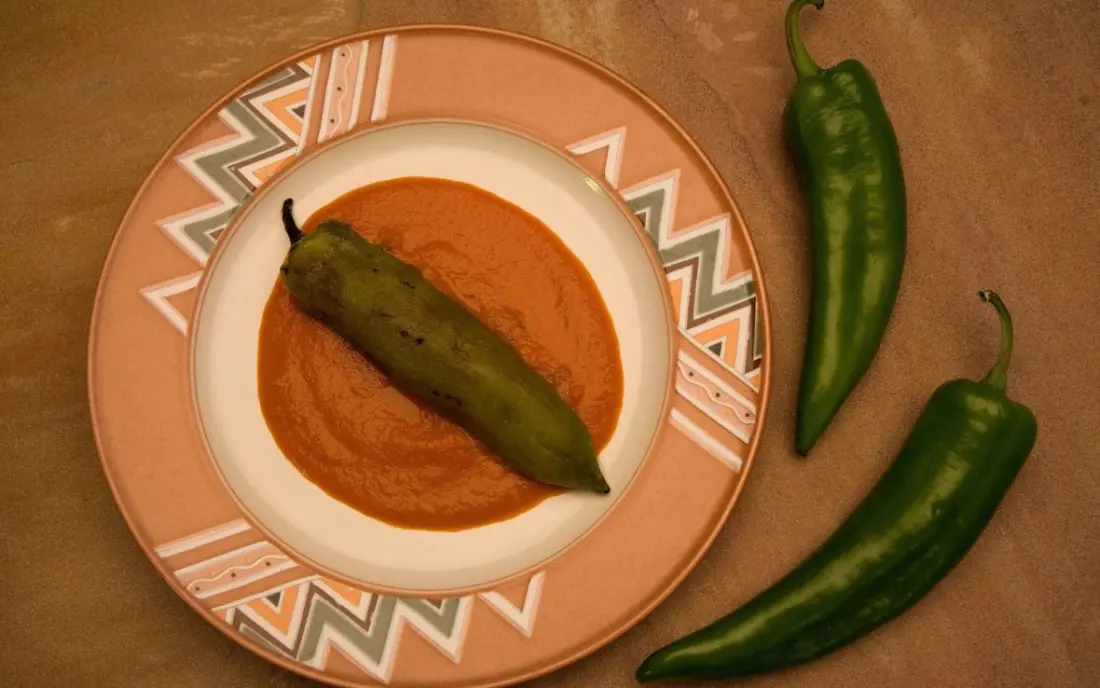
Frank, a chef, historian and cultural anthropologist, calls them the 'Magic Eight': corn, beans, squash, chili, tomato, potato, vanilla and cacao. All eight are native to the Americas, and before Columbus crossed the Atlantic, none of them existed in Europe or Asia. The implications stack up fast. No tomatoes in Italy, so no pasta sauce. No potatoes for the Irish or the Russians — meaning no vodka. No chilies anywhere in Asia, which would leave Thai and East Indian curries unrecognisable. Even the British national dish loses half its identity without the spuds for its chips.
It's a striking reminder of how much of the world's favourite food is, at root, Indigenous American. The Santa Fe School of Cooking, in New Mexico's high-desert capital, has built classes around this idea, teaching visitors Native American food traditions alongside the story of where these ingredients actually came from — and who cultivated them for thousands of years before they conquered the rest of the planet.
The setting makes the lesson land. Santa Fe sits on land where corn, beans and squash — the 'Three Sisters' planted together by Native farmers — have been grown for centuries, and the region's cuisine still runs on blue corn, chilies and squash in ways most visitors have only scratched the surface of. Students come expecting to learn a few techniques; they leave questioning the origin story of almost everything in their own kitchen.
For travellers, this is a genuinely different way into a destination. Instead of another adobe-gallery stroll or green-chile burger crawl, you get a hands-on session that connects what's on your plate to the people who domesticated it — and a party trick for your next dinner party: ask a table of friends which of the Magic Eight they'd give up, then point out that, historically speaking, they never had a choice.
It's also a nudge towards cooking-school holidays more broadly. A few hours with a local chef often teaches you more about a place than a week of sightseeing, and Santa Fe — compact, walkable and serious about food — is one of the best places in the United States to try it.