Wet boots, a false storm alarm and an illegal-camping warning that turned out to be nonsense — day 13 of a John Muir Trail thru-hike delivered all three in a single afternoon.
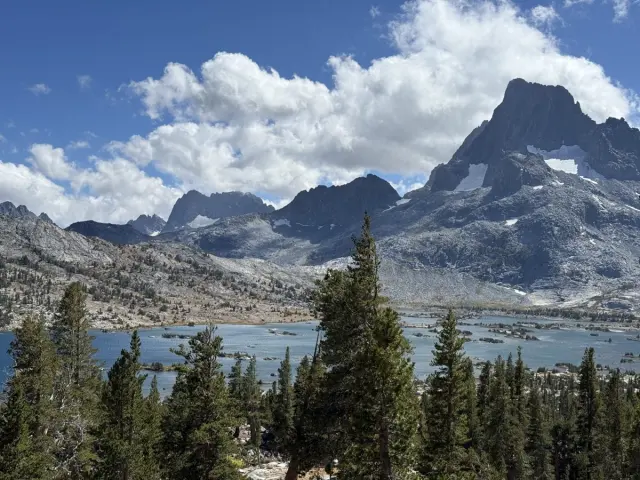
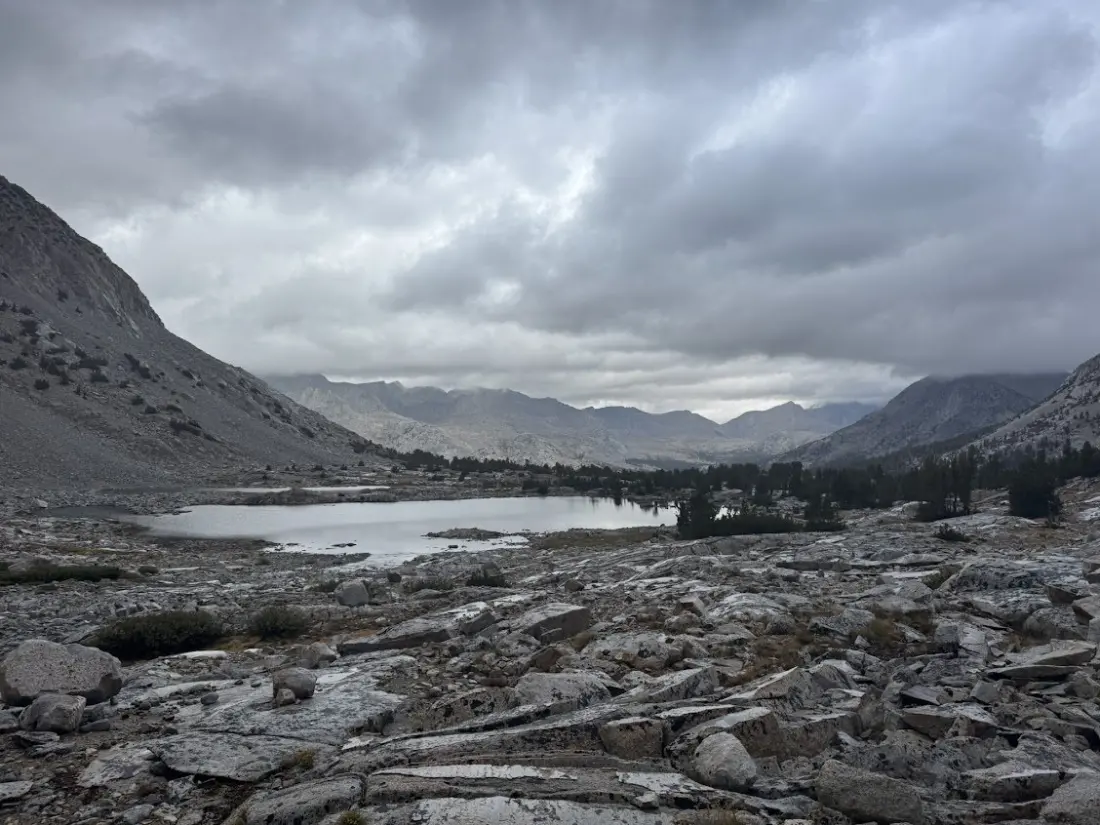
The day started with a soggy climb over Pinchot Pass, one of the JMT's string of Sierra Nevada passes. The writer and their hiking partners woke dry but walked a drenched trail, crossed a river early on, and ground through what they describe as a long slog both up to the pass and back down the other side. They didn't even bother pausing at the summit — a sign of how unglamorous the weather had made the crossing. Along the way they crossed paths with a Pacific Crest Trail hiker named Jay making up lost miles, and reconnected with fellow trekkers Roadie and Twinkle Toes, a reminder of how social a long-distance trail can be even in the wet.
The real drama came at Woods Creek. Arriving early afternoon, they found at least 20 tents already pitched, with rumours of a big storm circulating through the hiker community. Like everyone else, they set up — then checked the forecast and realised they actually had about two hours before the weather was due. Cue a fast repack and a push uphill to Dollar Lake.
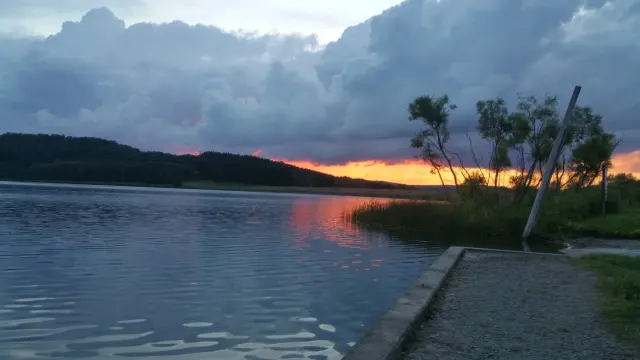
There, they ran into a group of weekend campers who had wedged four tents between the 'protected area, no camping' signs, and were cheerfully told that the hillside above the lake was 'the bathroom'. Ignoring the advice, the JMT crew walked 30 yards further up and found a genuinely perfect campsite — and the storm, after all that, never properly arrived.
Why does this matter if you're not thru-hiking? Because it captures what the JMT is actually like day to day: weather forecasts that shift hourly, popular spots like Woods Creek filling up by mid-afternoon, and the best campsites often a short climb beyond where the crowds stop. Pinchot Pass sits deep in Kings Canyon National Park country, and the Woods Creek–Dollar Lake stretch is popular with weekenders as well as long-distance hikers, so timing matters. The lesson from this particular day 13: keep some flexibility in your plan, don't trust a crowded site as a signal that you should stop too, and always look a little further up the hill — ideally somewhere that isn't, in fact, the bathroom.