Costa Rica is famous for cloud forests and turtle beaches, but ask around in a village plaza after dark and you'll hear a different side of the country: a catalogue of ghost stories and legends that locals still argue about. Some date back generations; others are recent enough that people claim to know a witness.
The classics involve moral payback. There's the priest who lost his head over a woman and now wanders the countryside headless. A disobedient son was turned into Cadejos, a devil dog that prowls at night, snarling with a chain rattling behind him. And in the countryside, an ox-cart is said to roll along on its own because its owner built it from lumber meant for church construction. Nobody needed special effects for these tales — they were how communities warned each other about greed and disrespect.
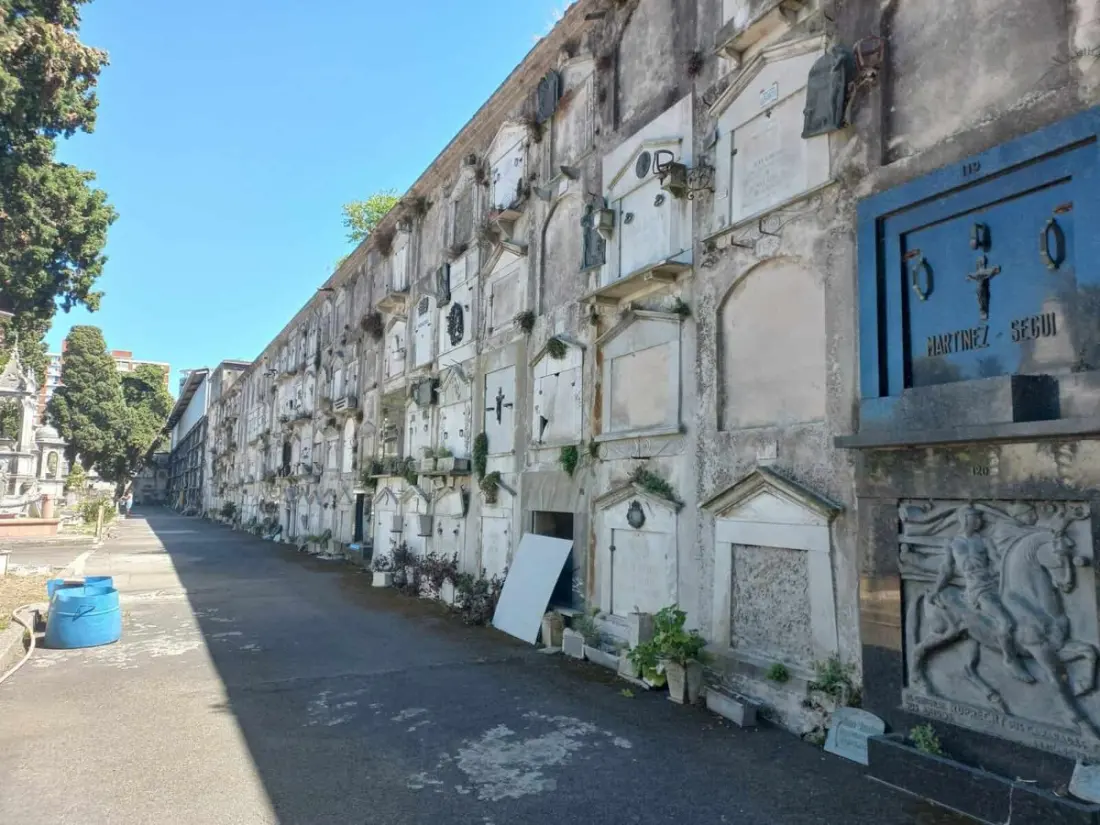
More modern sightings carry the same chill. In Heredia, in the twentieth century, people reported cries and screams coming from a freshly filled grave. By the time officials got around to opening the casket, the inside was scratched and torn. Atenas, a pleasant town on the road between San José and the Pacific coast, has its own oddity: a naked blond ghost nicknamed Macho Chingo spotted walking the hills — sometimes described as wearing nothing but a necktie, and rumoured to be German. In Alajuela, locals will tell you about the nun said to haunt the city's old hospital building.
But the story that sticks is the hide-and-seek bride from Río Segundo, then a rural suburb of Alajuela full of coffee haciendas. A young couple planned their wedding, and the hacienda owner offered them a big vacant house on the far side of the farm for their wedding night. The groom dressed in white with a red cummerbund embroidered by his bride. Alone in the largest house either of them had ever set foot in, they started a game of hide and seek. When his turn came, he hid so well that his wife searched the dim rooms for hours before giving up, heartbroken, convinced he had fled the marriage. She eventually moved on with her life. Years later, new owners clearing out the property opened the old trunks and barrels and found a skeleton dressed in white, wearing a red embroidered cummerbund. The story has no ending — the source of the tale leaves it open whether the groom waited in the dark for a bride who never found him.
Why does this matter to a traveller? Because Costa Rica's culture isn't confined to its national parks. These legends are tied to real places you can visit — Heredia's colonial streets, Atenas' hills, Alajuela's old quarters and coffee country around Río Segundo. Ask a Tico guide about ghost stories and you'll get history, humour and local pride in one conversation, often over a cup of the coffee that shaped those same villages. Halloween or not, it's a memorable way to see a familiar destination differently.
Story sourced from The Tico Times.