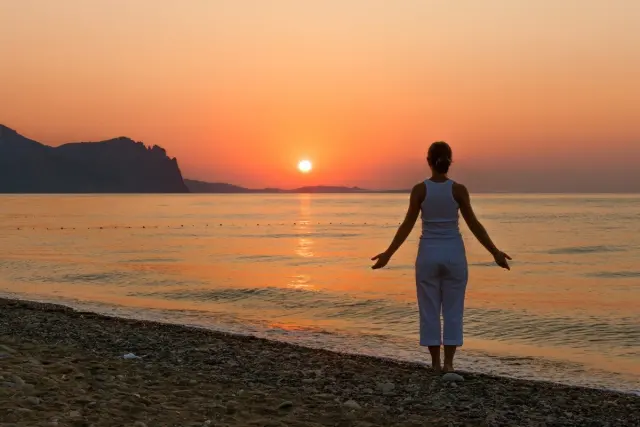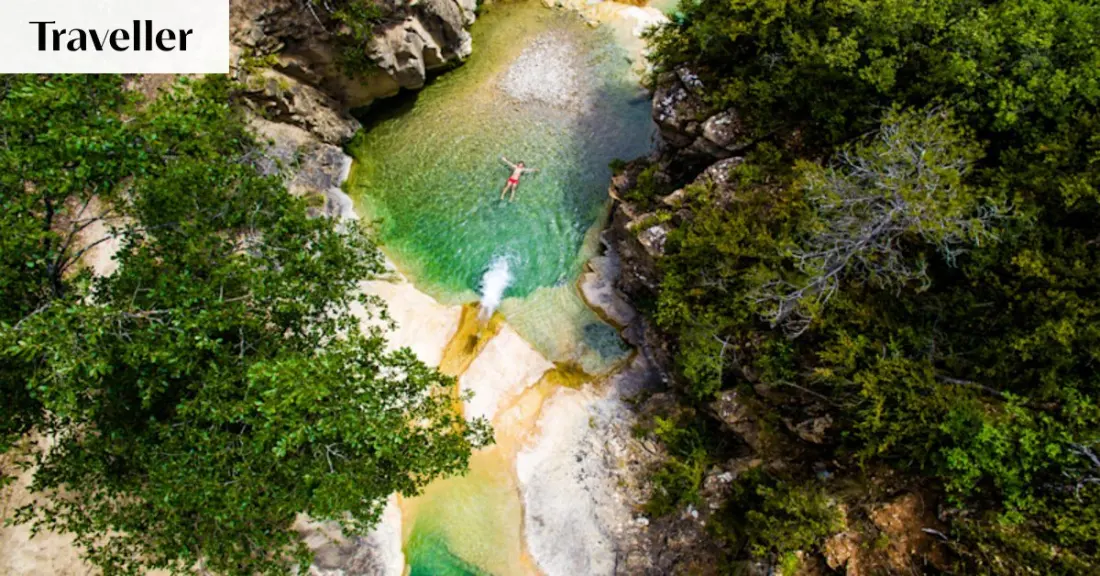
If your last holiday felt like another performance review, the travel industry has quietly coined a fix: the stillcation. The idea, explored in a recent feature by Traveller (Sydney Morning Herald), is simple — instead of asking which destination has the most to do, ask which offers the best conditions for doing less. No bucket lists, no sunrise yoga mandates, no step-count targets. Just good food, clean air, quiet trails and the odd long look at the horizon.
The concept has real momentum behind it. British operator Inghams recently ranked nearly 100 European destinations by stillness, scoring criteria like birdsong richness, forest cover, air quality and human density — Scotland's Wester Ross came out on top. Luxury outfit Black Tomato now sells itineraries with names like "The Gift of Boredom", and off-grid, Wi-Fi-free cabins have become a cottage industry in themselves. There's science in it too: slowing down shifts the nervous system out of fight-or-flight mode, lowering heart rate and blood pressure. Expect a day or two of restlessness first, though — unwinding is not instant.
The source piece rounds up ten destinations, and they lean convincingly remote. Kangaroo Island, a 45-minute ferry from mainland South Australia, pairs wildlife encounters with wineries and empty beaches, and has rebounded well from the 2020 bushfires — the rebuilt Southern Ocean Lodge now runs from about $3400 a night with dining and experiences included. Flinders Island in the Bass Strait, with fewer than 1000 residents and more than 120 beaches, offers guided walks via Australian Walking Holidays from $3275.
Further afield, Abisko in Swedish Lapland is a village of 85 people with an unusual cloud-free microclimate that makes it one of the planet's best spots for northern lights viewing from September to April. The Pyrenees, surprisingly, qualify as quiet despite sitting between France and Spain, with karst valleys, thermal spas and trails where you can walk a full day without meeting anyone — UTracks runs a self-guided Dali-themed walk from $2190. Switzerland's Engadin Valley hides reading benches, forest-bathing paths and the Bernina Express, which crosses 196 bridges, behind the glamour of St. Moritz.
Canada's Yukon has roughly the population of a mid-size NSW town spread across a landmass the size of Spain, with hot springs in Whitehorse and hiking in Kluane National Park. New Zealand's South Island, in the world's second-most peaceful country, offers the Milford and Routeburn Tracks plus Lake Tekapo's Dark Sky Reserve for stargazing — or a Pure Pod glass cabin from around NZ$395 a night. Bhutan rounds out the list with its deliberately low-volume tourism model.
Why it matters: a stillcation is a genuinely cheap-to-luxury-flexible way to travel, and it suits anyone burnt out by checklists — or anyone who suspects that rest, like everything else, has quietly become something they feel obliged to optimise. The catch is mindset, not money: the itinerary is the absence of one.
Story via Traveller (Sydney Morning Herald).