At around 4:00AM on Tuesday, residents of Bogotá, Ibagué and Cali were jolted out of bed and into the streets as a strong earthquake, centred in the department of Tolima, rippled across Colombia. It was the second significant tremor to strike the country in under three months — and while this one left no major damage or injuries, it reopened wounds from an August disaster that is still very fresh.
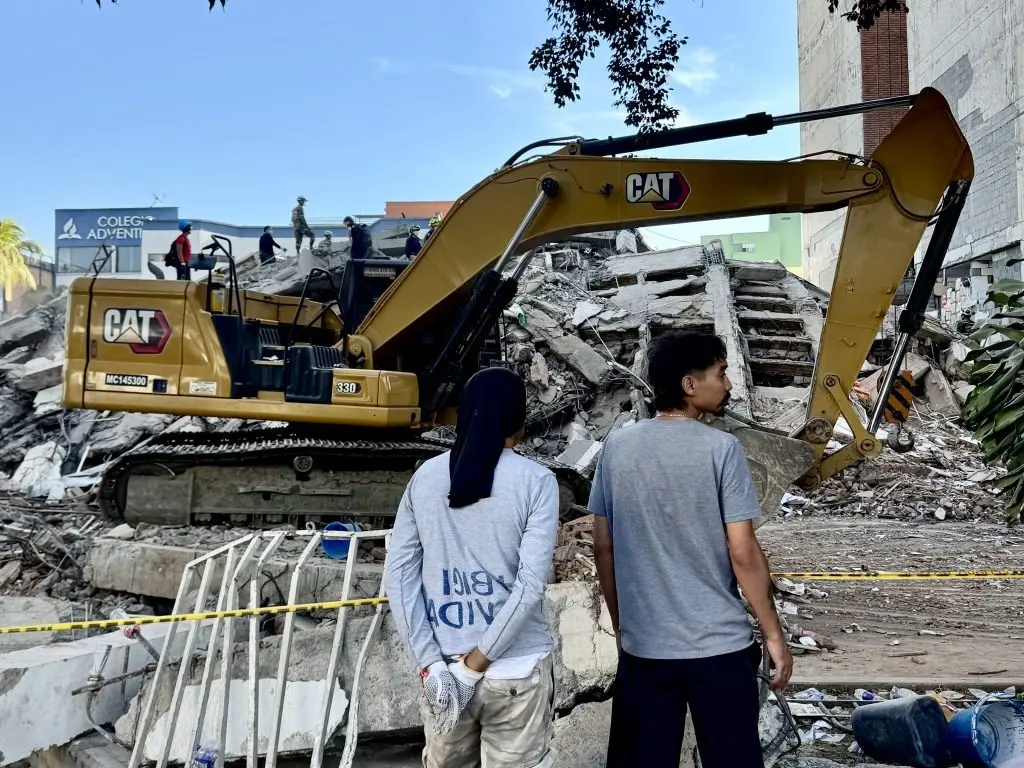
That earlier quake, magnitude 7.4 and centred in the Pacific region near San José del Palmar in Chocó, ranks as the third-largest in Colombia's recorded history according to the Colombian Geological Survey. Cali, Pereira, Manizales and Chocó bore the brunt: a government report released on September 9 counted roughly 330 deaths, more than 4,500 injured and 16 departments affected.
The immediate conversation after Tuesday's early-morning shake wasn't about buildings — it was about minds. News anchor Rossy Lemos, whose family is from Chocó, described on social media nearly three months of broken sleep, waking repeatedly to dreams of the ground moving. "I was blaming it on anything else, including stress. It was hard for me to admit that I was terrified," she said, adding that feeling the new tremor in Bogotá brought back the panic she'd first experienced in Cali.
Psychologists say that reaction is common and understandable. Sara Rubiano, a clinical psychologist, explained that trauma can be picked up by observation as well as experience — constant exposure to others' terror produces real fear responses. For those with direct losses, a fresh tremor can trigger flashbacks, intrusive memories and intense physical reactions, even when the new event is less dangerous. Miguel Gutiérrez Peláez, who heads psychology at Universidad del Rosario, described "a collective experience of fear and uncertainty," though he cautioned that shared fear doesn't equal shared trauma — individual history and resources shape how each person copes. Earthquakes, he noted, unsettle even those untouched by them, because they confront people with how little control they have.
For travellers currently in or heading to Colombia, the practical takeaway is straightforward: the country is seismically active, and tremors are part of life there. Know the basics — in an earthquake, drop, cover and hold on, move away from windows, and follow local evacuation instructions rather than rushing outside. But the deeper takeaway from this story is human. Locals in Bogotá, Cali and Chocó are still processing a major tragedy, and a little patience and sensitivity goes a long way while communities recover.
Rubiano's advice applies to visitors and residents alike: treat fear as a normal, even useful response; identify catastrophic thoughts without assuming they'll come true; limit doomscrolling of news and social media; stick to routines; and seek professional help if sleep problems or flashbacks persist.
Colombia remains very much open and welcoming — Bogotá's museums, Medellín's transformation and the coffee region's hills are all thriving — but going with current-safety awareness and empathy for what locals have just lived through will make any trip there a better one.
Reported by The Bogotá Post