Millions of drivers cross the US–Mexico border every year, and plenty of them push beyond the border free zone for a proper road trip. But if something goes wrong on the road, the process that follows can look very different from back home — and knowing the rules before you set off can save you a lot of stress.
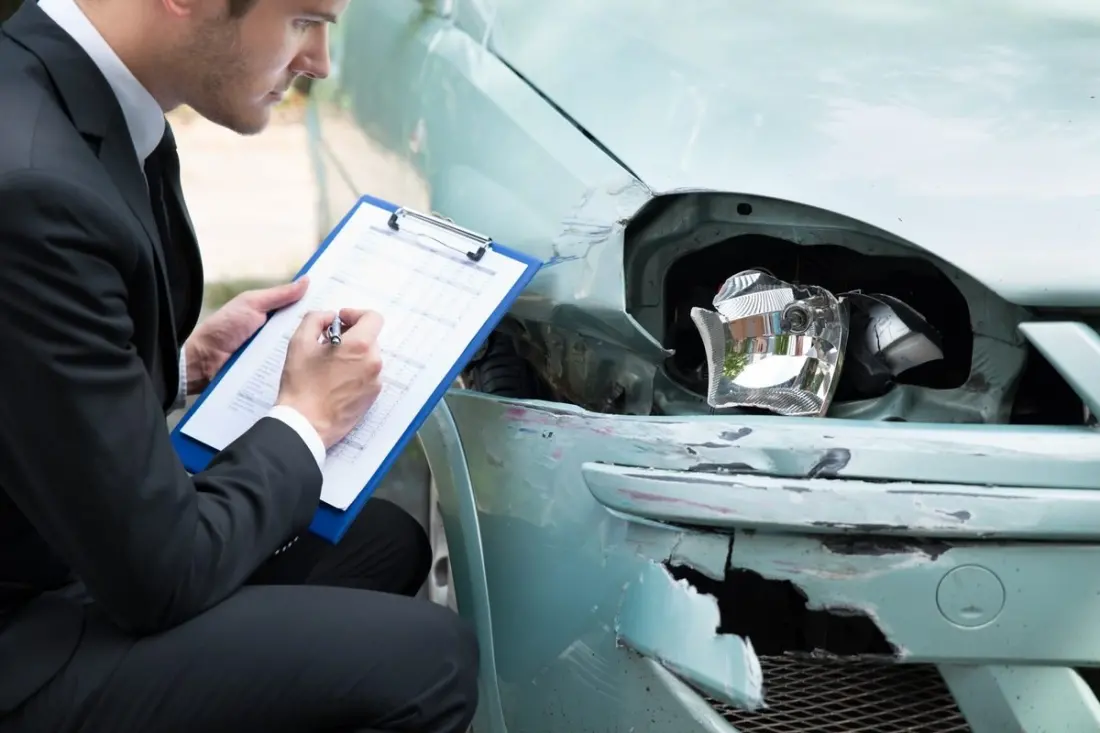
The biggest difference: every accident gets attended. In the US or Canada, a minor fender-bender is usually sorted out with an exchange of details and a report filed later. In Mexico, insurance adjusters come to the scene of every reported incident, however small. They assess the damage on the spot, file the paperwork and set the compensation process in motion. Most accidents are indeed minor — damage gets assessed, reports are signed, and drivers carry on their way.
One rule catches travellers out every year: file your claim while you're still in Mexico. Drivers who shrug off a small scrape or a theft from the vehicle and wait until they're home in the US or Canada often find the claim simply isn't valid. If you want to claim anything, do it before you cross back north.
If the car is undrivable, your insurer arranges a tow to the nearest repair centre. Read the fine print on towing, though — foreign-plated vehicles are generally not covered for being towed all the way back to the US or Canada.
Serious accidents are a different matter. If someone is injured, the insurer's help line can call emergency services. If police become involved — and especially if someone is killed — drivers may be detained until fault is determined and compensation is agreed. This is where good insurance earns its keep: a solid policy provides legal support, a bilingual lawyer and bail-bond services if you're found at fault. Without coverage, you'd be navigating the process in Spanish and paying legal costs and bail out of pocket. If injuries are severe, a medical evacuation plan can be triggered, and it's worth contacting your country's consulate to make them aware of your situation.
The essential pre-trip step is insurance itself. Your American or Canadian auto policy won't help: Mexican law prohibits foreign policies from covering third-party liability in the country. You need a dedicated Mexico policy, ideally with English-language documentation and a support line connecting you to local services — providers like MexPro specialise in exactly this for US and Canadian drivers.
For anyone planning a Mexican road trip, this isn't scaremongering — it's routine preparation. Road-tripping Mexico is one of the most rewarding ways to see the country, and with the right policy and a basic grasp of what happens after an accident, it's a far more relaxed proposition.