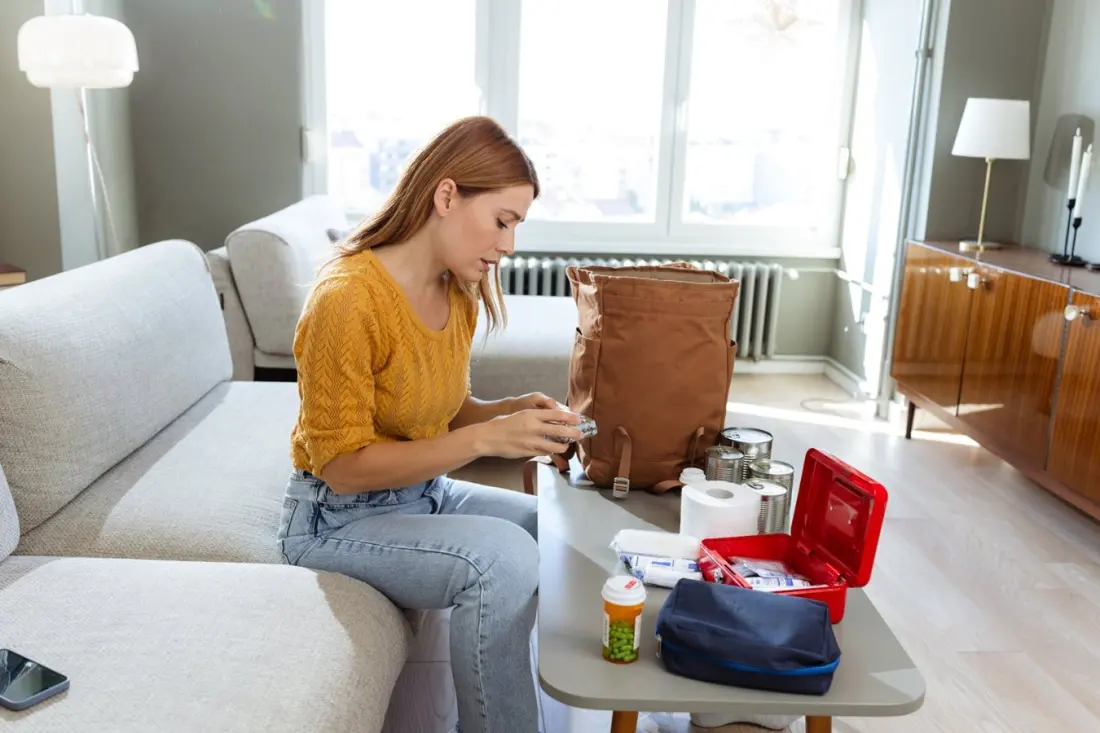
A paper cut from your passport, a blister on a day hike, a mystery rash from an unfamiliar sunscreen — small health problems have a way of showing up on holiday, usually far from the nearest pharmacy. That's the thinking behind a well-stocked travel first-aid kit: a small pouch that saves you from hunting down a drugstore in a place where you don't speak the language, and in rare cases, buying you time in a genuine emergency.
Start with the basics most people skip. Antihistamines aren't just for those with known allergies — travel throws new pollens, insects and products at you, so over-the-counter allergy pills, eye drops and anti-itch cream earn their spot. For cuts and blisters, pack an assortment of plasters: standard bandages, butterfly closures, Steri-Strips and hydrocolloid patches. Clean wounds first, and opt for antiseptic wipes rather than liquids, which can complicate airport security.
A step up in seriousness: hemostatic gauze or an emergency trauma dressing (sometimes called an Israeli bandage). These are for significant bleeding, especially when you're far from help — the gauze is packed inside a wound to promote clotting, while the trauma dressing applies around 40 pounds of pressure via a locking bar. Learn how yours works before you pack it, not during the emergency.
Beyond wound care, the checklist covers the unglamorous things that ruin trips. Electrolyte powders fight dehydration, whether it's a heat wave in Rome or a long-haul flight in economy. Tweezers handle splinters; trauma shears with a built-in strap cutter and glass breaker handle worse. A small USB-rechargeable flashlight (a model under four inches with a beam reaching over 200 feet is cited) helps you treat injuries after dark — or signal for help. Instant ice packs, activated by squeezing, work without a freezer, though check TSA limits since many contain regulated ammonium nitrate.
Medication is where preparation really pays off. Pack travel-sized painkillers, stomach remedies and sleep aids, because some countries restrict common over-the-counter drugs you'd buy without a second thought at home. A labelled pill container beats six rattling bottles. And don't underestimate the sun: city strollers get burned as often as beachgoers, so keep sunscreen handy and add aloe vera gel for when it goes wrong anyway.
For travellers with heart conditions, there's a heavyweight option: St. John Ambulance's pocket-sized defibrillator, roughly the size of a soda can at around $1,400. Pricey, yes — but with out-of-hospital cardiac arrest survival sitting around 10%, it's framed as a potentially life-saving investment.
The practical takeaway: you don't need to assemble everything from scratch. Pre-packed travel first-aid kits exist, and waterproof ones make sense for beach trips. Whichever route you take, double-check your destination's rules on medicines before you fly — the kit that gets you through customs is the one that actually helps.