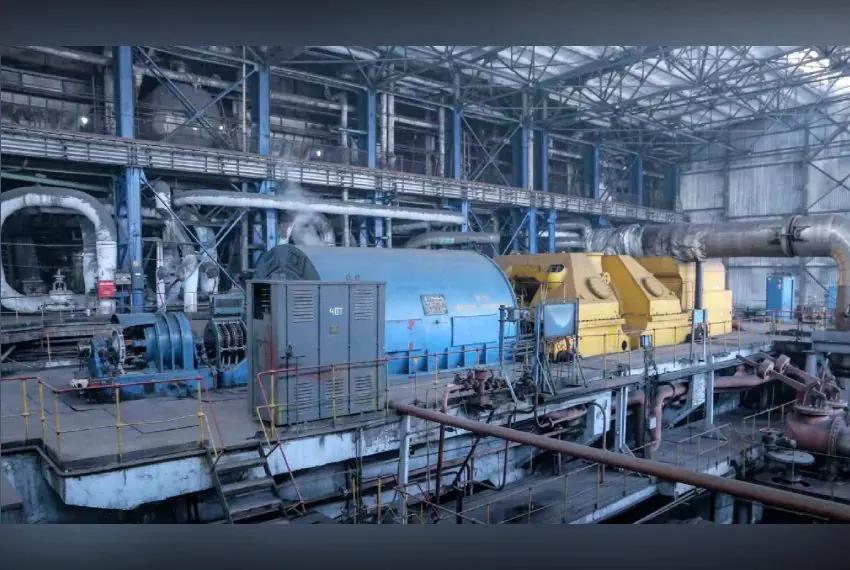
Kyrgyzstan runs 388 boiler houses, and only 77 of them are electric. That figure came out at a parliamentary committee hearing, where First Deputy Energy Minister Kursantbek Omurbekov broke down the rest: 198 burn coal, 84 run on gas, and 29 use fuel oil. In other words, roughly four in five of the country's heating systems still depend on fossil fuels — coal above all.
The timing matters. The country is dealing with an electricity shortage, which makes the push to electrify heating awkward at best. The government has instructed local authorities to switch heating at social facilities — schools, hospitals and the like — to solar panels and heat pumps, but MPs at the meeting were quick to flag the problem: most local governments are subsidized and simply don't have the budget for upgrades. A subsidy scheme to fund the transition was floated as a possible fix.
There's also a financial experiment running in the background. The boiler houses have been handed over to local government bodies, which now have two years to become financially self-sufficient through tariffs, with the Ministry of Finance topping them up with annual subsidies in the meantime. Whether that deadline sticks is an open question, given how many of these bodies depend on state support.
So why should a traveller care? If you're planning a winter trip to Kyrgyzstan — Bishkek in December, or a guesthouse near Karakol for ski season — this is the infrastructure keeping your room warm. Much of it is aging, coal-fired and under pressure to change, and the electricity shortage already means periodic power restrictions in winter. Pack for the possibility that heating is inconsistent in older guesthouses, especially outside the capital, and consider that peak winter demand is exactly when the system is most stretched.
There's a silver lining for visitors, too: the move toward heat pumps and solar at public facilities is part of a wider effort to modernize, and Kyrgyzstan's hydropower-heavy grid means the country's long-term direction is cleaner than its coal-heavy present suggests. For now, though, expect a country mid-transition — Soviet-era heating networks in the cities, wood and coal stoves in the villages, and a slow, underfunded shift that will take years.
It's also a useful reality check on the country's growing eco-tourism pitch. Treks around Song-Kul and homestays in the Alay Valley are genuinely low-impact in summer, but winter travel in Kyrgyzstan still leans heavily on coal. Go in the warmer months if you want your footprint to match the brochure, and if you do travel in winter, book places with modern electric heating where you can.
Story from Kyrgyzstan: 24.kg