If you've ever watched someone else get bumped up to premium economy while you stayed in your middle seat despite having status, the explanation probably isn't luck or charm. Most airline upgrades are decided by automated ranking systems hours, days, or even weeks before boarding, and the rules behind them are far more public than most travellers realise. US carriers like American and United publish enough of their logic for frequent flyers to work out exactly where they stand.
First surprise: how much you spend can matter as much as how often you fly. American uses Loyalty Points earned over the previous 12 months as a tiebreaker within elite tiers, so a passenger who racks up points on an AAdvantage credit card and a couple of long-haul fares can outrank a colleague who flies more often but spends less overall.
Second: the letter code on your ticket quietly shapes your odds. United's upgrade priority for economy passengers runs through a hierarchy starting at full-fare Y and descending through B, M, E, U, H, Q, V, W, S, T, L, K, and finally G — the deepest discount fares. Two travellers with identical status can get very different outcomes purely because one bought a flexible ticket and the other grabbed the cheapest deal. That bargain fare can look less attractive once upgrade clearance time comes around.
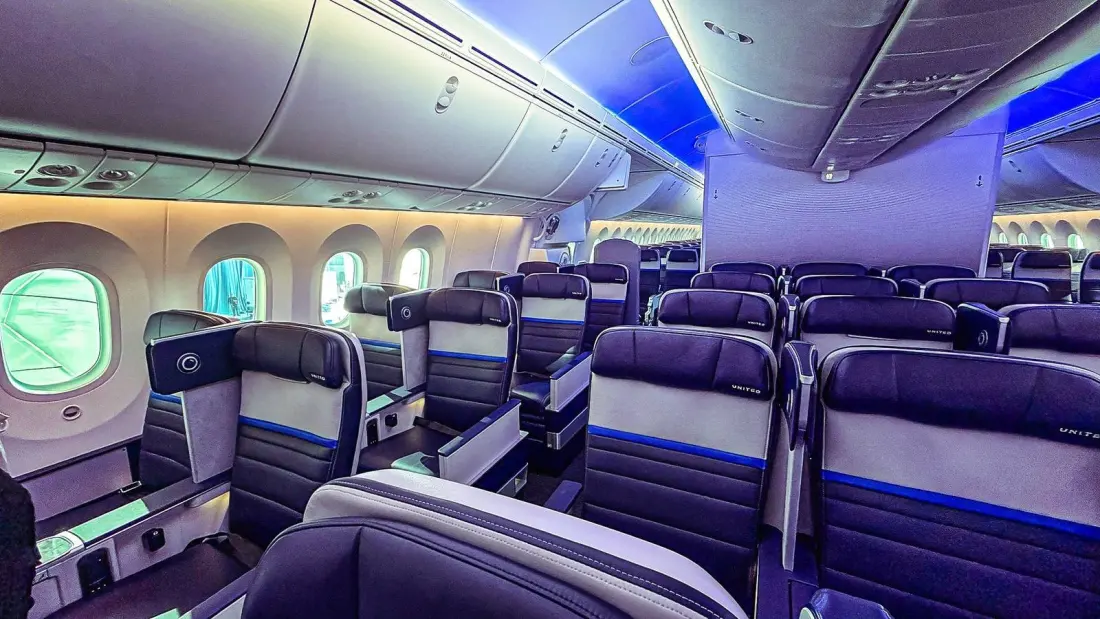
Premium economy also isn't just a comfier seat. On United, Premium Plus passengers sit ahead of standard economy travellers when Polaris business upgrades clear, so buying the middle cabin can be a deliberate stepping stone toward the front. Airlines reward customers who have already shown a willingness to pay more.
Another common misconception: status alone often loses. Passengers redeeming miles, PlusPoints, or upgrade certificates generally jump ahead of those waiting for complimentary elite upgrades — meaning a mid-tier member can leapfrog someone with higher status simply by committing points or instruments to the request.
Finally, the gate agent is not the decision-maker most passengers imagine. Systems — including AI-driven tools like Sabre Upgrade IQ — build and process the upgrade list long before departure. Agents only handle the leftovers in the last hours before a flight. Small talk and a smart outfit won't reorder a queue that was generated by an algorithm during booking.
For anyone who actually wants an upgrade, the playbook is straightforward: book higher fare classes where the price difference is tolerable, use miles or certificates rather than waiting for a freebie, consider premium economy as a launch pad, and build loyalty points through credit-card spend. Upgrades aren't mysterious — they're maths, and the travellers who understand the formula are the ones who end up with extra legroom.