Anyone travelling in or around Spain on 11 November should brace for disruption. The country's two biggest unions, UGT and CCOO, have called a 24-hour nationwide general strike over the housing crisis — the first walkout they've jointly backed in 14 years, landing just weeks before a snap election.
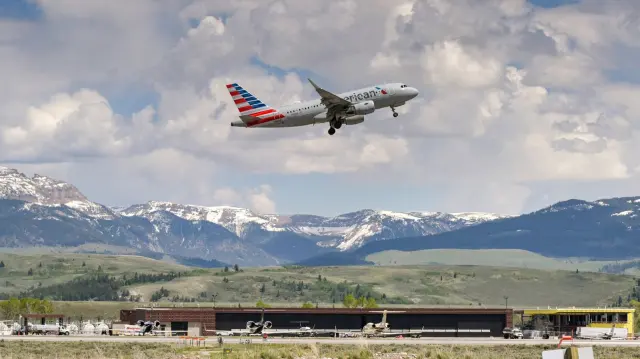
No specific airline or rail stoppages have been confirmed yet, but history suggests travel will be hit. Past Spanish general strikes have involved airport ground staff, air traffic controllers and cabin crews, and unions say representatives from Airbus and the hotel chain Ilunion attended the assembly that called the action. Rail travellers face possible severe disruption too, with Renfe, the high-speed AVE network, metros and local buses all flagged as vulnerable.
The strike is rooted in Spain's housing emergency. It follows weeks of protests triggered by the eviction of an 87-year-old woman from a Madrid flat she had lived in for seven decades — a case that crystallised anger over soaring rents, gentrification and the shortage of affordable homes in major cities. UGT put it bluntly: the working class can no longer afford housing. CCOO said housing sits at the centre of the protest because millions struggle to pay rent, locking young people out of independence.
Beyond transport, expect big street demonstrations in Madrid and Barcelona that could block roads and slow city traffic. The UK Foreign Office's standing advice for Spain notes that marches can appear with little or no warning, especially in cities, and urges Britons to follow police instructions. Most demonstrations are peaceful, but the guidance warns of occasional unrest and advises moving away if things turn ugly.
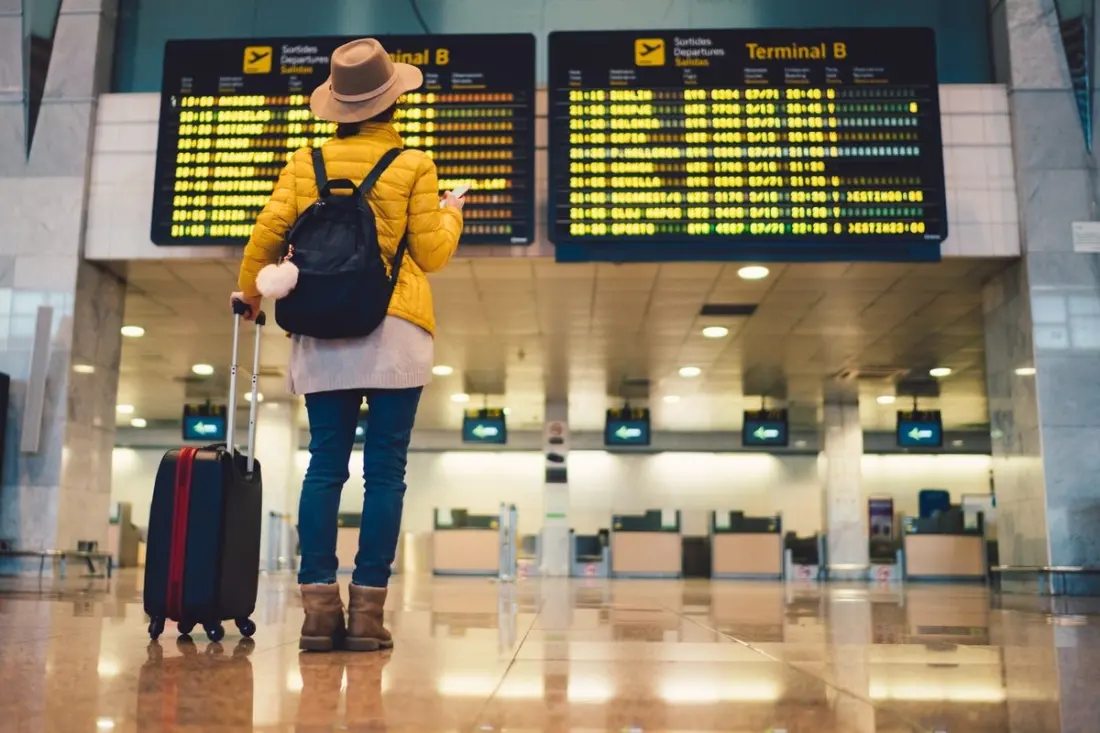
The Foreign Office has not issued a Spain-specific warning about this strike, so flights are not automatically cancelled — but travellers booked on the day should watch for airline and rail operator updates, build in extra time, and check whether their ticket can be moved. Airport handlers walking out tends to mean delays rather than wholesale cancellations, though baggage and check-in services are often the first to suffer. If your plans are flexible, avoiding flying or long-distance rail on 11 November itself is the simplest hedge.
For holidaymakers already in Spain, the practical risk is less about safety and more about logistics: closed shops, thin metro schedules and protest crowds in city centres. Coastal resorts and smaller towns may barely notice, while Madrid and Barcelona will feel it most. Keep an eye on local news, carry some patience, and you'll likely get where you're going — just slower than usual.
First reported by The Independent Travel.