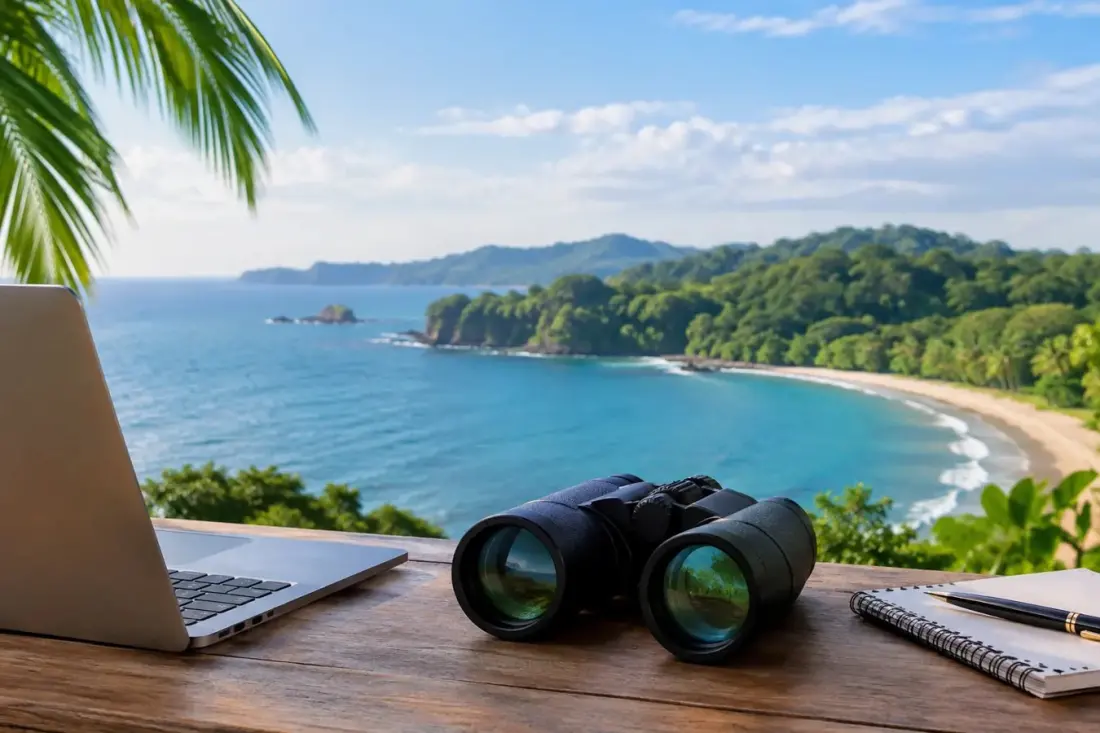
A scarlet macaw flying past a Guanacaste sunset can make any hillside lot look like a guaranteed win. That, according to a new feature in Howler Costa Rica, is exactly the problem. The country inspires daydreams of surf breaks before work and rentals that pay for themselves — but paradise is not a business plan.
The case for Costa Rica is real, though. It has political stability, a conservation-first identity, and a tourism economy built on beaches, national parks and wellness travel, plus growing sectors in tech, medical services and light manufacturing. Crucially for foreigners, property ownership rights are generally the same as for citizens, with some special rules in maritime concession zones. That has fuelled international communities in Tamarindo, Nosara, Santa Teresa, Manuel Antonio, the Central Valley and the Southern Zone — each with its own market rhythm, road access and water situation.
The article's core advice: start with 'what am I trying to build?' rather than 'what can I buy?'. A second home, a short-term rental, a farm and a boutique eco-lodge carry very different costs and behave differently when tourism dips or construction materials spike. A managed coastal condo is easier to run but comes with fees and rental restrictions; cheap raw land hides the true price of roads, drainage, water, power, permits and oversight. And rental income projections need sobering realism — factor in management, cleaning, insurance, platform fees and vacancy, not just peak-season occupancy.
Water is the detail that catches buyers out. In some regions a legally confirmed, reliable water source matters more than an ocean view. Terrain adds complications too: hillsides, rivers and coastal zones can trigger setbacks, easements and slope limits, so a lot that looks buildable from the road may not be. An independent Costa Rican real estate attorney is non-negotiable — verify title, survey, liens, zoning and access rather than trusting a listing or a promise that paperwork is 'in process'.
Real estate isn't the only route. Entrepreneurs are drawn to the country's educated workforce and renewable-energy profile, but imported business ideas often stumble on local pricing, labour rules and permitting. Owning property or a business does not grant the right to work in the country — immigration and tax advice should come early. Partnerships, meanwhile, need written agreements; a friendly chat over ceviche is a start, not a contract.
The most practical tip of all might be the slowest: rent before you buy. Live in the region through ordinary life, not holiday life, drive the route from the airport in different conditions (a road that's fine in March tells a truer story in October), check internet and mobile coverage, and talk to residents who earn nothing from your decision. Fast-growing beach towns bring demand but also high prices and competition; less-developed areas may sit on infrastructure gaps and slow liquidity; the Central Valley offers year-round livability without the easy vacation-rental story.
For travellers, this matters even if you're not buying. It explains why the towns you love feel the way they do, and how thoughtful owners — the ones who manage wastewater, hire locally and leave the forest intact — are the ones keeping Costa Rica worth visiting decades from now.