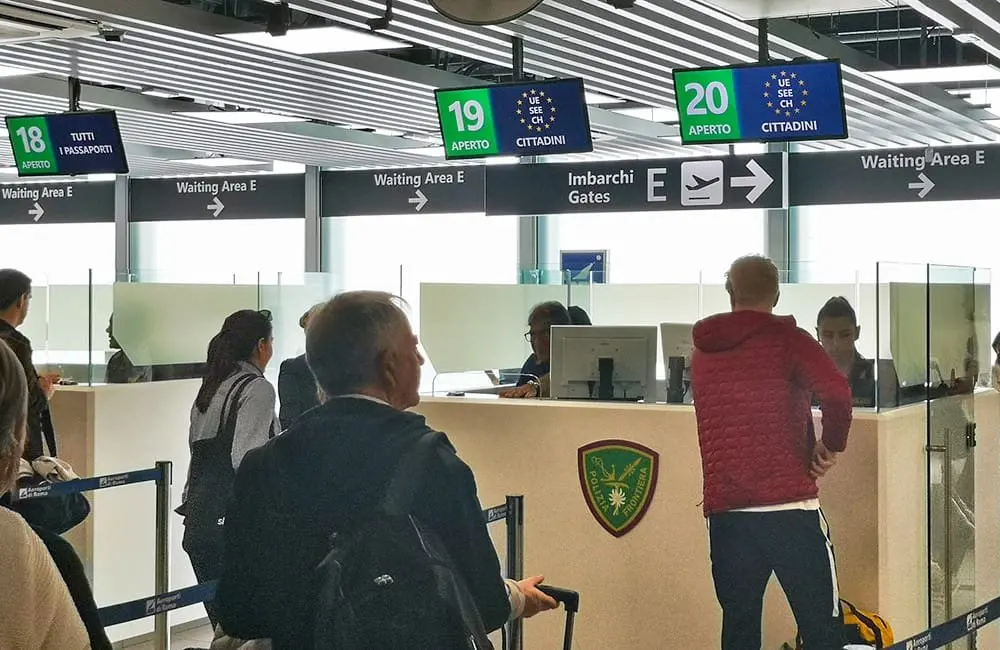
If you're flying around Europe this week, build in some slack. Italy's air traffic control staff — including workers at navigation provider ENAV and its tech arm Techno Sky — are staging a four-hour national strike on Wednesday, 30 September, from 1pm to 5pm local time. On top of that, separate local stoppages are planned at Milan Linate, Naples, Bologna and Bari.
There's some protection built in. Italy's civil aviation authority has published a list of guaranteed flights, and protected operating windows run from 7am to 10am and 6pm to 9pm. But don't assume a flight outside the strike window is safe: when aircraft, crews or passengers arrive late for their next leg, delays ripple through an airline's entire day. A four-hour stoppage can mean disruption well into the evening.
Italy isn't the only headache. Catania Airport only reopened on Tuesday after a three-day closure caused by volcanic ash from Mount Etna, with flights diverted across Sicily and thousands of travellers caught out.
France is dealing with its own wave of industrial action, and it's not limited to the skies — rail workers joined a wider strike this week as unions push back against the government's budget plans. Meanwhile the UK saw more than 1,000 flights cancelled earlier this month after an air traffic control systems failure, leaving hundreds of thousands of passengers scrambling.
And the calendar keeps filling up. easyJet cabin crew based in Portugal have voted to strike from 2 to 6 October, with flights from Lisbon, Porto and Faro in the firing line — and further action planned for December.
The takeaway for anyone travelling in Western Europe right now: disruption is stacking up fast, and it's spreading across modes — planes, trains and airports alike. A few habits will save you grief. Book morning flights where you can, since early departures are less likely to inherit delays from earlier sectors. Check your airline's app and the airport's website the night before you fly. Know your rights — under EU regulation EC 261, cancellations and long delays can trigger rebooking, meals, hotel accommodation and in some cases cash compensation, regardless of the cause being a strike. And if you've got a tight connection or an unmissable event, consider travel insurance that covers strike action, and look at alternative routes or ground transport before the day.
This is essential reading for anyone with a European trip in the next few weeks — especially if you're transiting through Italy, France or Portugal, where strike dates are already locked in. Flexibility is the best thing you can pack.