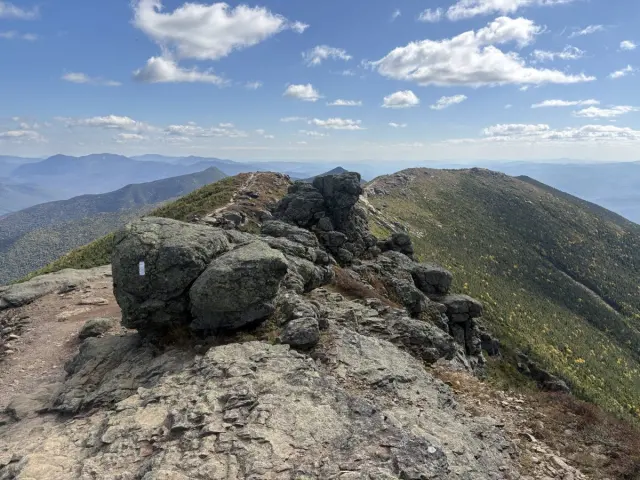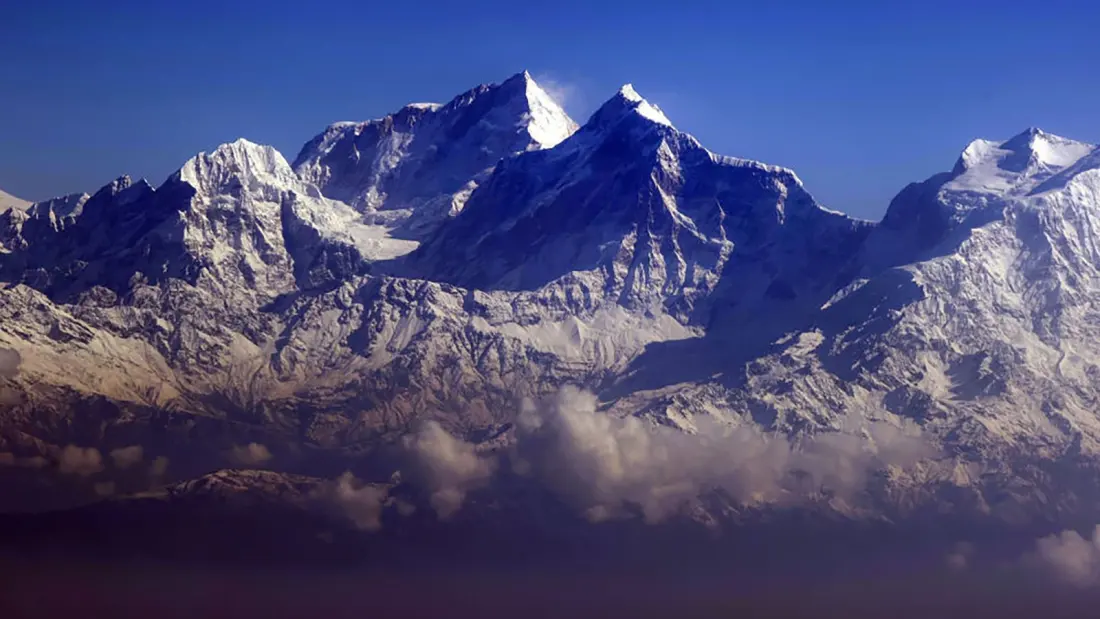
An avalanche swept through the base camp of Himlung Himal, a 7,000-metre peak in Nepal's Annapurna region, on September 26, killing at least four mountain workers and leaving 12 more missing under roughly 14 to 15 feet of snow.
The slide hit while people slept, covering tents and communal areas at the camp, which sits at about 16,000 feet on the mountain's eastern side. Volunteer rescuers from the Nepal National Mountain Guides Association dug through deep deposits but called off the search on September 29, saying eight people simply weren't enough to keep digging safely through snow that deep. Association president Tul Singh Gurung said finding the four bodies confirmed there were no survivors, and the search will resume later when conditions allow.
The disaster followed three days of heavy rain and snow as a tropical cyclone moved across Nepal. Climbers waiting out the same storm on Dhaulagiri, about 50 miles west, reported nearly seven feet of snow at their camp, with far more higher up. On Manaslu, operators saw the storm coming and pulled more than 490 paying clients plus hundreds of staff off the mountain before it hit — likely sparing that peak a similar tragedy. Gurung said some workers at Himlung tried to walk out mid-storm but had to turn back in the snow.
The scale of the potential loss is sobering. If the 12 missing are confirmed dead, this would rank among the deadliest Himalayan avalanches in recent memory, comparable to the 16 Nepali workers killed on Everest in 2014. Himlung Himal is a popular stepping-stone peak: guiding companies pitch it as a moderate-to-difficult 7,000er that aspiring Everest climbers tick before moving on to 8,000-metre mountains. Most of the victims were Nepali staff — 14 worked for outfitter Himalayan Holidays and two for Imagine Nepal, the company of veteran guide Mingma G, who led the search.
It's been a brutal stretch for Himalayan climbing and Nepal's tourism economy. Ten climbers, including well-known guide Nirmal Purja, died in an avalanche on Pakistan's Broad Peak in late July. August flash floods along the Bhote Khosi and Trishuli rivers killed around 1,400 people, many of them tourism workers, and four people died on Manaslu in mid-September. Gurung's message to anyone booking a Himalayan expedition is blunt: hire experienced, qualified guides even if it costs more, because the mountains will wait but poor decisions won't.
For travellers, the takeaway isn't to avoid Nepal — it's to book through reputable operators, watch how they handle weather calls, and understand that the local staff who carry, fix ropes and cook at high camps take on far more cumulative risk than paying clients. That's the story worth following as the season continues.