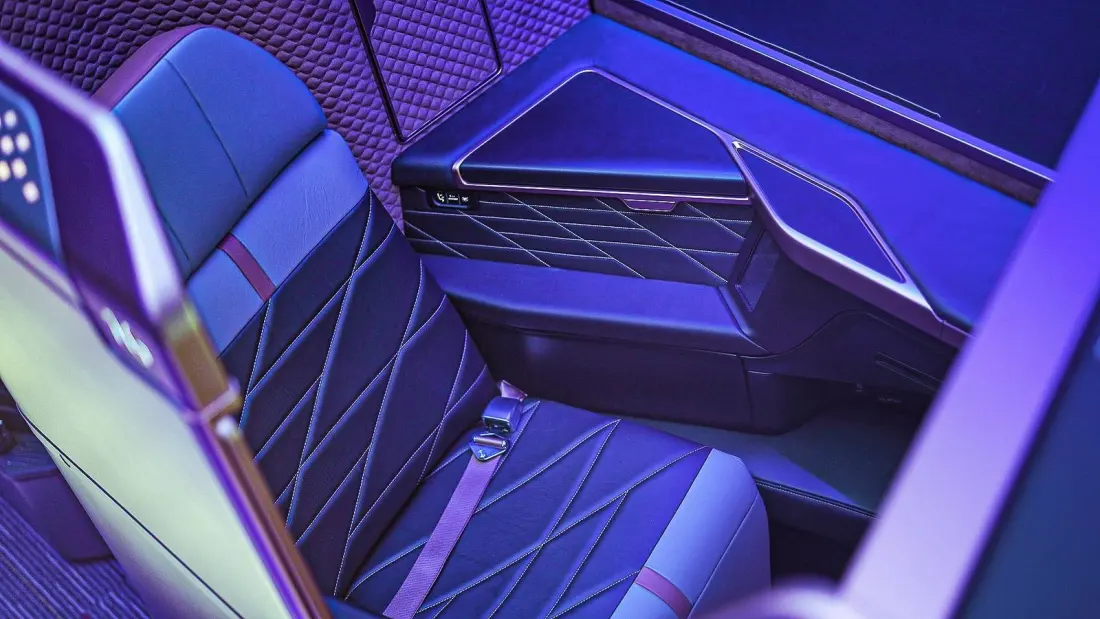
That empty business class seat you spotted at online check-in? It was probably never yours to have. Free upgrades feel random, but they're anything but — most major airlines now run fully automated systems that rank every eligible passenger before anyone steps near the gate, and the ranking rarely favours the occasional flyer.
First, forget the idea that charm or a smart outfit will get you moved forward. Gate agents have very little say. The system hands them a pre-ranked upgrade list, usually cleared in a window around 30 to 40 minutes before departure, so you don't even need to be standing at the desk when your name comes up. The exceptions are operational: if a no-show frees up a premium seat, an agent might manually assign it to the next person in line. At American Airlines, invite-only ConciergeKey members can start clearing upgrades up to 120 hours out, which tells you how far up the queue the top of the loyalty ladder sits.
Second, an empty seat on the seat map is not an upgradeable seat. Revenue management teams deliberately hold premium inventory for last-minute high-fare business travellers or paid upgrade offers. Delta says outright that seat map availability doesn't match upgrade availability, and American confirms some seats are held for sale only. Airlines use separate inventory buckets for this — on American, an economy-to-business upgrade needs specific 'C' inventory, which is why a seat can be purchasable but off-limits for free moves.
Loyalty status matters, but it's only the first filter. Airlines then sort by fare class booked, how much you've spent with them recently, when your request was entered (often automatically), and, at United, even whether you hold their credit card or have spent $25,000 a year on a co-branded one. Two Gold-tier passengers on the same flight can have wildly different odds purely because one bought a pricier ticket.
Money talks, too. Paid upgrades generally beat free ones, which is exactly why waitlisted passengers watch business seats fly out empty — British Airways sells airport upgrades first-come, first-served, and American prioritises paid and mileage upgrades over complimentary ones at the airport. Dynamic pricing is creeping in as well, with systems estimating each passenger's willingness to pay and adjusting upgrade offers accordingly.
Finally, travelling as a pair or a family works against you. Most systems clear companion upgrades only if seats exist for the whole party, so a solo traveller further down the list can jump ahead of a couple. American and Delta both confirm party-size rules on their sites — and splitting a reservation to get around it can cost the companion their benefits.
The practical takeaway: your realistic routes into business class are buying the fare, using miles, paying a last-minute upgrade offer, or building genuine status with one airline and booking higher fare classes. The complimentary upgrade for a special occasion is, for most travellers, a pleasant myth.