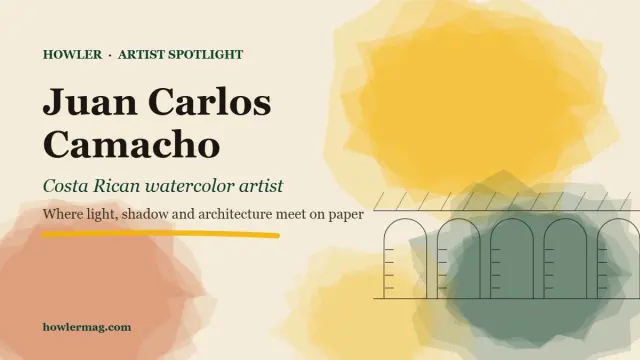
Costa Rica sells itself effortlessly: volcanoes, cloud forest, surf beaches, monkeys in the garden. But a thoughtful piece from Costa Rica's Howler magazine argues that the country's famous motto, Pura Vida, means something sharper for people who actually settle there — not a promise of paradise, but an invitation to accept the place as it really is.
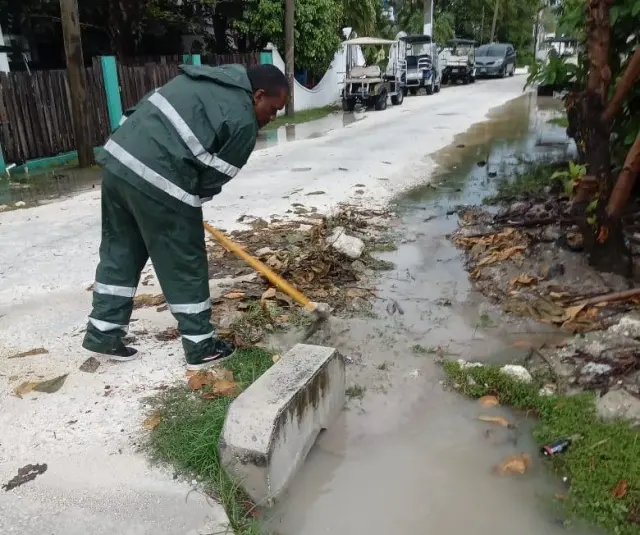
The gap between holiday and everyday life is where most newcomers trip up. On vacation you see the beaches and the friendly ticos; living there means bureaucracy that moves slowly, roadworks that never quite finish, and afternoon downpours that rewrite your schedule. The writer's advice is disarmingly simple: build in extra time, keep an umbrella in the car, learn back routes, and laugh when plans fall apart. Flexibility, it turns out, is the real entry requirement.
Money is another common misconception. Costa Rica is not automatically the cheap tropical idyll of popular imagination. Fresh local produce, buses and neighbourhood sodas remain genuinely affordable, but imported goods, cars, electronics and housing in sought-after areas can sting. The smarter question, the piece suggests, isn't 'is it cheap?' but 'is the lifestyle worth it?' — and for someone trading a bigger housing bill for ocean views and weekend volcano trips, the maths can look very different.
Safety gets a level-headed treatment too. Costa Rica doesn't demand constant vigilance, but ordinary awareness — watching valuables, securing your home, listening to local advice — matters, as it would anywhere. Millions of residents go about their days without incident; the goal is to live intelligently, not fearfully.
The most interesting thread is cultural. International tourism and investment have transformed neighbourhoods, and some towns now feel strikingly global. That's thrilling to some, nostalgic for others, and the magazine doesn't pretend there's an easy answer. What it does offer is a challenge to expats: don't recreate your old life in miniature. Learn Spanish, shop at local markets, show up to festivals, hire locally, volunteer, and make friends beyond the expat bubble. Costa Rica, it argues, benefits from people willing to learn rather than people who arrive with all the answers.
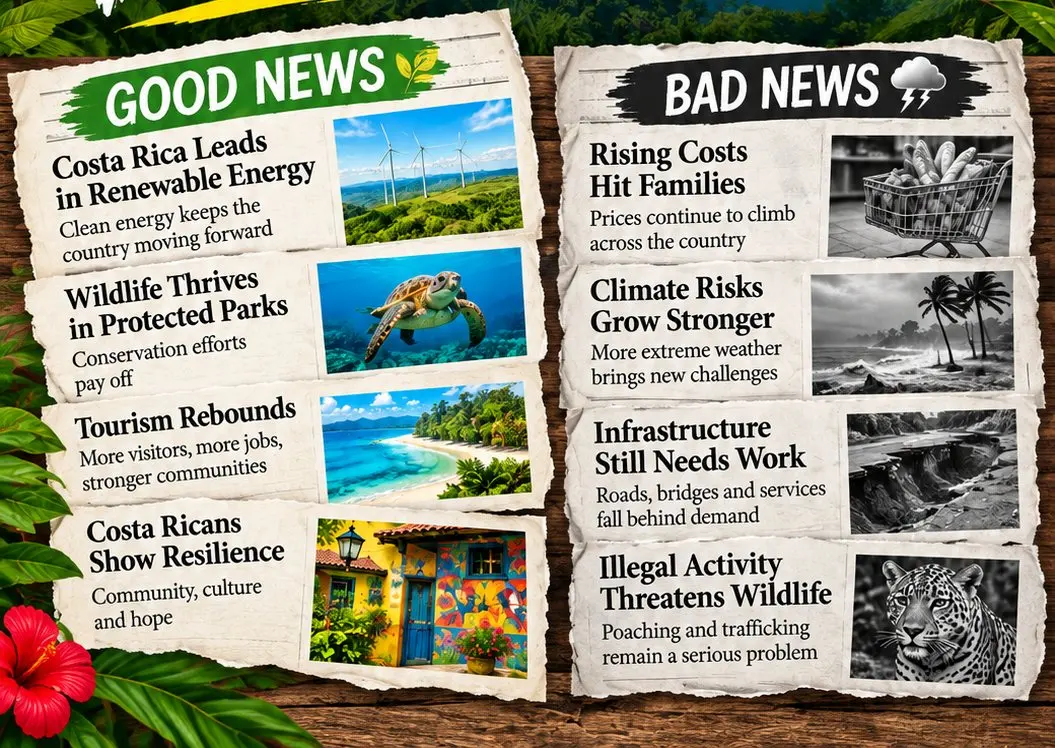
Why should a traveller care? Even if you're not planning a move, this is a useful reality check for anyone dreaming of a longer stay or a remote-work stint. The rainy season — often dodged by visitors — can be one of the most beautiful times of year. The country's strengths remain formidable: extraordinary biodiversity, serious conservation commitments, stable democratic institutions and solid healthcare. But you'll enjoy it far more if you stop comparing it to home and let it operate on its own terms.
The takeaway lands well beyond Costa Rica's borders. Pura Vida isn't a slogan promising perfection — it's a working philosophy: life is good, life is also real, and the people who thrive are the ones who participate rather than observe. That's decent advice whether you're staying a week or a decade.