Getting out of Iran has just become dramatically harder. In the space of a few weeks, fresh US sanctions on the country's aviation sector have grounded flights, cancelled routes with almost no notice and left travellers paying hundreds of extra dollars — or spending days on the road — simply to leave.
Treasury Secretary Scott Bessent announced the tightened restrictions last week as part of Washington's economic squeeze amid the Middle East war. The effects landed almost immediately. The UAE, Georgia and Azerbaijan have confirmed they suspended flights to Iran, while a Tehran travel agent reported halts to Baghdad, Muscat and Qatar as well. Oman and Türkiye have barred landings by Mahan Air, one of Iran's major private carriers.
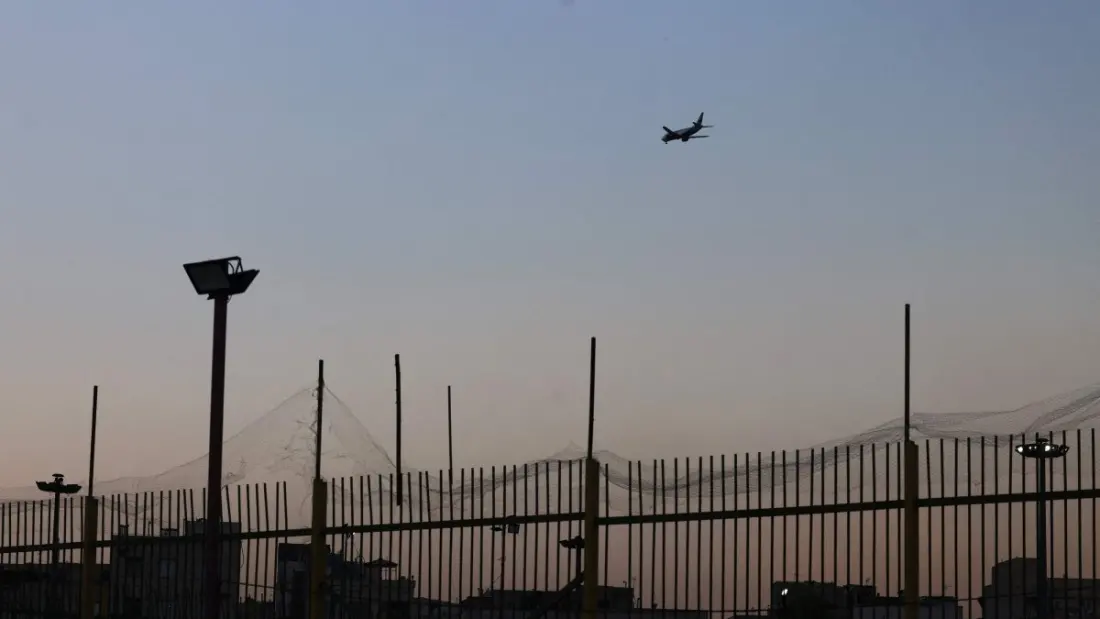
The scene at Tehran's Imam Khomeini International Airport, as described by an AFP reporter, was one of confusion: passengers crowding counters after a Dubai cancellation, luggage being dragged back off planes, and no airline staff able to say which flight — if any — would actually depart. Some travellers report having flight permissions pulled less than an hour before takeoff. In one striking case, a service heading to Dushanbe was forced to turn around midair after Turkmenistan denied it access to its airspace.
For many, the fallback is overland. One 49-year-old traveller, quoted under a pseudonym, described paying about $75 for a domestic flight to Tabriz, then planning several hours by road to the Turkish border, a hotel stop in Van and a potentially lengthy wait at the crossing — all to reach a flight to Paris she had originally booked via Istanbul. She and her brother are now spending hundreds of dollars they never budgeted for, and worry even the land border could close.
Those who can still fly face another problem: demand vastly outstrips supply. A 31-year-old passenger who made it out to Istanbul on a rare available flight said seats were nearly impossible to find because cancellations are frequent and everyone is competing for the same few departures. Routes to Afghanistan, Pakistan, China, Russia, Malaysia and Thailand remain open for now, though it's unclear which other countries will follow the sanctions and cut connections.
For readers, this is a reminder of how quickly air access can collapse in a sanctioned economy — and why anyone with connections to Iran, or transit plans through the region, should monitor airline and border notices closely and keep flexible, overland-friendly itineraries in mind.