A young girl handing a stranger two paper cranes at a rural temple tells you most of what you need to know about Shikoku. Japan's smallest and least populated main island is built around hospitality — and around one of the world's great walking routes.
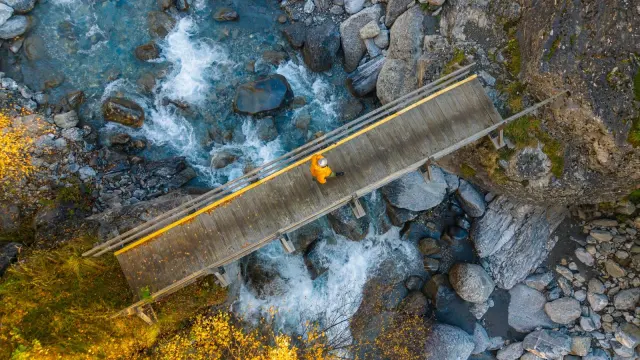
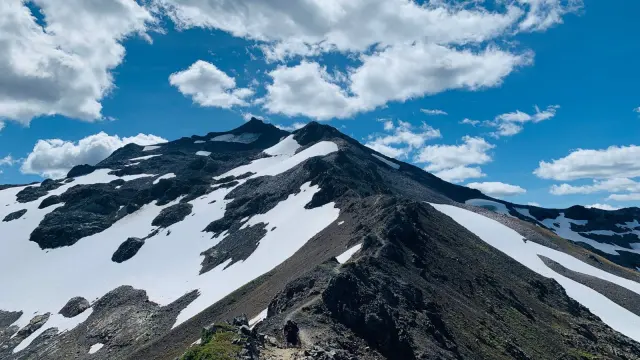
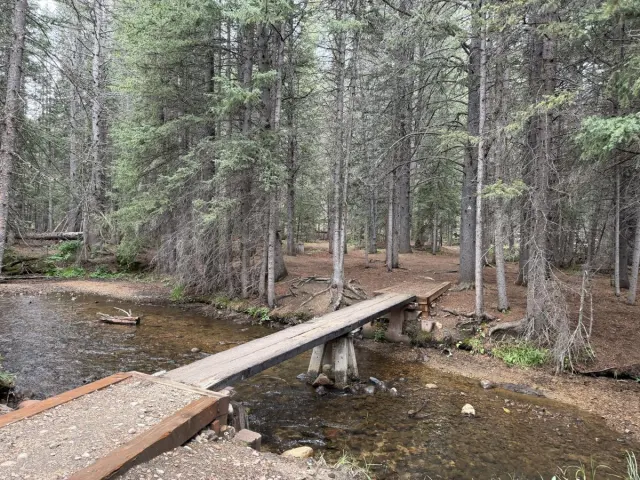
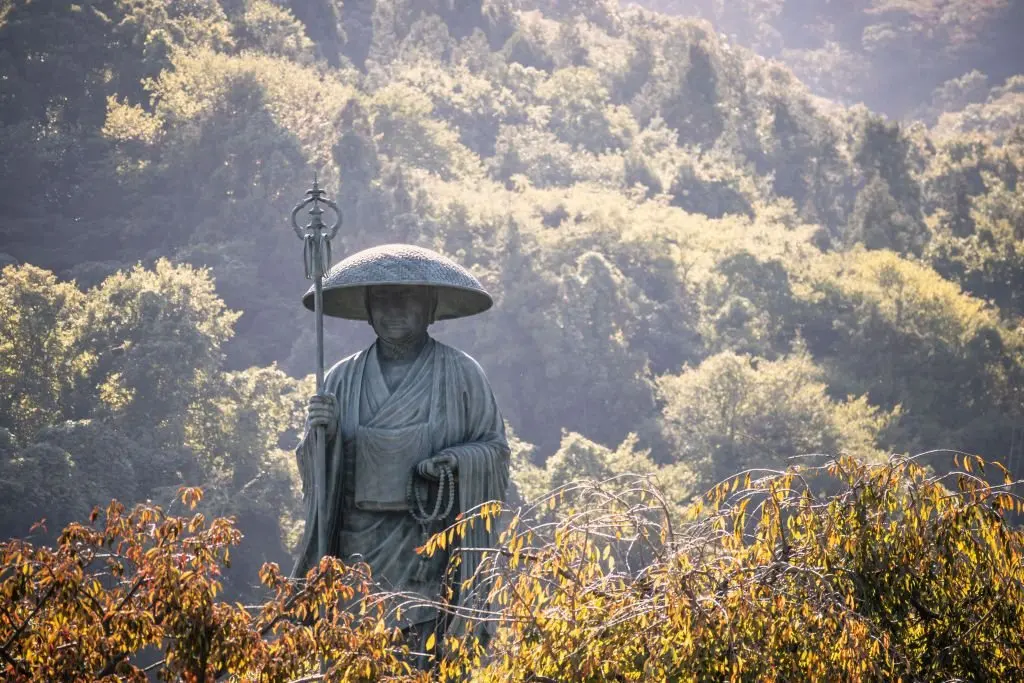
That route is the Shikoku Pilgrimage, a roughly 750-mile circuit linking 88 Buddhist temples associated with Kobo Daishi, the ninth-century monk who founded Shingon Buddhism. Between 100,000 and 150,000 people walk some or all of it every year, and the circuit took its full shape only in the late 16th to early 17th century. Roughly 80 percent is paved and passes through towns and farmland, but the remainder climbs steep mountainsides on dirt trails and ancient stone steps. Spring and autumn are the best seasons to go.
You don't need a month off. Many pilgrims — known as henro — tackle only sections, staying in ryokan, temple lodgings or family inns, most of which provide meals and some with hot-spring baths. A recent writer did a five-day self-guided stretch with Oku Japan, shipping her main luggage ahead by courier and walking with just a day pack. Along the way she joined morning meditation, ate rice, miso soup and salted fish with fellow pilgrims, and capped a day at Tairyuji Temple (Temple 21), a remote compound at nearly 2,000 feet with intricate carvings and a dragon painted on its ceiling — reached back down via western Japan's longest cable car.
What sets the island apart is o-settai, the local culture of helping pilgrims, rooted in the belief that Kobo Daishi may be walking among you in disguise. Strangers give you origami cranes, oranges, rides in the rain. One repeat pilgrim caught what locals call Shikoku-byo — 'Shikoku sickness' — and eventually moved to Japan.
The island's name means 'four countries', and its four prefectures each have a distinct character. Kochi, on the south coast, is a fruit powerhouse famous for tart yuzu; in the village of Umaji, you can soak in a yuzu bath and eat inaka sushi made with mountain vegetables. Kagawa is the 'Udon Prefecture', where visitors at Kotohira's Nakano Udon School stomp dough with their feet. Ehime has hot springs, including Dogo Onsen, which inspired the bathhouse in Spirited Away. Tokushima produces most of Japan's natural indigo and is home to Otani Ware, a pottery born from the pilgrimage itself — its 18th-century founder first arrived as a pilgrim. Naruto also has an unexpected WWII story: a POW camp where around 1,000 German soldiers were treated so well they taught locals to bake bread and brew beer, traditions some bakeries still sell today.
For travellers tired of Japan's big-city circuits, Shikoku offers forests, solitude and human warmth in roughly equal measure. Westerners are still rare here — but locals have been welcoming pilgrims for centuries, and it shows.