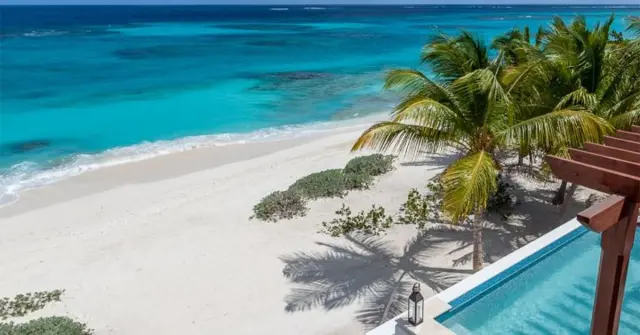
That Pacific sunset and the five-minute walk to the beach can turn a holiday into a life plan fast. And Costa Rica makes it genuinely easy to follow through: foreigners can generally own property with the same rights as citizens, whether it's a condo in Escazú, a finca in the Central Valley, or a surf-house project near Nosara. But a guide from Howler Costa Rica lays out where the easy part ends and the homework begins.
First, know what you're actually buying. The country's famous coastline is largely wrapped in the Maritime Terrestrial Zone: the first 50 metres from the high-tide line is public land, and the next 150 metres is restricted territory governed by municipal concessions rather than standard private title. A concession can be perfectly legitimate, but it isn't fee-simple ownership, the paperwork needs careful scrutiny, and rules for foreign owners are tighter here — as they are near borders and some protected zones. If a listing says "oceanfront," ask which of those categories it falls into before you fall in love.
Most purchases elsewhere are straightforward on paper. You can buy in your own name or through a Costa Rican corporation (an SRL or SA), the latter useful for multiple owners or estate planning, though it adds annual filings, taxes and beneficial-owner reporting. Either way, the guide's core advice is to hire an independent attorney — not the seller's contact — and run full due diligence through the National Registry: title history, cadastral survey, liens, easements, tax status, permits for any buildings. Two frequent tripwires deserve special attention. Access: a road you can drive may not be a road you legally have the right to use. And water: lush greenery doesn't guarantee a legal, reliable supply, so confirm the source and permits, especially for rural land with wells or springs.
Zoning is the other dream-shaper. That hilltop plot marketed as "development land" may not support the boutique hotel or rental villas you're imagining. Municipal plans, setbacks, density rules and agricultural subdivision limits all matter, and rental income comes with its own tax and condominium-rule realities.
On money: closing typically runs through a Costa Rican notary-attorney who records the deed in the National Registry, with funds moved via a reputable escrow. Budget beyond the sticker price for transfer taxes, registration, legal and escrow fees, plus ongoing municipal or condo obligations — and keep a healthy reserve for upkeep, because salt air, humidity and fierce sun make coastal maintenance a year-round job. The smartest owners, the guide notes, spend time in the area at different hours and seasons first, drive the access road after rain, and ask neighbours how the water holds up in the dry season.
For holidaymakers dreaming bigger than a two-week trip, this is the essential read: Costa Rica welcomes foreign buyers, but the difference between a confident purchase and an expensive lesson is patience, local advice and paperwork checked properly. Start with a scouting trip and build a local team before making any offer.