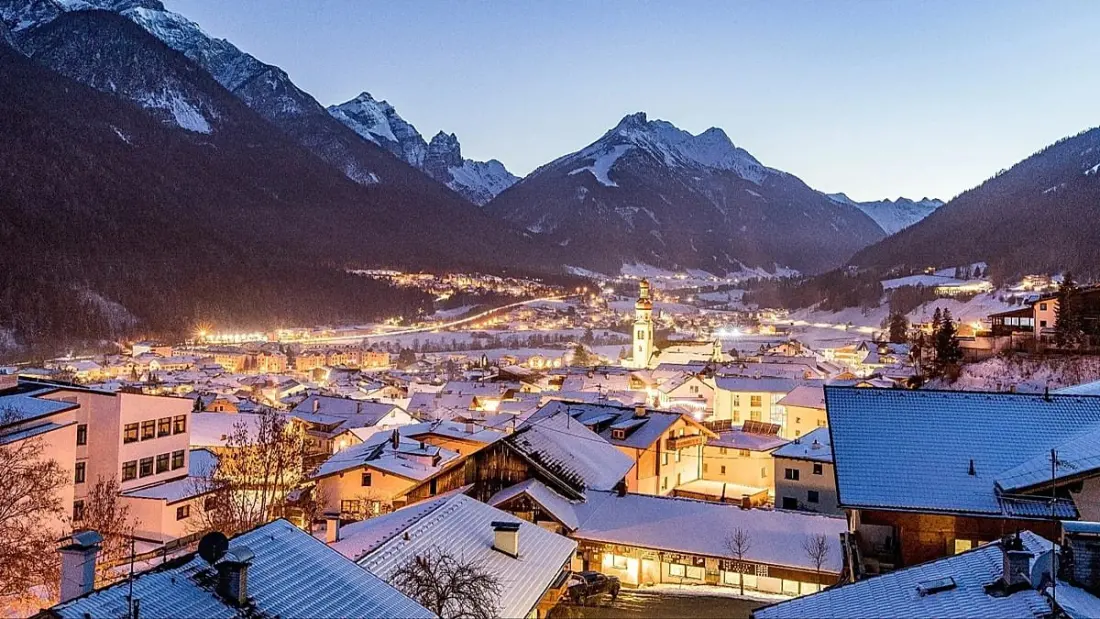
Winter is no longer the quiet season for European travel. Fresh research from the European Travel Commission (ETC) shows 76% of Europeans intend to take at least one overnight trip between October 2026 and March 2027, up three percentage points on last year.
The findings come from the ETC's biannual sentiment survey of 6,000 respondents across ten markets, including Germany, the UK, France, Italy, Spain and Poland. Demand peaks around Christmas — 23% are planning a festive-period trip, with visiting friends and family the main driver for 34% of December travellers. After a January lull, bookings climb again into February and March, when 29% expect to travel.
So where is everyone going? Intra-European travel dominates, with 64% of respondents staying on the continent and Southern Europe and the Mediterranean the top pick for 53%. The classic five — France, Spain, Italy, Germany and the UK — lead country lists, and per-market breakdowns confirm the pull: Spaniards favour France, the Dutch favour Spain, the French favour Italy. Western Europe is quietly gaining ground too, up five points year-on-year, attracting interest for beaches, culture and city breaks.
More interesting for anyone trying to dodge crowds: 54% of respondents say they're drawn to remote or lesser-known destinations, with the Netherlands, Switzerland, Poland, Belgium and Austria topping that list. ETC chief executive Eduardo Santander flagged this shift — plus the stronger off-peak demand — as a chance to spread visitor numbers more evenly and boost local businesses beyond the usual hotspots.
How people travel is changing as well. Single-destination stays remain the norm (60% of travellers), especially for beach holidays, ski trips and city breaks, though 36% plan to string together several cities within one country. Motivations skew heavily towards leisure (71%), with city breaks peaking in October and November and culture-and-heritage trips favoured in late winter. The experiences people want most: natural landscapes (19%), food (16%) and local culture (15%).
Budgets and trip lengths are creeping up. Most respondents plan to spend €501–€1,000, while sub-€500 trips fell three points. Four to six nights is still the sweet spot (43%), but longer stays of seven to twelve nights have grown to 32%. More people are also booking early — 38% have already locked in some or all of their next trip, a 5% rise.
It's not all optimism. Money worries top the list of concerns (37%), followed by geopolitical instability (23%), while extreme weather and overcrowding register but rank lower. Safety is the single biggest factor in destination choice at 20%, with Polish, British and Spanish travellers the most safety-conscious markets.
For travellers, the takeaways are straightforward: book sooner rather than later, consider February and March for better availability, and look beyond the Mediterranean classics — Switzerland, Poland and Austria are where the crowd-avoiders are headed. For the industry, the message is that demand is strong but price-sensitive, and the appetite for lesser-visited places is a genuine opportunity.