Most people injured or killed by wild animals never left home. That is the uncomfortable pattern behind this week's wildlife incident roundup: farmers, herders and villagers living on the edges of forests and parks bear the brunt, not tourists. Still, the stories carry useful lessons for anyone heading into regions where big animals roam.
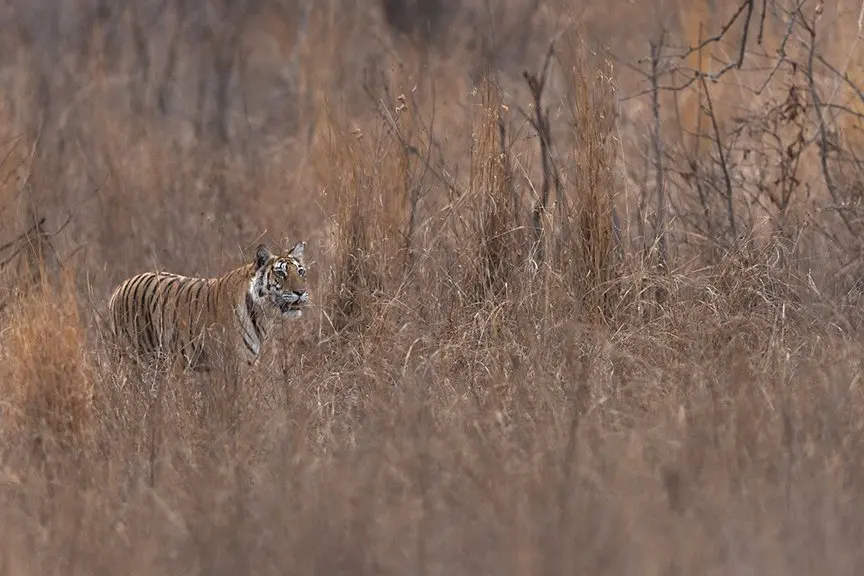
In Maharashtra, India, a single tiger is suspected of killing two farmers within 24 hours during the rice harvest, when people work fields that press right up against forest edges. Officials say 35 people have now died in human-animal conflicts in that corner of the state alone this year. Elsewhere in India, a man in Jharkhand was seized by an elephant from a 23-strong herd that had been raiding crops, dragged 500 metres and trampled — despite forest officers warning residents to keep away.
Japan's bear problem shows no sign of easing. A 93-year-old woman survived a bear attack in her own garden in Yamanashi Prefecture, west of Tokyo, with facial injuries and a broken leg. The area is under such pressure that hunting association members patrol locally and children are bused to school, with officials telling residents to skip unnecessary trips.
Africa saw a cluster of tragedies. A 65-year-old open-water swimmer died after a shark attack off South Africa's Eastern Cape, prompting a beach closure — though attacks there remain rare, with 29 unprovoked bites recorded nationwide over a decade, six of them fatal. Kenya lost two men in separate elephant encounters in grazing and water-gathering areas, and in Uganda, six buffalo that wandered out of a national park gored a 36-year-old man to death. Officials there link the problem to prolonged drought, which is pushing wildlife out of protected zones in search of water and grazing — and into villages.
In the United States, a woman walking her dog in her Washington state garden was knocked down and mauled by a black bear, possibly a mother with cubs, before escaping inside and calling for help. Wildlife officials stressed she had done nothing wrong.
Why should travellers care? Because the same forces behind these incidents — drought shrinking habitat, animals adapting to human areas, harvest seasons overlapping with wildlife corridors — shape the places visitors go too. Bear regions of Japan are dealing with an unusual attack spike that affects hikers and rural stays. Indian tiger reserves border the same forests where villagers farm. And shark swimming groups operate off the very beaches now closed in the Eastern Cape.
The takeaway is simple rather than scary: check local advisories before hiking or swimming, take official warnings seriously (some of the victims had been told to stay clear), be extra alert at dawn and dusk, and never approach wild animals — even herbivores like buffalo and elephants cause far more deaths than most people assume. For travellers staying in gateway towns near parks, the risks remain small, but awareness of what is happening on the ground is part of travelling well.