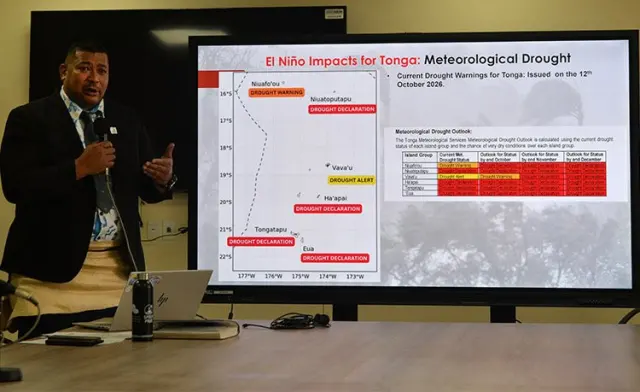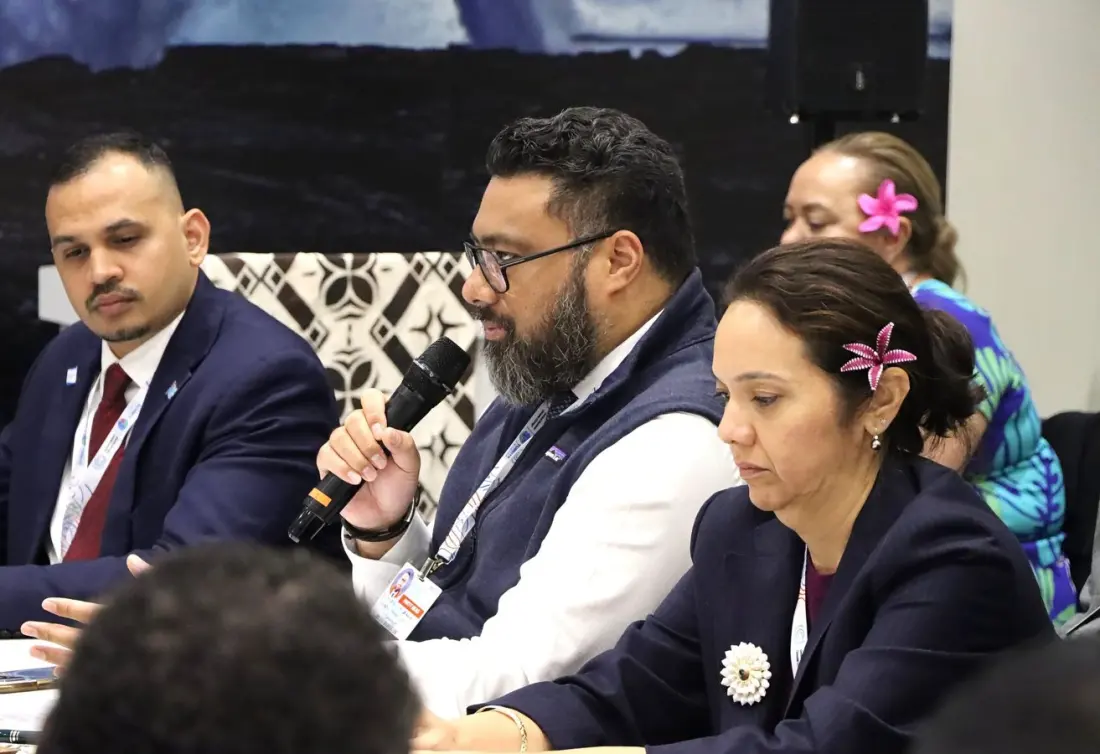
Tonga has formally declared drought on most of its islands, and the outlook is grim: the country's meteorological service expects a very strong El Niño to keep conditions dry through June next year, peaking around December 2026. Prime Minister Fatafehi Kinikinilau Lolomana'ia Fakafānua has taken the message straight to COP31 in Antalya, where Pacific leaders are pushing wealthier nations to hold the 1.5°C warming limit, boost climate finance, and take the ocean-climate link seriously.
The immediate problem is water. Tonga's government is rolling out short-term relief for affected communities, but the longer-term fix is structural — desalination plants and renewable-powered water systems, so the kingdom isn't trading water security for costly imported diesel. That fits neatly with Tonga's new national climate targets: 70% renewable electricity by 2030, 100% by 2035, and a pledge to plant a million trees.
The meteorological service has also flagged a double threat. Alongside the drought, cyclone risks remain, and businesses, communities and government agencies are being urged to prepare now. It's a stark illustration of the Pacific's position — nations contributing almost nothing to global emissions, yet facing some of the sharpest consequences.
For anyone with Tonga on the travel list, this is worth factoring in. The kingdom is one of the few places on earth where you can swim with humpback whales, and it remains a rewarding, low-key destination. But water restrictions can affect everything from guesthouse showers to tap water safety on outer islands, and a cyclone season overlapping with drought conditions means flexible plans matter. Check advisories before you go, travel with refillable containers and water purification as backup, and favour locally owned operators — your money goes further in a country stretched thin by climate pressures.
Tonga's leaders argue that renewables are already the cheaper option, not just the greener one. Whether the rest of the world moves fast enough may determine how much of life on these islands — and the tourism that depends on it — stays intact.