A little-known livestock virus has made an unexpected jump into the human population. In August, France recorded the first documented human infection with the Shamonda virus (SHAV) — a pathogen previously thought to affect only animals such as cattle, sheep, goats and horses. The patient, who was already being treated for a serious illness, died in early October, though it remains unclear how they caught the virus or whether it was the direct cause of death. The European Centre for Disease Prevention and Control is monitoring the situation closely.
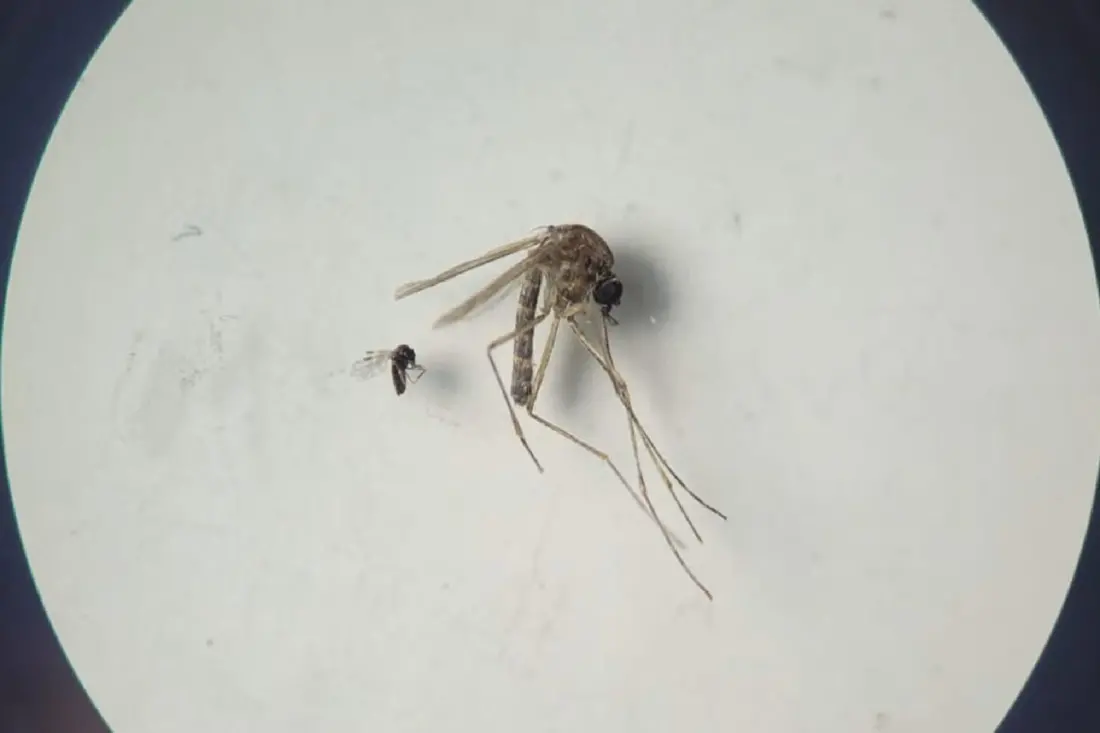
The virus is believed to spread among animals through the bites of Culicoides biting midges, tiny insects common in many parts of the world. The World Health Organization confirms that just one human case has ever been reported — so this is a genuinely novel event, not an outbreak.
Naturally, the question arises for anyone travelling further afield: could it reach the Americas? Jairo Mendez Rico, a viral diseases advisor at the Pan American Health Organization, says there is currently no evidence of the virus circulating anywhere in the region — no human cases, no detections in animals. While an introduction can't be ruled out entirely, he puts the probability as very low given what's known so far.
Biting midges of the Culicoides genus do live across the Americas, but their presence doesn't automatically make them carriers. Mendez Rico stressed that there's no evidence the species found in the region can actually transmit Shamonda, and more research is needed to establish which insects spread it at all. He also cautioned against reading too much into the French case: the patient had a severely compromised immune system, so it's impossible to extrapolate how the infection might behave in healthy people.
The Americas, in any case, are well drilled. Regional surveillance networks were sharpened during recent responses to the Oropouche virus — another Orthobunyavirus carried by the same midges — and countries retain the entomological expertise needed to investigate unusual events quickly. There's no specific diagnostic protocol yet for Shamonda in the region, which is one gap PAHO wants to keep an eye on.
For now, the bottom line is calm: PAHO sees no indication that Shamonda poses a current public health threat in the Americas. The organisation's advice is simply to maintain integrated surveillance under a One Health approach — watching humans, animals and insect vectors together, since their health is interconnected.
What does this mean for travellers? Practically, nothing needs to change. There's no travel advisory, no evidence of transmission beyond this single, immunocompromised patient, and no indication that midges in the Americas or elsewhere pose a Shamonda risk. Standard insect-bite precautions still make sense in midge-prone areas, as they always have — those insects transmit other diseases such as Oropouche in parts of Latin America. If you're immunocompromised or planning remote travel, routine pre-trip health advice remains your best safeguard. This is a story to be aware of, not alarmed by — and one worth checking back on as scientists learn more about a virus that has, for now, made itself known exactly once.
Original report: Colombia One