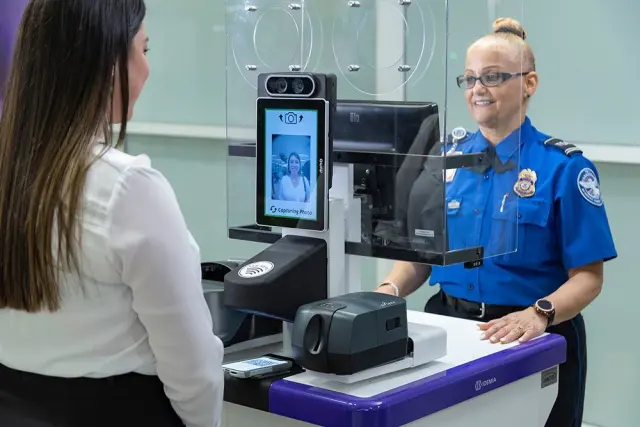
A quiet but noticeable change is rolling out at American airport security: Transportation Security Administration officers checking passenger IDs will no longer be allowed to sit down. Chairs are being physically removed from checkpoints across the country, according to the union that represents screeners, and the TSA has confirmed the new standing-only policy.
The agency frames it as a win for travellers. Officers on their feet, the TSA argues, stay more alert, which sharpens both security and the quality of the passenger interaction. Its statement tied the move to fitness-for-duty requirements, implying that anyone who needs a chair to verify IDs may not be up to the job. The American Federation of Government Employees TSA Council 100 sees it very differently, calling the ban a disregard for workers' rights and pointing out that staff spend entire shifts standing and walking on hard floors — seating, the union says, is basic ergonomic support, not a luxury.
For passengers, the immediate effect should be minimal. Checkpoint procedures themselves haven't changed: you'll still show your ID or passport at the travel document check before moving to the X-ray and body scanner lines. Wait times won't shrink or grow because of this alone, though it's worth knowing the context in which it arrives.
That context is turbulent. The change lands as the 60,000-strong agency faces proposed cuts of more than 9,400 jobs and roughly $1.5 billion — about 20 percent — from its annual operating budget, under plans floated by President Trump in April. A parallel proposal would push smaller airports towards private security screeners, trimming more than 4,500 federal jobs; around 20 airports, including San Francisco, Kansas City and Sarasota, already use private screeners. Leadership has been in flux too: David Pekoske was fired on Trump's first day in office in 2025, the post sat empty for 16 months, and former Serco executive David Cummins was confirmed as the new TSA head in August. Earlier this year, a federal government shutdown left 50,000 TSA employees working unpaid for six weeks, producing security lines that stretched past four hours at some airports.
Why should travellers care? Two reasons. First, it's a signal of how US airport staffing and morale are being managed right now — and frazzled or stretched checkpoint staff can mean slower, less forgiving security experiences. Second, it's a reminder to build buffer time into US travel plans, especially during any future funding standoffs. If you're flying domestically in the States this year, arrive at the airport with the usual two hours for domestic flights — more from hubs like Atlanta, Denver or JFK at peak times — and keep an eye on airport wait-time trackers before you leave for the terminal.
The policy is being implemented now, so don't be surprised if your next interaction with a TSA document checker is conducted by someone on their feet, smiling or otherwise. CNN first reported the change.