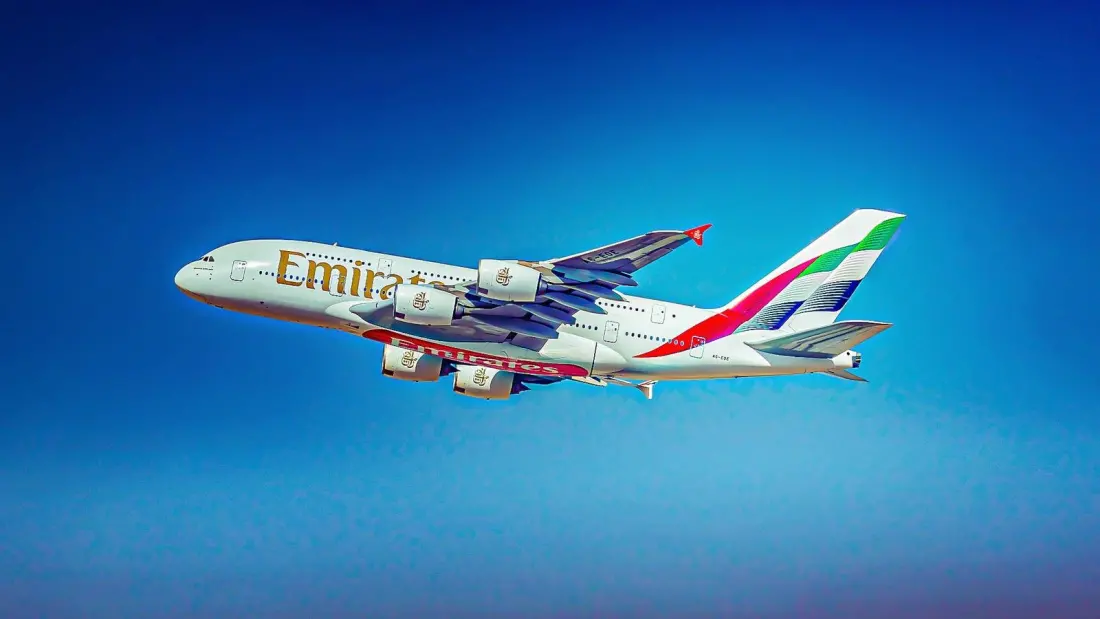
When the US Federal Aviation Administration halted every departure in the country on Friday, most airlines went quiet. Dubai's Emirates went the other way, posting on X: 'Your email might be down, but the skies are always open' — a cheeky dig at both the FAA meltdown and the separate Microsoft cloud outage that had knocked Outlook, Teams and Microsoft 365 offline for millions of users across 74 countries. The airline followed up with a 'was it something we said?' The post has already pulled more than 613,000 views on X, though it landed with a thud on Facebook at just 2,400 likes.
The joke had some bite behind it. The FAA ordered the ground stop after a malfunction in an L3Harris router took down its air traffic control network, grounding thousands of aircraft and blocking any flights departing to, from or within the United States. Nothing on that scale has happened since 2001 — the only comparable recent events were a brief halt in January 2023 caused by a failure in the Notice to Air Missions system, and the shutdown after September 11. Departures resumed at 8:15 PM EST, but by then thousands of flights had been cancelled across Friday and Saturday, with delays expected to linger as US carriers work through the passenger backlog.
Emirates felt the ripple effect too. US-bound services from Dubai were held at the gate until clearance came through, and the Microsoft outage separately disrupted the airline's own internal email, office tools and customer support channels. Still, the damage was mild by comparison: flights already in the air were allowed to land, US-bound services operated with only slight delays, and Emirates — along with Gulf neighbours Etihad and Qatar Airways — avoided the mass cancellations and crew timeouts hitting American carriers.
For context on the airline doing the teasing: Emirates runs more than 3,600 flights a week from Dubai International Airport, over 500 a day, and is the world's largest operator of both the Airbus A380 and Boeing 777, alongside its newer A350s.
Why should travellers care? Partly for the spectacle — a nationwide ground stop is vanishingly rare — and partly for the practical lesson baked into it: when US air traffic control hiccups, the disruption travels globally, touching even long-haul carriers half a world away. If you're flying transatlantic or to the US from the Gulf or Europe during any future FAA technical trouble, expect holds at the gate rather than cancellations, but build buffer time into connections and keep an eye on airline notifications. And if the airline's social team is feeling bold, you might even get a joke out of it.
Simple Flying