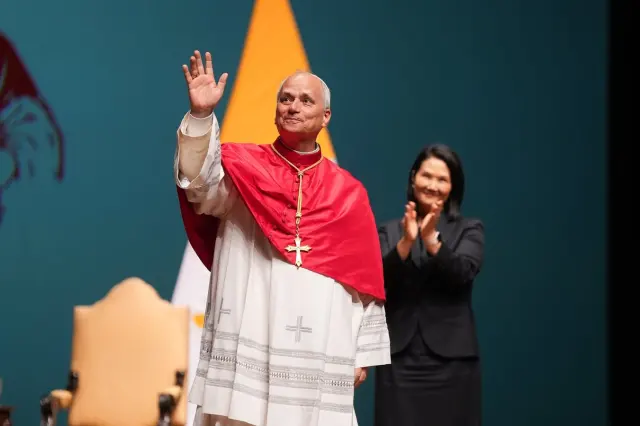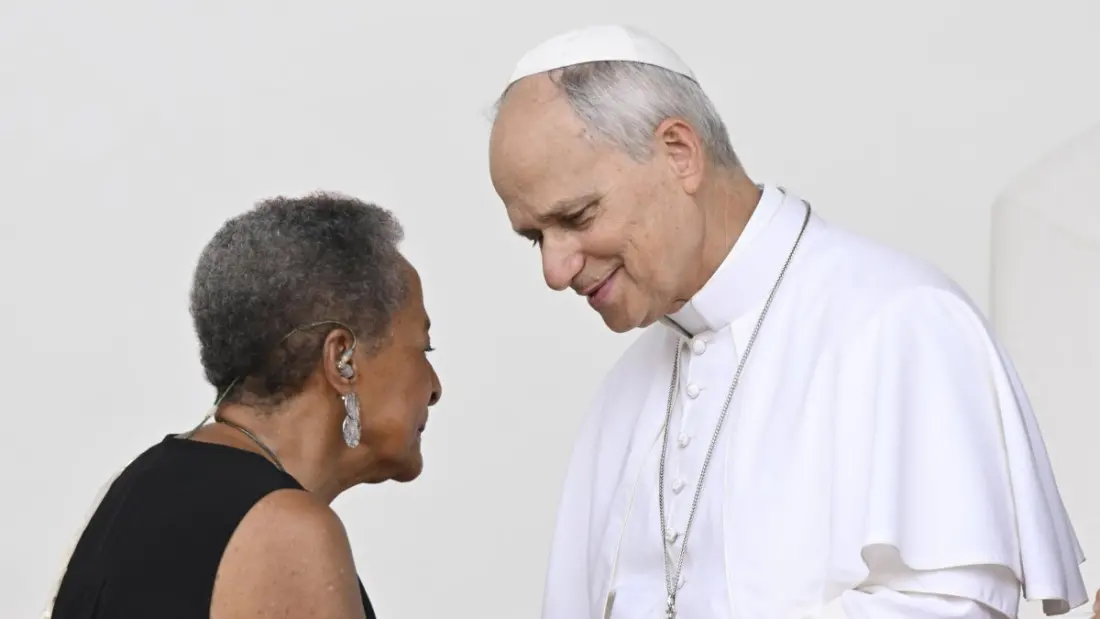
Pope Leo XIV is back in northern Peru this Saturday, and his stop in Zaña — a small town in Chiclayo province that he knew well as bishop of nearby Chiclayo — is putting one of South America's most overlooked communities on the world stage. The pontiff will lead a prayer service at the sanctuary of St. Turibius of Mogrovejo, the 16th-century Lima archbishop remembered for defending Indigenous people and enslaved Africans, and who confirmed St. Martín de Porres, the first Black saint in the Americas.
The visit carries weight beyond ceremony. Earlier this year, in his first encyclical "Magnificent Humanity," Leo issued a formal apology for the Vatican's historical role in legitimising slavery, including 15th-century papal decrees that authorised European conquest and enslavement of non-Christians. For Peru's Afro-descended community — descendants of roughly 100,000 enslaved Africans brought by Spanish colonisers to work sugar plantations and silver mines — the gesture resonates. At one point, enslaved Africans and their descendants made up over 40% of Lima's population; today Black Peruvians are a small minority among the country's 35 million people and still face barriers to advancement more than 170 years after emancipation.
The visit's cultural centrepiece: Latin Grammy-winning singer Susana Baca, Peru's first Black Cabinet minister, performed for the pope, choosing songs of faith and forgiveness. Locals point out Leo himself is the first pope with Black ancestry — all four of his maternal great-grandparents were recorded as "free people of colour" in 19th-century Louisiana, making his maternal line Creole.
Why should a traveller care? Zaña earned UNESCO recognition in 2017 as a "site of memory of slavery and African cultural heritage" — reportedly the first such designation for an Afro-descendant community on South America's Pacific coast. The town's Afro-Peruvian museum is a genuinely worthwhile stop: historical photographs, plantation carts, African-origin percussion instruments from Peru, Cuba and Brazil, documents relating to enslaved people, and actual shackles. Its walls also carry photos of Leo's visits as bishop, alongside portraits of Barack Obama and Nelson Mandela.
Zaña sits in the Lambayeque region, home to 78,639 people who identified as Afro-Peruvian in the 2017 census (1,311 of them in Zaña itself). The area rewards visitors beyond the museum — it's a short hop from Chiclayo, gateway to the Moche-era royal tombs of Sipán and the excellent Túcume pyramids. Combined with Afro-Peruvian music and food traditions, this corner of northern Peru offers a cultural itinerary that few international travellers bother with. The pope's visit may change that.
Story via Daily Sabah Travel