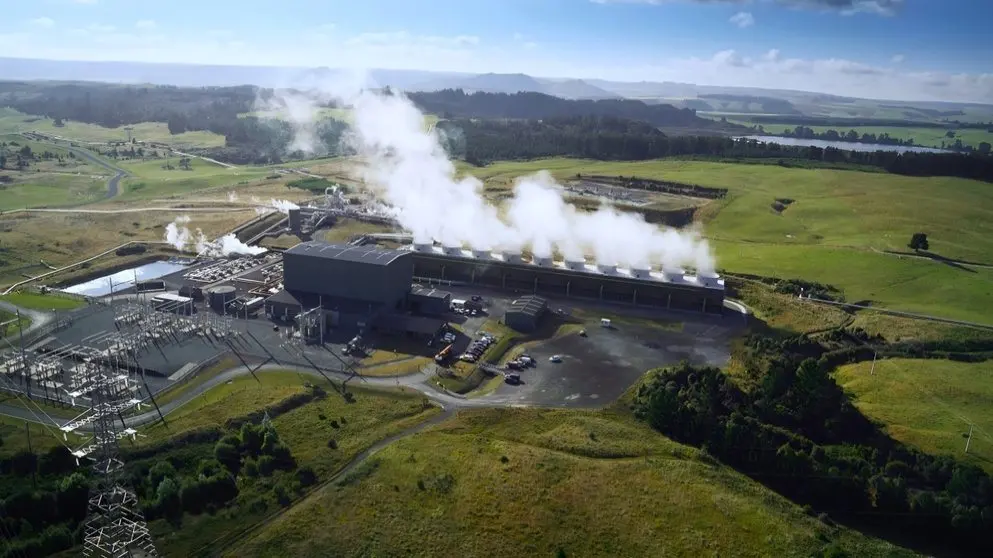
Türkiye sits on one of the world's great geothermal endowments, and according to Marit Brommer, chief executive of the International Geothermal Association, the country now ranks fourth globally and first in Europe for installed geothermal electricity capacity. Speaking ahead of COP31, she argued the summit is a chance for Türkiye to export its know-how to emerging markets across Central Asia, the Balkans and Africa.
What's less often reported is that Türkiye's geothermal story is not just about megawatts. Brommer highlighted the diversity of applications — district heating, agriculture and local economic development — and that mix is exactly what makes the country's thermal regions interesting to travellers. Much of the capacity is concentrated in western Anatolia, in provinces like Denizli, Aydın and Manisa, where hot water has been drawn from the ground for thousands of years.
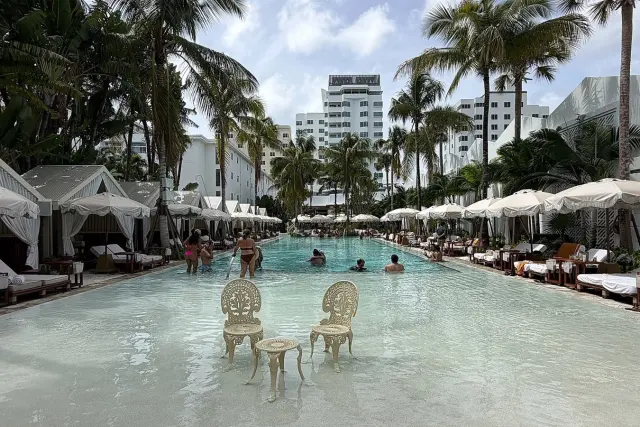
The most famous example is Pamukkale, the white travertine terraces formed by calcium-rich thermal waters, with the ruined Roman spa city of Hierapolis perched above them. Visitors have bathed in Cleopatra's Pool there, swimming among toppled ancient columns. Further south and east, the town of Sarayköy and the districts around Aydın feed modern spa hotels that run their heating and pools directly on geothermal water — a working example of the direct-use systems Brommer wants the world to notice.
Her broader point is that geothermal should be judged by the value it creates for communities, not just electricity output. In Türkiye's case that value shows up in greenhouse-heated agriculture in the Gediz Valley, in district heating networks in towns like Kırşehir and Afyon, and in a domestic thermal tourism industry that draws millions of visitors, particularly for wellness and medical spa stays. Afyonkarahisar, a short drive from İzmir or Ankara, has built an entire hotel scene around its hot springs.
For the travel industry and destination planners, the takeaway is that low-carbon heating is becoming part of a destination's appeal. A hotel warmed by the earth beneath it, fed by water that has been used for bathing since Roman times, is a story travellers increasingly want to hear — and Türkiye has more of those stories than anywhere else in Europe.
For Brommer, COP31 is about turning technical expertise into policy and investment. For travellers, it is a reminder that some of the world's most interesting sustainable-energy infrastructure is also somewhere you can take a very good bath. Source: Daily Sabah Travel.