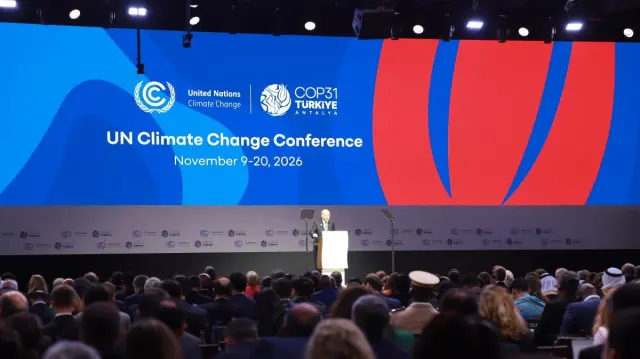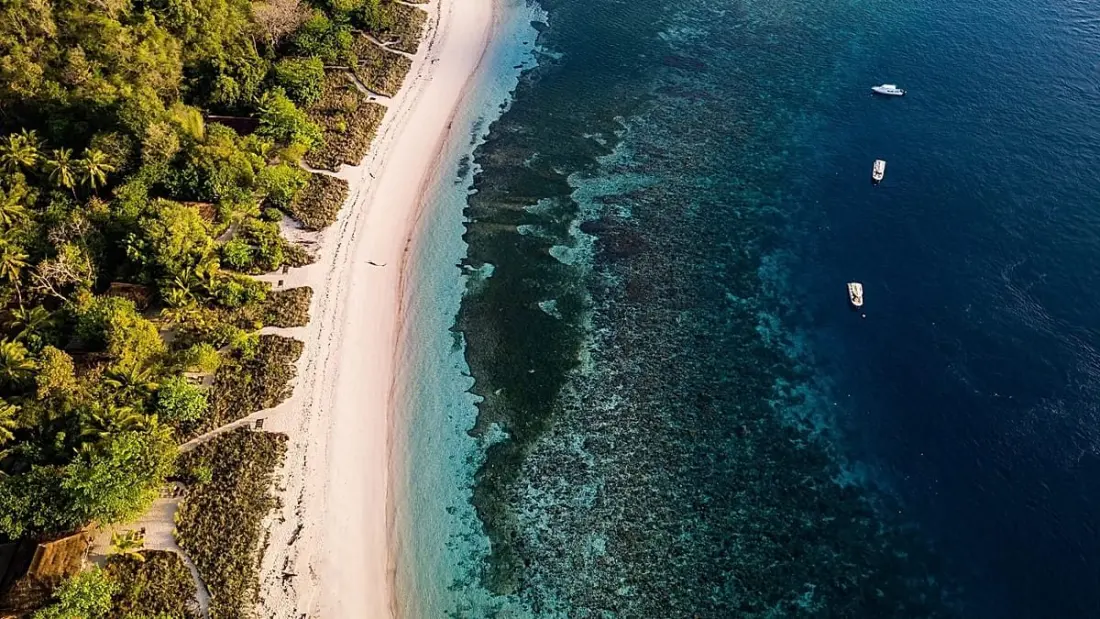
The beaches, reefs and harbour towns that fill our holiday photo albums just got a new line of defence. At COP31 in Antalya, Türkiye, the World Travel & Tourism Council (WTTC) used the summit's Ocean Day to launch the Ocean Catalyst Group, a voluntary coalition of tourism businesses aimed at protecting the coastal and marine destinations that millions of trips depend on every year.
The numbers behind the initiative are striking. Coastal and marine tourism generated roughly $3.3 trillion (€3 trillion) in global GDP in 2023 and supported around 100 million jobs when supply chains are counted in. But all of that rests on ecosystems that are under growing pressure — warmer seas, eroding shorelines and stressed communities. The WTTC's argument is simple: if the natural assets degrade, the jobs, businesses and the holidays themselves go with them.
So what will the new group actually do? It plans to connect the private sector with governments, financiers and insurers, identify shared priorities and channel investment into resilience projects that protect coastal assets and keep destinations open for business. WTTC President and CEO Gloria Guevara framed it as a way to move from pledges to concrete spending, noting that businesses, governments and financial institutions working together can accelerate investment where it's needed most.
The launch ties into a wider effort called the Coastal Tourism Breakthrough, part of the Ocean Breakthroughs initiative, which is calling for $30 billion (€27.31 billion) a year by 2030 to help cut coastal tourism emissions in half. Announced alongside the group was something more immediately practical: the Coastal & Marine Tourism Public-Private Sector Playbook, developed by the WTTC with Iberostar Hotels & Resorts, Intrepid Travel and the Ocean & Climate Platform. It offers hands-on guidance for how tourism operators can adjust their operations and supply chains, plus a roadmap for how governments can back them up.
For travellers, this matters more than it might first appear. The places most vulnerable to climate pressures — low-lying islands, coral reef coasts, fishing towns turned resort hubs — are exactly the ones on many bucket lists. Initiatives like this one are the difference between those destinations still existing in a decade and becoming cautionary tales. It's also a signal that major operators are being pushed to clean up how they run hotels, tours and supply chains in fragile coastal spots, which should eventually translate into better choices for anyone booking a beach holiday.