Airlines plan their fleets decades ahead, and when those bets sour, it's passengers who feel it — grounded planes, cancelled routes and, in the worst cases, airlines that simply stop existing. A recent roundup of the industry's most costly fleet mistakes shows just how fast a multi-billion-dollar plan can unravel.
Japan's Skymark Airlines learned the hard way about currency risk. In 2011 the low-cost carrier ordered four Airbus A380s — later six — to pivot into premium international flying, paying in US dollars while earning in yen. When the yen slid sharply, the jets became unaffordable. Airbus cancelled the order and pursued legal action, and Skymark filed for bankruptcy protection in 2015.
Spirit Airlines put all its eggs in one engine basket. The US ultra-low-cost carrier's A320neo fleet runs entirely on Pratt & Whitney's Geared Turbofan, and when a sweeping safety recall hit, roughly three dozen jets were parked and all 79 of Spirit's engines eventually faced removal for inspections taking up to two years each. Compensation worth up to $195 million couldn't keep the airline aloft: AerCap cancelled leases for 36 aircraft, and Spirit fell into its second Chapter 11 bankruptcy in under a year, with Cirium data showing just 13 A320neos flying against 49 in storage.
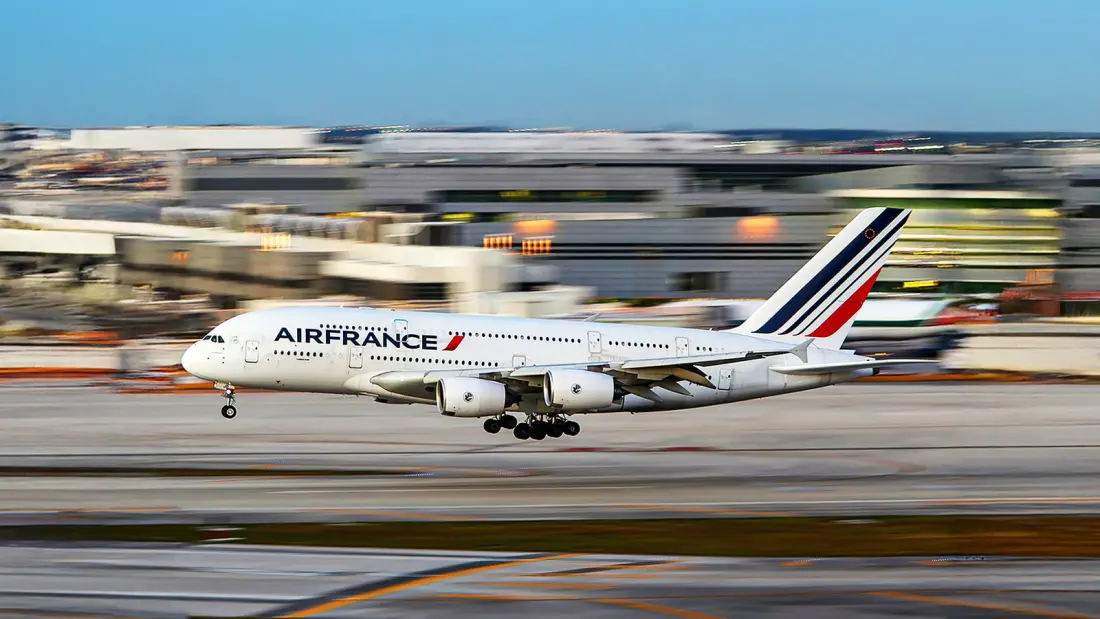
Air France's problem was geography rather than bad luck. Its ten A380s were loved by passengers but only made sense at slot-constrained hubs like Heathrow. Paris Charles de Gaulle had plenty of takeoff and landing slots, so smaller, cheaper twinjets — notably the A350 — always made more money. CEO Benjamin Smith later confirmed the pandemic-era retirement in 2020, which made Air France the first airline to permanently retire the type, was a straightforward return-on-investment call, not just a lockdown casualty.
Southwest Airlines has now waited 13 years for the Boeing 737 MAX 7, which only recently received US certification. Stuck without its planned 737-700 replacement, the airline keeps ageing jets flying at real cost, with first deliveries now expected in late 2026. Lufthansa, meanwhile, signed up as launch customer for Boeing's 777-9 and its Allegris premium cabin, originally due in 2020. The jet is at least seven years late, forcing Lufthansa to fly 26-year-old 747-400s as stopgaps and launch Allegris on the A350 and 787-9 instead — where seat certification backlogs left finished Dreamliners parked in the desert for over a year.
For travellers, the takeaway is practical: an airline's fleet choices shape your options. Heavy concentration on one aircraft type or supplier means a single technical or certification problem can ground whole fleets and strand routes, as Spirit showed. Flagship products tied to delayed jets — think Lufthansa's new business class — may arrive years later or on different planes than promised. And carriers betting big on four-engine giants or premium pivots can disappear, taking your booking and loyalty miles with them.