El Salvador's second-largest city doesn't get the attention the beaches do, but Santa Ana packs more variety into a few days than most places in the country. It's 65km northwest of San Salvador, in the country's western highlands, and it works both as a destination in itself and as a base for volcanoes, crater lakes and coffee country.
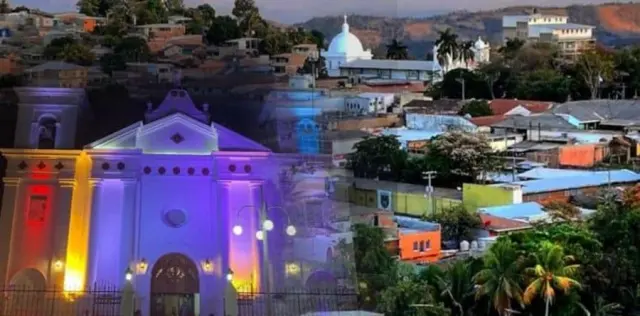
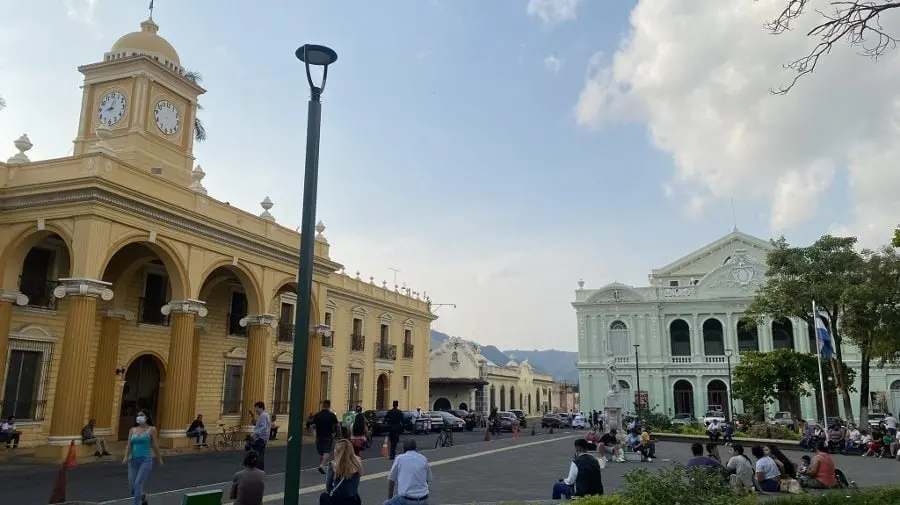
The city grew rich on coffee in the late 1800s and early 1900s, and you can see the money everywhere downtown. Parque Libertad is the anchor of the historic centre, and the buildings around it are worth the trip alone. The cathedral is a striking neo-Gothic construction started in the early twentieth century — unusual for the region — while the National Theater, opened in 1910, has European-style balconies and decorative artwork inside and still hosts performances. The Municipal Palace rounds out the square's trio of landmarks. Everything is close enough to see on foot in a morning.
Timing matters if you want the city at its liveliest. The week-long July festival for the patron saint, Our Lady of Santa Ana, fills the streets with religious processions, music and vendors. The rest of the year, daily life is the draw: markets, pupuserías, and quieter residential neighbourhoods a short walk from the centre.
Food-wise, this is classic Salvadoran territory. Pupusas are the obvious order, but the markets also serve tamales, yuca frita, soups and pastries. Given the surrounding coffee highlands, it's also a good place to drink it at the source.
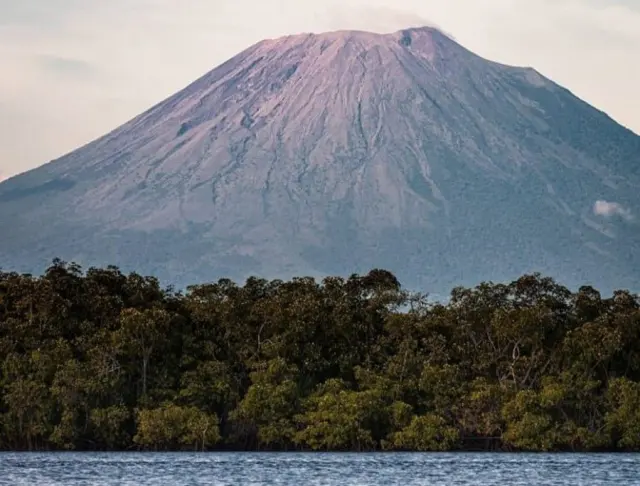
The real bonus is what sits outside the city. Santa Ana Volcano — Ilamatepec — is the tallest in El Salvador at 2,381m, and the summit hike rewards you with views of a turquoise crater lake on clear days. Check access conditions and go with guides or park staff; the rules change periodically. Lake Coatepeque, a volcanic crater lake ringed by hills and lakeside restaurants, makes an easy half-day for swimming, boat rides or a long lunch. Cerro Verde National Park adds forest trails and viewpoints, with a cooler mountain climate that's a relief from the lowland heat.
Getting there is simple: buses and the western highway connect Santa Ana with San Salvador, Sonsonate and Ahuachapán. Downtown is walkable; for the volcano, lake and national park, a private driver or organised tour saves time and hassle, though public buses do run to most towns if you're patient.
Santa Ana suits travellers who want more than a beach week — history buffs, hikers and anyone curious about the coffee trade that shaped this part of Central America. Give it two or three days: one for the city, one or two for the volcano and lake. It's one of the most rewarding stops in western El Salvador, and still refreshingly under-visited.