Typhoon Champi, described as the strongest storm of the year in the region, is bearing down on Taiwan and eastern China, and airlines are already cutting flights. Japan Airlines has pre-emptively cancelled services at nine airports between October 22 and 24, with more changes expected as the storm tracks towards southern Japan.
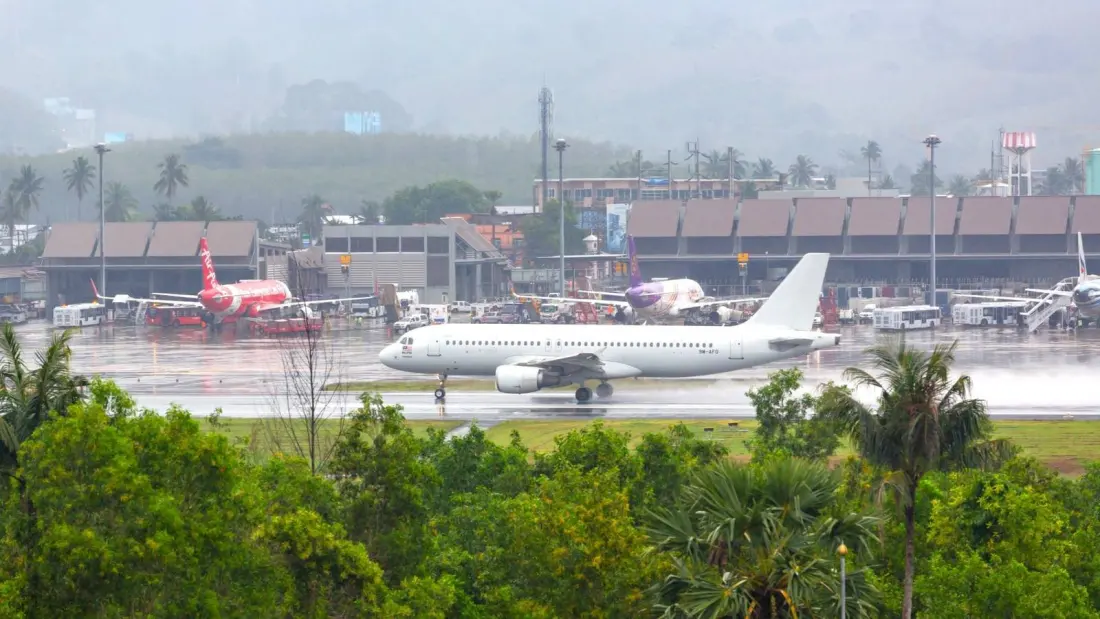
The heaviest commercial disruption is forecast for China's eastern seaboard. Airports on the likely impact list include Wenzhou Longwan, Fuzhou Changle, Ningbo Lishe, Hangzhou Xiaoshan, Shanghai Hongqiao, Shanghai Pudong and Xiamen Gaoqi. Travellers flying from Thailand to Taiwan have also been warned to expect changes until October 24.
Champi has already made itself felt further south. The eye passed within about 10 miles of Guam — enough to knock out power for half the island, though not a direct hit. Guam's airport kept operating, but the storm has since intensified to Category Five. Its scale is hard to picture: the eyewall has been described as two Mount Everests tall and 1.2 Rhode Islands wide.
The typhoon is even reaching into military operations. US and Japanese forces running the joint Keen Sword exercise in southwestern Japan — which involves 56,000 personnel — have cancelled or scaled back parts of the schedule, adjusting plans daily as forecasts shift. Commanders don't expect a major long-term impact on the exercise.
If history is a guide, expect widespread but short-lived disruption. In 2023, Typhoon Lan prompted Emirates and Japan Airlines to cut flights, and two weeks later Typhoon Saola led Hong Kong Airlines to cancel more than 30 routes to destinations including Bangkok, Tokyo, Naha, Beijing and Shanghai.
For anyone booked on flights to or from Taiwan, eastern China or southern Japan over the next few days, the practical advice is simple: check your flight status directly with the airline rather than relying on airport screens, keep an eye on rebooking options, and build flexibility into any tight connections. Japan Airlines says decisions on operations are being made based on the latest weather information, so schedules may keep changing with little notice. If your trip isn't time-critical, consider shifting travel dates until the storm has passed.