Fuel prices in the UAE are set monthly, and after a relatively steady September the question now is whether October brings another hike. The backdrop: Brent crude, the global oil benchmark, has pushed back above $100 a barrel after briefly dipping under that mark, trading well above where it sat earlier in the year. Since UAE pump prices track global oil, that upward pressure matters.
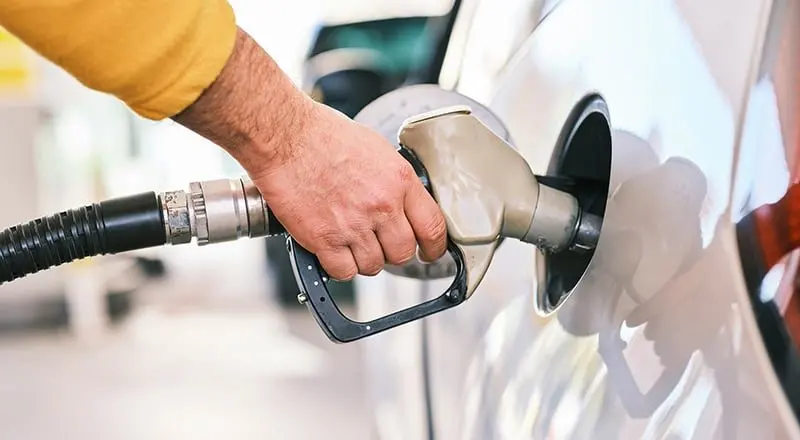
Right now, motorists are paying Dhs3.80 per litre for Super 98, Dhs3.69 for Special 95 and Dhs3.61 for E-Plus 91, with diesel at Dhs4.30. Those rates took effect on 1 September. The catch is that the UAE doesn't price fuel on a single day's oil quote — the monthly review looks at the overall trend, so where Brent averaged through September will shape October's numbers. If it stays elevated, a rise is likely. Official prices come from the UAE Fuel Price Committee at the end of September.
For anyone driving, the practical impact is fairly modest. A 5 fils per litre increase adds about Dhs3 to a full 60-litre tank, or Dhs4 on an 80-litre tank. A steeper 15 fils jump would mean Dhs9 and Dhs12 respectively. Nothing is confirmed until the committee announces.
Why should travellers care? If you're renting a car in Dubai or Abu Dhabi, fuel is one of the few predictable costs on a UAE road trip — and it's still cheap by global standards. Even at Dhs3.80 (roughly £0.80 or $1.03) a litre, filling a rental SUV costs a fraction of what it would in the UK or much of Europe. That makes self-drive itineraries — Dubai to Abu Dhabi, the Hajar Mountains, or out to Al Ain — very affordable on the fuel line. A tank costing a few dirhams more or less won't change your budget much, but it's worth knowing prices change on the first of every month, so what you pay mid-trip may differ from what you checked at home.