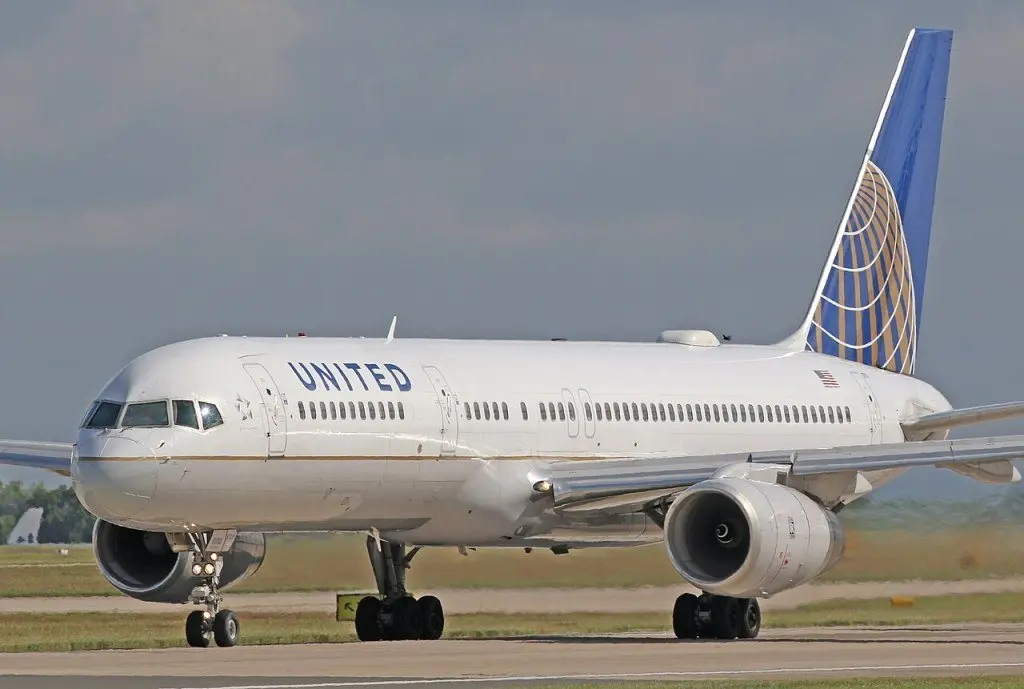
United Airlines spent Monday untangling a systemwide technology problem that touched every one of its departing flights. The carrier said flights already in the air and its United Express regional operations were unaffected, but departures across the network were hit while engineers worked on a fix. Notably, United did not connect the outage to last Friday's FAA ground stop, and no other airline reported similar issues.
The disruption comes at a rough moment for US aviation. Friday's near-five-hour FAA ground stop rippled across the weekend, driving close to 18,000 flight cancellations in total. United had actually emerged from that episode as one of the better performers, scrubbing only around 3% of its flights. By Monday evening, the airline had cancelled 21 flights and logged 418 delays, per FlightAware — a modest share of an industry-wide tally of roughly 300 cancellations and more than 8,000 delays as carriers dug out of the backlog.
The financial stakes are sizeable. Analysts at Raymond James reckon the four biggest US carriers — American, Delta, United and Southwest — could collectively take a hit of up to $1 billion from the ground stop. For travellers, that matters because recovery costs like these tend to show up later in fares and schedule decisions.
United CEO Scott Kirby has taken the fight to Washington. He met with Transportation Secretary Sean Duffy, FAA chief Bryan Bedford and lawmakers, and has been pushing for serious funding to modernise the country's air traffic control system, calling it a "call to action." His argument: repeated system failures, whether FAA-side or airline-side, point to ageing infrastructure that needs investment, not patching.
If you're flying domestically in the US in the coming weeks, a little self-protection goes a long way. Book morning departures, which are less likely to be caught in cascading delays, and keep an eye on your airline's app for rebooking options before heading to the airport. Under US rules you're entitled to a full refund if a flight is cancelled and you choose not to travel, so know your options before accepting a voucher. And when controllers or airlines announce ground stops, expect knock-on delays for a day or two afterwards as fleets and crews get back into position.
Story first reported by Skift.