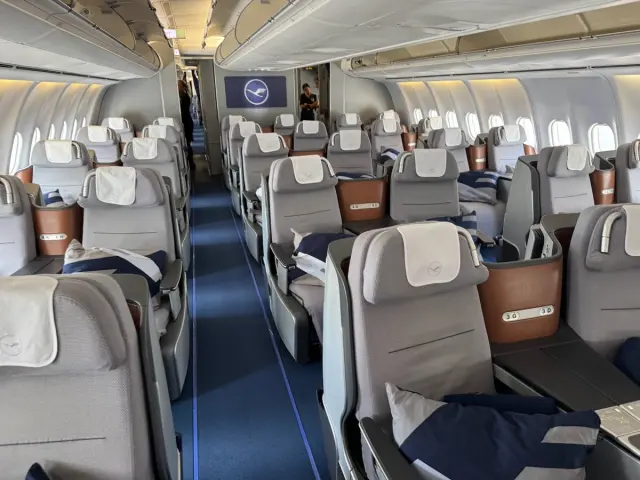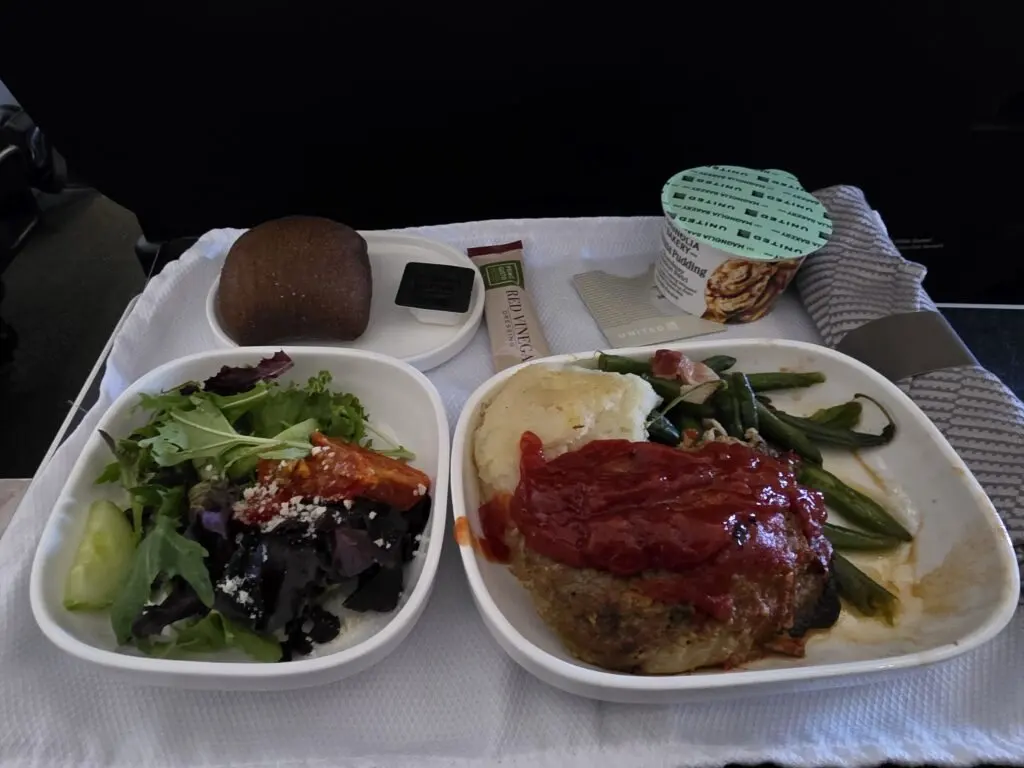
United Airlines spent $1.62 billion feeding passengers last year — roughly $11 per boarding — nudging past Delta's $9.99 per passenger even though Delta's total bill was actually bigger at $1.66 billion. The figures, pulled from Department of Transportation Form 41 filings, show how dramatically onboard catering has become a competitive battleground for US carriers.
United's spending has jumped 125% since 2019, when it was just $717 million. Adjusted for inflation, that's a real increase of about 43% per passenger, versus 22% at Delta and a modest 5% at American. United's 2025 earnings release confirmed the push: 25% more food spending, $85 million already invested in its food and beverage programme, and another $45 million earmarked for 2026.
But averages hide a lot. United's flights average around 1,745 miles per boarding compared with Delta's 1,410, so more passengers are getting full meals and second services on long-haul routes. Break the numbers down by region and Delta actually leads on domestic spending ($8.06 per boarding versus United's $6.36), while United dominates on Atlantic routes ($39.10) and Pacific routes ($43.38). Per 1,000 passenger-miles, Delta still tops the table at $7.08.
Elsewhere, the league table makes for fun reading. Alaska Airlines spends only $6.57 per boarding yet has a reputation for serving better food than the big three — a point the analysis makes repeatedly. JetBlue has more than doubled its per-passenger spend since 2019 to $4.39. At the bottom, Southwest's $0.45 reflects its snacks-and-drinks model, while Frontier's catering line for 2025 reportedly totalled just $32,835 — essentially nothing.
Foreign carriers disclose differently but tell a similar story of rising costs. Emirates' catering-related spending climbed 47% since 2019 to $24.07 per passenger, Turkish Airlines' passenger services and catering rose 51% to $12.70, and Singapore Airlines' inflight meal spend grew 23%.
There's also a surprise for lounge regulars: airport contracts suggest lounge food budgets are smaller than you'd guess. The Club's Seattle lounges reportedly spent just $3.54 per guest on food and drink, and a Chase lounge proposal for LAX budgeted $8.40 — food and beverage made up only about one-eighth of a $20.33 million operating budget, with staffing costing three times as much. The good news: modest budgets can still produce good food when not every guest eats much.
For travellers, this matters when choosing who to fly. United is clearly investing in onboard catering, Delta remains the domestic leader per passenger, and Alaska punches well above its spending weight. Just remember these averages blend cabins — your economy tray and a business class dinner are being pooled into the same figure.