Six hours of relentless rain on Sunday swamped parts of western Azuay Province in southern Ecuador, drowning crops, killing livestock and knocking out the main road link between Cuenca and Guayaquil.
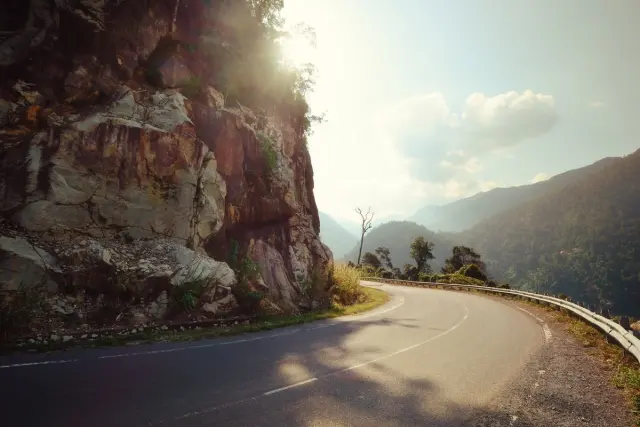
The Cuenca–Molleturo–El Empalme highway, the principal route connecting the country's third city with its biggest port, was shut for several hours after downpours began Saturday night. Crews worked into the evening clearing landslides from rural roads across the area.
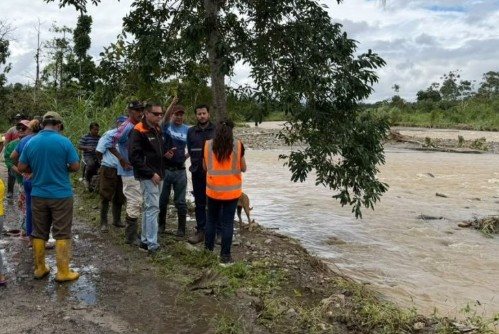
The damage is concentrated in the lower elevations of Molleturo, a rural parish within Cuenca canton, and in the neighbouring Camilo Ponce Enríquez canton. Carlos Morales, who heads the San Felipe commune in Molleturo, said around 15 communities had been hit hard — and that the timing caught everyone off guard. September is normally the dry season, he noted, and locals had never seen flooding like it at this time of year. Along the overflowing Río Estero Piedra, cocoa, banana and passion fruit plantations are underwater, and in places the flooding is so severe farmers cannot even reach their fields on foot.
In Camilo Ponce Enríquez, the Ríos Blanco and Frío also burst their banks, damaging crops and closing roads near the communities of Luz and Guía.
Elsewhere in the country, the picture was worse still. Esmeraldas Province on the northern coast logged 133 weather emergencies in a single day, according to the National Secretariat of Risk Management, with the Pambil, Cayapas and Onzole rivers all above flood stage and homes inundated. Back in Azuay, the National Meteorology Institute (Inamhi) recorded up to eight millimetres of rain in Cuenca itself — the first significant rainfall in the highlands in more than a month. Forecasters expected lighter rain on Monday.
For travellers, the key takeaway is that mountain and coastal road conditions in Ecuador can change fast, even in the dry season. The Molleturo route is the standard drive between Cuenca and Guayaquil, so anyone planning that transfer over the coming days should check road status before setting out and build in extra time. The unseasonal storm is also a reminder that climate patterns are shifting: pack a rain layer even when visiting Ecuador's highlands in months traditionally considered dry, and keep an eye on advisories from Inamhi and the risk management secretariat if you're heading into rural parishes or river valleys.