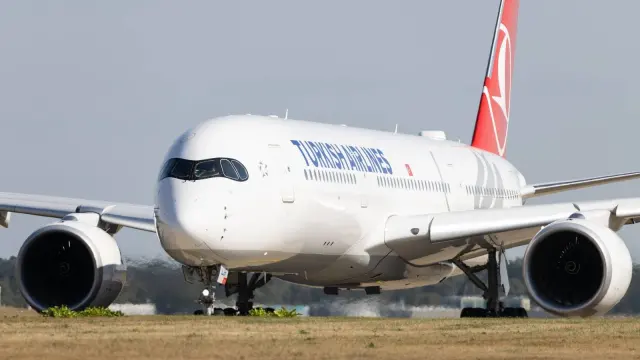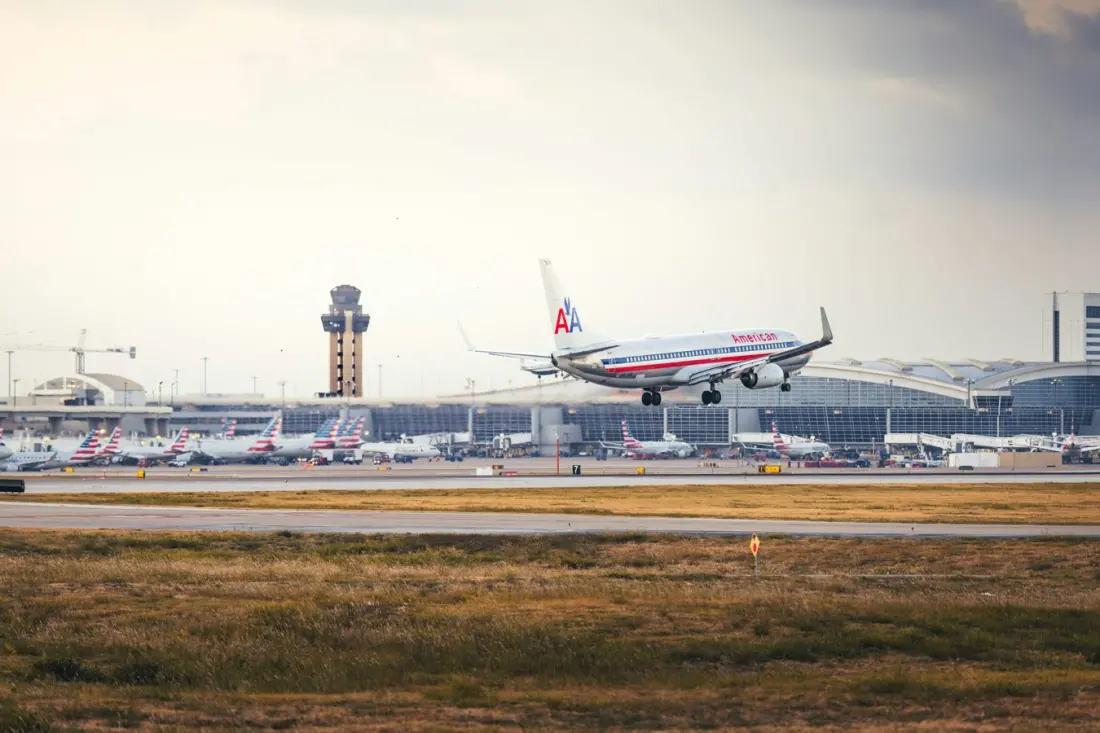
Flying in the United States is about to get a technological brain transplant. From Monday, 21 September 2026, the Federal Aviation Administration begins rolling out SMART — short for Strategic Management of Airspace Routes and Trajectories — an AI system designed to cut delays and cancellations across American skies.
The system comes via a 12-year contract worth $875 million (roughly €762 million) with Air Space Intelligence, and it supports both the FAA and airlines by analysing flight schedules against weather data, airport capacity and operational constraints. The idea is simple: spot congestion before it happens and reroute or re-sequence flights to keep things moving. Eventually, the FAA wants SMART to manage arrival intervals and plan schedules up to 45 days in advance — a power shift, since airlines currently fight for prime slots themselves.
The rollout won't be the sweeping launch originally planned. After officials at three airlines pushed for a more cautious approach — described as "start, crawl, walk, run" — the system starts small at the three airports serving Washington DC: Reagan National, Dulles and Baltimore/Washington International. A 90-day trial there will precede a national expansion, with full coverage expected by the end of 2028. A new central FAA office at the Department of Transportation headquarters in DC accompanies the launch.
Industry response has been broadly positive. Airlines for America called it one of the boldest FAA initiatives in decades, and FAA Administrator Bryan Bedford has been blunt about the motivation: current traffic management is "chaotic," he said, and should be controlled by the FAA rather than left to airlines scheduling however they please.
The context matters. US aviation has weathered a rough stretch — pandemic-era controller layoffs never fully reversed, government shutdowns left federal staff unpaid, severe weather snarled operations, Boeing safety questions lingered, and a string of near-misses raised alarms. That combination pushed the current administration towards centralising how the skies are run.
One reassurance for nervous flyers: officials insist SMART is a support tool, not a replacement for human air traffic controllers. The AI crunches data and suggests strategies; people still make the calls.
For travellers, the takeaway is timing. Nothing changes overnight, and the early rollout only touches the DC airports. But if you fly domestically in the US regularly, the promise is fewer weather-snarled meltdowns and smoother recovery when things do go wrong — assuming the 2028 deadline holds. Watch this space, and if your travel plans run through Washington's airports in late 2026, you're in the very first test group. — Travel Tomorrow