The air alert app on a phone in Ukraine speaks with the voice of Luke Skywalker. Actor Mark Hamill, an ambassador for the country's UNITED24 fundraising platform since 2022, recorded the English-language notifications after saying Ukraine's resistance reminded him of Star Wars — rebels against a far stronger empire. When the threat passes, his Jedi baritone delivers the all-clear: "The air alert is over — May the Force be with you." It's a small, oddly comforting detail in a country where the alerts are anything but ordinary.
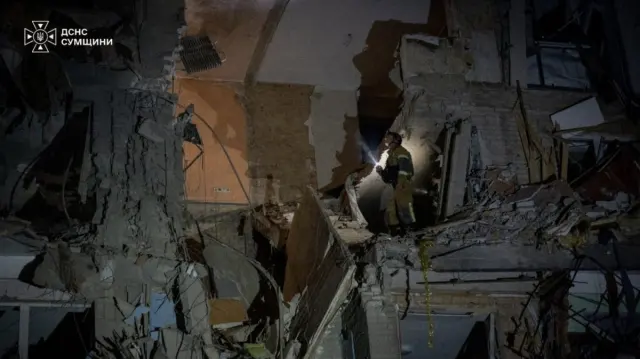
That's the reality described by a writer for Adventure.com who spent time in Kyiv in July, staying at the Hotel Ukraine. On his first night, a siren sounded — first on his phone, then from speakers atop the building itself. Having not yet packed a go-bag, he ran straight to his photographer's room, waited what felt like an eternity, then moved to kick the door down just as it opened. They didn't make it to the shelter before explosions began around them; the windows shook as the writer contemplated the very real risk of dying from shrapnel, as many Ukrainians have.
July was, by his account, the deadliest month for civilians since Russia's full-scale invasion began in 2022. Russian forces had sharply increased their use of ballistic missiles aimed at civilian targets — weapons that can't be picked up by detection systems until the final moments, leaving roughly 90 seconds of warning. That's barely enough time to reach a stairwell, let alone a proper shelter. The sirens themselves haven't been modernised either: they use the same whirring tone heard in Second World War films.
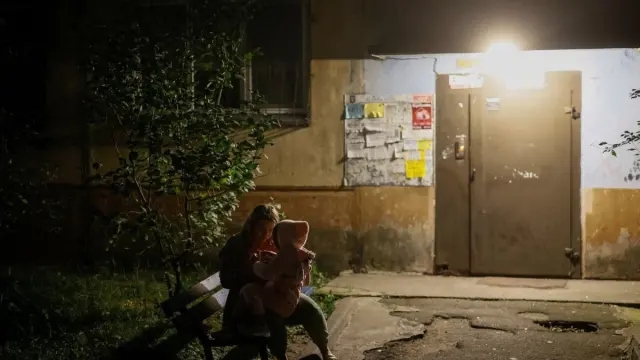
And yet the framing of the piece is not despair but defiance — the title says it plainly: Ukrainians are refusing to let bombs dictate their lives. Cafés, hotels and daily routines continue to operate between alerts. People sleep through sirens that would terrify visitors. For a travel audience, the story is less a call to book a trip than a window into a country where tourism infrastructure, hospitality workers and ordinary life persist under extraordinary pressure.
Why does this matter to travellers? First, it's an honest picture of what a visit to Ukraine currently involves: air alerts with minute-long warnings, hotel shelters, and the need for a packed bag by your bed. Second, it highlights how visitors can engage respectfully — spending money in businesses that keep operating, and supporting initiatives like UNITED24 that fund the country's defence and recovery. And third, it documents a moment worth remembering: a hospitality sector and a capital city carrying on, with a Hollywood voice helping talk them through the night.
Anyone considering travel to Ukraine right now should check their government's current travel advisories first — several Western governments advise against all travel to the country. But as this account shows, Ukrainians themselves have made a different choice: to keep living, and keep hosting, regardless.