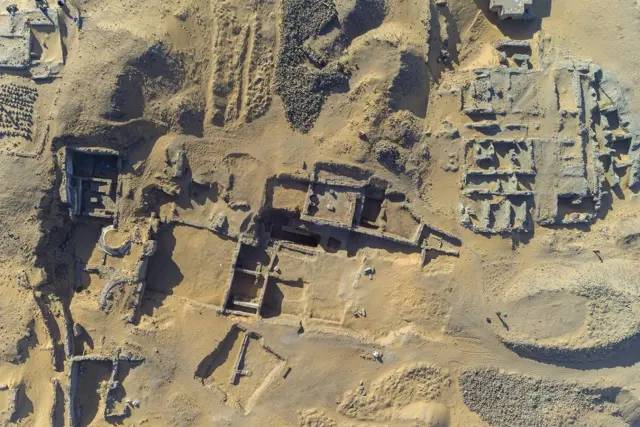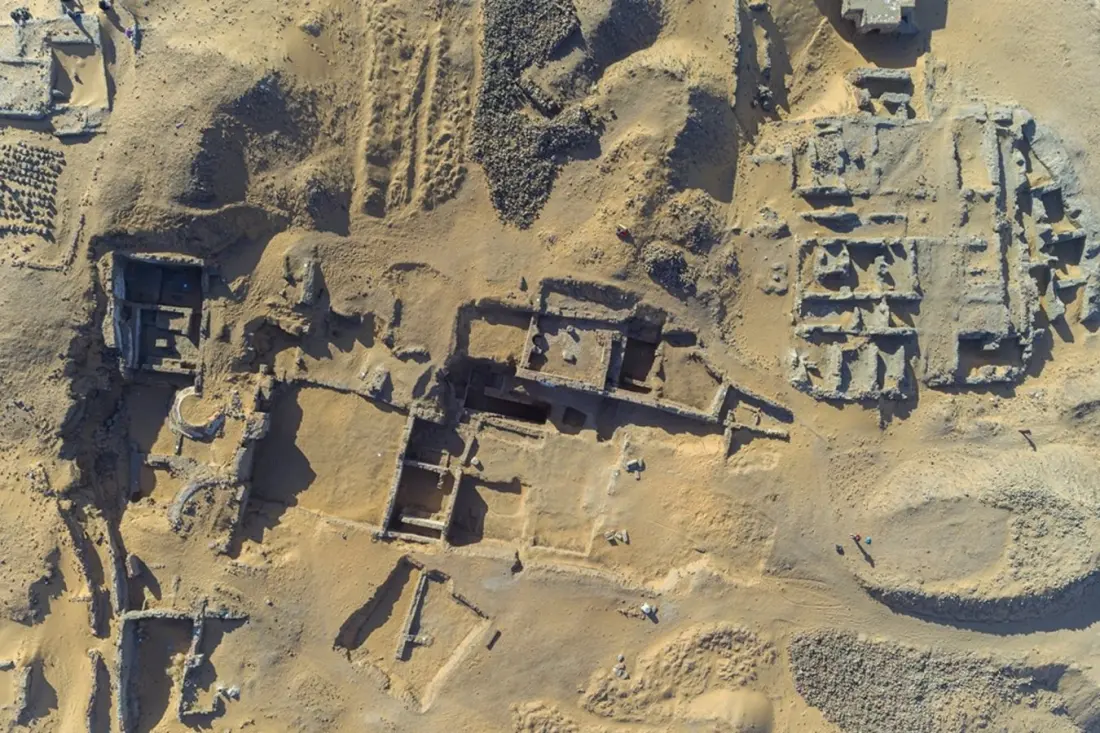
In the desert of northern Sudan, a building the size of a small airport hangar is slowly coming back into view. Archaeologists working at Old Dongola have for the first time reached the original floor of the Great Church of Jesus, a medieval cathedral measuring roughly 47 by 57 metres and estimated to have once stood about 21 metres tall. Walls near its monumental staircase still rise 11 metres — an extraordinary survival for a structure around a thousand years old.
The excavation is led by Professor Artur Obłuski of the University of Warsaw's Polish Centre of Mediterranean Archaeology, working with Sudan's National Corporation for Antiquities and Museums. The team confirmed the building's identity in 2021, but the cathedral's massive walls mean they have to dig deep before reaching its original levels; the staircase remains the only spot where the floor has been exposed. Newly found buttresses around the apse hint at the ambition of the design, and Obłuski suggests the church may have been a trendsetter for religious architecture in Nubia, in the way Hagia Sophia was for the wider Byzantine world. If that holds up, historians may also need to rethink which of Dongola's churches was the true cathedral.
There's a second discovery too. An upper-floor church in an adjoining structure survives only as about a metre of wall, but the debris has yielded six shelving units' worth of painted plaster fragments, plus Greek inscriptions including biblical canticles — among them part of the Prayer of Hannah, written in a fine book hand with letters barely half a centimetre tall. These are the first fragments of biblical odes found at the site, which until now had produced mainly Psalm references.
The context is what makes Old Dongola compelling. Known historically as Tungul, it was the capital of Makuria, a Christian Nubian kingdom that controlled the Nile valley from roughly the sixth to the 14th century, and the seat of its church. Its buildings, paintings and Greek and Old Nubian inscriptions show a kingdom plugged into Byzantine and Mediterranean traditions while developing a distinct style of its own. The royal court left in 1365, and the desert preserved what followed. Work continues ahead of the next season — and conservation came first after autumn 2024 brought the site's worst flooding since 1988, damaging protective roofs over the remains.
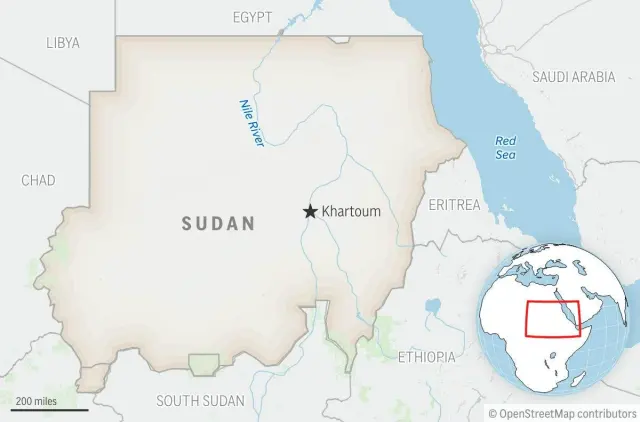
For travellers, this is a rare chance to watch a major medieval African site being rewritten in real time. Sudan's archaeology is far less visited than Egypt's, and Old Dongola sits along the Nile north of Khartoum amid pyramids, forts and desert temples that see a fraction of the crowds. Note that Sudan has been affected by severe conflict since 2023, so any visit currently hinges on security conditions and official travel advice. For now, the excavations themselves are the story to follow — a reminder that one of Africa's great Christian kingdoms built on a scale most visitors have never imagined.