Vietnam has moved up to 52nd place out of 110 economies in the World Economic Forum's 2026 Travel & Tourism Development Index, climbing seven spots from 2024 and eleven from the last pre-pandemic edition in 2019. Its overall score rose 6.1% to 4.15 on the index's 1-7 scale — a bigger gain than any of its Southeast Asian neighbours.
The TTDI isn't a visitor-numbers leaderboard. It measures the underlying conditions that make a destination work for travellers: safety, prices, infrastructure, natural and cultural assets, and sustainability. Vietnam scored well exactly where tourists tend to notice. Price competitiveness ranked 7th in the world (up eight places), and safety and security came 9th after jumping 18 spots — factors Vietnam's tourism authority credits to the country's social stability in a jittery global climate.
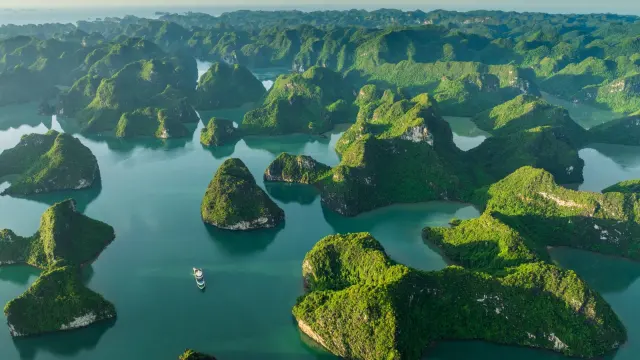
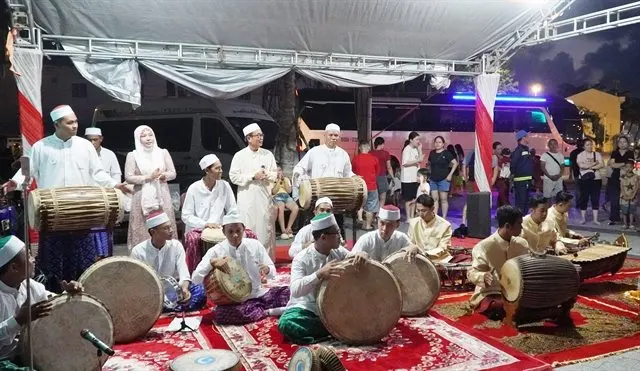
Beyond those two standouts, seven Vietnamese pillars now sit among the world's top 35, up from four in 2024. Cultural resources rank 21st, natural resources 22nd, travel demand sustainability 27th, non-leisure resources 30th and air transport infrastructure 34th. Environmental sustainability leapt 18 places, and travel demand sustainability made the biggest jump of all, climbing 24 spots. In total, 13 of the country's 17 measured pillars land in the upper-middle tier or better.
The gaps are worth knowing too, since they hint at what's still developing: tourism infrastructure and services, environmental sustainability, travel prioritisation, and tourism's socio-economic impact all rank in the bottom half. Within the region, Vietnam sits fifth behind Singapore (13th), Indonesia (23rd), Malaysia (26th) and Thailand (38th).
The ranking reflects momentum that's already visible on the ground. Vietnam welcomed an estimated 17.7 million international visitors in the first nine months of 2026, up 14.5% year-on-year — its strongest nine-month figure in recent years. September alone drew 1.77 million arrivals, the best for that month in five years, with sea arrivals more than tripling.
For travellers, this is a useful signal rather than a trophy. Vietnam remains one of Asia's best-value destinations with a strong safety record, and improvements to airports, ports and ground transport are slowly making multi-stop itineraries — Hanoi to Hội An to Ho Chi Minh City, for example — easier to pull off. Expect things to feel busy and fast-improving rather than polished: the infrastructure lag means some smaller towns still have basic facilities, but that's part of the appeal for many. If you've been waiting for a sign to book, a country trending up both in rankings and arrivals won't stay quiet for long.