Thinking about teaching English or lecturing in Vietnam? A new government decree will slightly change the hiring maths from January 2027 — and it's friendlier to newcomers than some headlines suggest.
Under Decree No. 411/2026/ND-CP, which takes effect on January 15, 2027, Vietnamese schools, universities and research institutions will give hiring preference to foreign educators who can demonstrate Vietnamese language skills and some understanding of local culture, customs and traditions. The key word is preference, not requirement. If you don't speak a word of Vietnamese, you can still be hired as long as you meet the professional qualifications for the job.
The bar for the preference itself is quite low. Article 4 of the decree points to Level 2 of Vietnam's six-level proficiency framework for foreigners — roughly elementary level, comparable to A2 on the European CEFR scale. That's conversational basics rather than fluency, and it can be proven with an official Vietnamese language certificate. Candidates who also show cultural awareness get an extra edge.
The rules apply to foreigners working across educational management, teaching, scientific research and academic exchange. They also tidy up a definition that matters in the recruitment world: a "native-speaking" foreign-language teacher is now formally someone teaching a language that is official in their own country of citizenship — and having a high school diploma as part of that definition doesn't mean other teaching qualifications are waived.
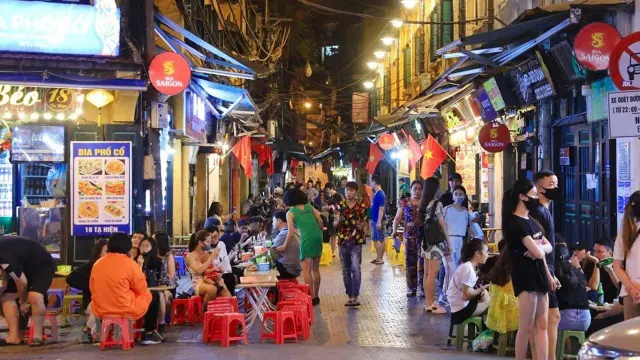
So why should this matter to anyone eyeing a move to Southeast Asia? Vietnam has become one of the region's busiest markets for foreign educators, driven by huge demand for English instruction, a fast-growing international school sector and expanding university partnerships. Thousands of expat teachers, lecturers and researchers already call cities like Ho Chi Minh City and Hanoi home, and the government is clearly signalling that it values long-term integration over fly-in, fly-out staffing.
The practical takeaway: learning survival Vietnamese won't just help you order pho or negotiate with a xe om driver. From early 2027 it could genuinely differentiate your job application — and day to day, even elementary language skills tend to smooth relationships with students, parents and local colleagues. For employers, meanwhile, the decree adds a consideration in hiring without excluding otherwise qualified foreign candidates.
In short, Vietnamese is not becoming a work permit hurdle for foreign teachers. But for anyone planning a multi-year education career in the country, a bit of language study before you arrive looks like a smart investment — one that the Vietnamese government will now formally reward.