Ecuador keeps catching its most wanted men, yet the country remains one of the most violent in the Americas. President Daniel Noboa's government recently scored another headline win with the extradition from Spain of Los Tiguerones boss William Alcívar, following the arrests of Los Choneros leader Adolfo 'Fito' Macías, Los Lobos chief Wilmer Chavarría, and Julio 'Negro Tulio' Martínez. But analysts quoted by the Associated Press say the crackdown hasn't put a dent in the violence — and that matters if you're planning a trip there.
The numbers are stark. Over nearly six years Ecuador has become one of the deadliest countries in the hemisphere, with a homicide rate of 50.9 per 100,000 people and 9,216 killings recorded last year — the highest in its history. The reason the arrests aren't working, experts say, is fragmentation: remove a boss and the group splits into smaller factions fighting over the same drug routes. What authorities once counted as 22 gangs with around 18,000 members has grown into roughly 50 groups with 80,000, some operating covertly through finance and legitimate commerce.
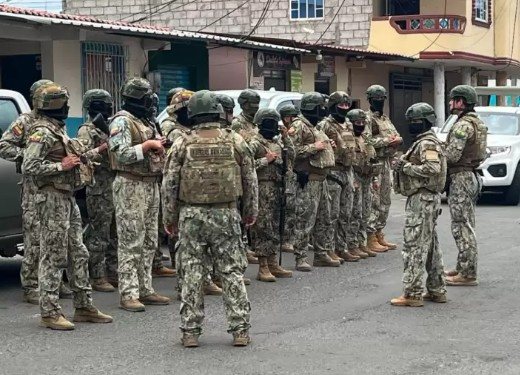
Geography explains a lot of it. Ecuador sits between Colombia and Peru, and international organisations estimate 70% of the world's cocaine passes through the country. Gangs fight over those corridors, ports and prisons — which became command centres until the military took them over. Noboa declared an internal armed conflict in January 2024, putting soldiers on the streets alongside police, and Ecuador now receives U.S. support as part of the 'Shield of the Americas' coalition, plus help from Italy and Israel.
There are caveats travellers should weigh. Security analysts say the military-heavy approach isn't enough, and that Ecuador needs investment in education and social services in vulnerable areas, plus a justice system that actually prosecutes. The campaign has also drawn human rights complaints — 147 allegations of security-force abuse in the first half of this year alone, and U.N. concern over dozens of reported enforced disappearances. Meanwhile, analysts warn U.S. cooperation may shrink under changing politics in Washington, leaving Ecuador to fund its own security push.
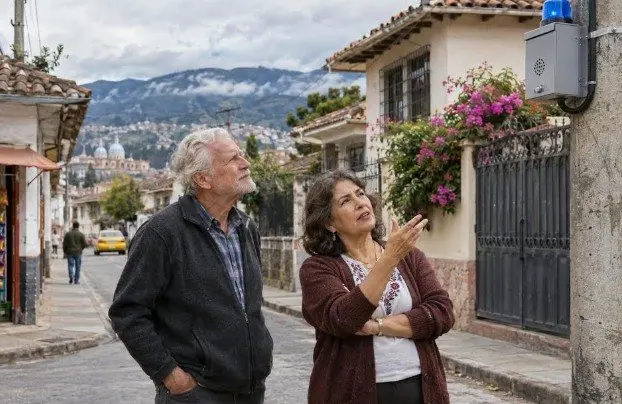
For visitors, the practical read is this: Ecuador remains open for business, and tourism hubs like Cuenca, Quito's old town and the Galápagos operate largely outside the gang conflict, which is concentrated around ports, prisons and border zones. But the violence is real and unpredictable, so stay updated on your government's travel advisories, avoid border areas near Colombia, keep a low profile, and skip any political or protest gatherings. Anyone with trips booked should watch developments rather than cancel outright — but this is not a country where you can assume last year's safety picture still applies.