Winter travel to Canada (or anywhere the mercury genuinely drops) lives or dies on one thing: what you're wearing. A new piece from Explore Magazine, Canada's longest-running outdoor title, distils a lifetime of cold-weather experience into practical advice for staying warm outside — and while the full gear specifics live in the original article, the core philosophy is one every winter traveller should know before packing.
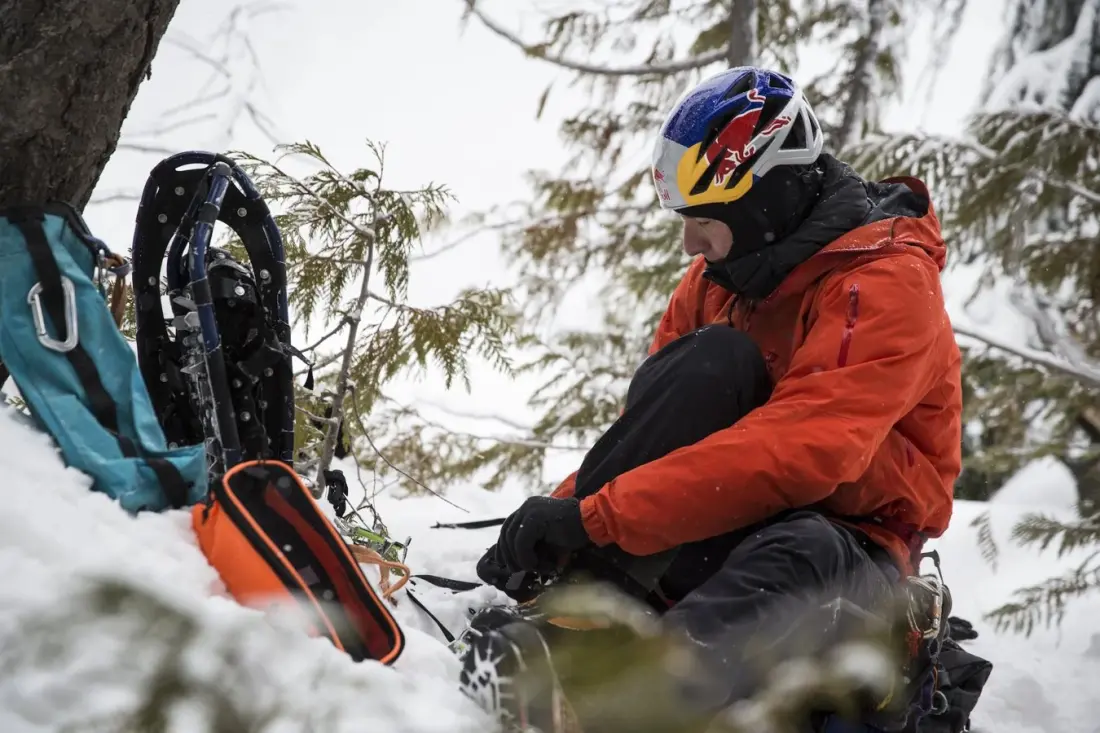
The fundamental idea is layering. Rather than one bulky jacket, you wear a moisture-wicking base layer against your skin, an insulating mid-layer (fleece or down) for warmth, and a wind- and water-resistant outer shell. Air trapped between layers is what actually keeps you warm, and the system lets you adjust as you move — peel off a layer when hiking, add one back when you stop. Cotton is the enemy: once it gets damp with sweat or snow, it chills you fast. Synthetics or merino wool are the go-to for anything worn next to skin.
Extremities matter more than most visitors expect. Heat loss from an uncovered head is real, and numb fingers or toes will end a day outdoors quicker than cold legs. That means proper insulated gloves or mitts (mitts are warmer), a warm hat, and boots rated for the temperatures you'll actually face, ideally with good grip for ice. Wool socks — with a spare pair stashed in your bag — beat thin cotton ones every time.
The other lesson from people who live with real winters: don't overdress to the point of sweating. Damp clothing loses most of its insulating power, and it's often the sweat-soaked hiker, not the underdressed one, who ends up cold. On active days, start slightly cool and warm up as you move.
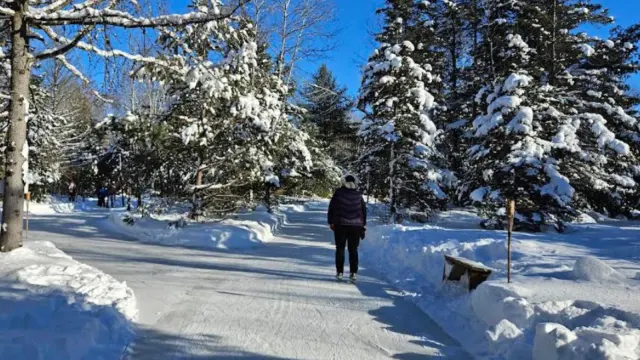
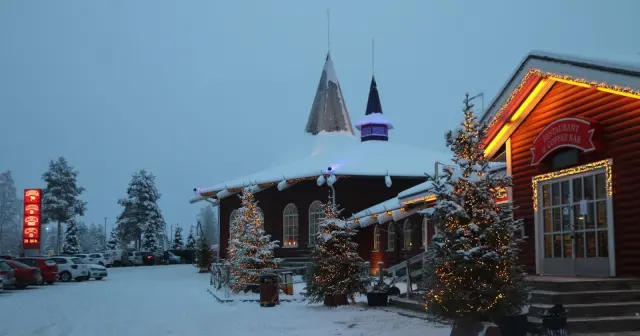
Why does this matter to a traveller? Because visitors from milder climates routinely misjudge northern winters. A stylish winter coat designed for a London or New York cold snap is not the same as kit for -20°C in Alberta or a windy day in the Rockies. Buy or borrow proper gear before you go, plan for temperatures colder than the forecast suggests (wind chill can drop it dramatically), and remember that cities like Montreal, Ottawa and Winnipeg stay very walkable in winter — if you're dressed for it. Get this right, and a Canadian winter becomes a genuine pleasure: frozen waterfalls, aurora nights and snowshoe trails are all on the table. Get it wrong, and you'll spend the trip darting between indoors.